




[ad_1]

The exhaustion of pent-up demand at Walt Disney World has been a sizzling matter for months, with potential impacts to reductions, crowd ranges, return of Dining Plan, and pullback on nickel & diming and worth will increase. Now, shopper spending is beginning to gradual and the engine of the U.S. economic system is stalling. This publish covers what’s occurring within the larger image and what which means for Walt Disney World.
In half, this isn’t a brand new dialog. We printed What Does Walt Disney World Do During a Recession? final summer time when the nation entered a technical recession. Even past that, each single new low cost launch has included dialogue about pent-up demand truly fizzling out, inflation on requirements leading to reductions to discretionary spending, and depleted family financial savings and rising debt ranges.
Our prediction has been that customers would return to being extra cost-conscious and worth delicate, and issues will normalize at Walt Disney World, as these dynamics play out. Our quick and candy reply as to what which means on this context is that Walt Disney World will find yourself providing higher reductions, bringing again acquainted fan favorites. What follows is the why of that, beginning with the broader financial setting.
In quick, shopper spending is sputtering. Retail gross sales fell 1.1% in December, reflecting tepid shopper demand even in the course of the busy vacation buying season. That wasn’t an remoted prevalence or anomaly–retail purchases have fallen in three of the previous 4 months. That adopted consecutive quarters throughout which retailers like Walmart and Target raised crimson flags about weaker forward-looking demand.
Spending on providers was flat in December when adjusted for inflation, matching November. Services outlays had been supported by housing and utilities, air journey, and recreation–as Americans minimize spending at eating places and bars. This resulted within the worst month-to-month studying in practically a yr. Consumers pushed again on worth hikes specifically, which is a constructive for preventing inflation.

This is a pointy distinction from the prior year-plus when Americans lifted the economic system out of its pandemic downturn beginning within the second half of 2020. That helped the United States keep away from what many economists anxious can be a protracted recession, as shopper spending on items–adopted by providers–fueled financial progress.
Even as inflation accelerated, Americans stored spending within the final yr. Consumer spending energy was aided by authorities stimulus, flush financial savings accounts, and low-cost credit score. Despite four-decade-high inflation final yr, shoppers continued on undeterred. Americans truly outspent inflation–by way of the primary 9 months of 2022, shopper spending progress exceeded worth will increase by about 2%.
That tides have turned, and spending is slowing whereas inflation stays elevated–partially as a result of inflation remains to be operating sizzling. In December, the share of month-to-month earnings Americans put aside for financial savings was solely 3.4%, down from 7.5% a yr earlier and from a report excessive in Spring 2020 when the financial savings fee spiked to over 30%. Back then, many Americans had been caught at dwelling and never spending on journey, leisure, eating places, or different providers, bolstering that family financial savings fee to report ranges.
For the sake of a extra apples to apples comparability, the financial savings fee was 8.8% again in 2019. It has been under that for over a yr at this level, and continues to lower.
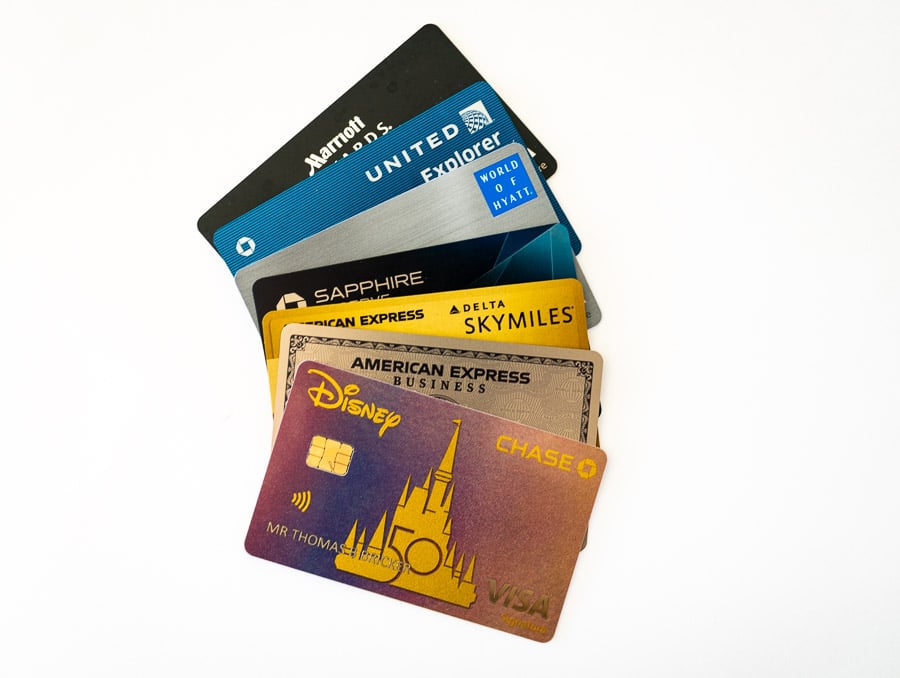
As the private financial savings fee sank close to an all-time low, bank card balances jumped 15% yr over yr, in keeping with the most recent quarterly report from the Federal Reserve Bank of New York. “With prices more than 8% higher than they were a year ago, it is perhaps unsurprising that balances are increasing,” Fed researchers wrote.
Credit card balances had been up $38 billion from the earlier quarter, the most important in additional than twenty years. According to the Fed, the true check will probably be whether or not debtors will have the ability to proceed to make the funds on their bank cards. Already, delinquency charges have begun growing–albeit from the unusually low ranges in the course of the pandemic as family financial savings soared (see above).
On prime of this, fewer credit score cardholders are paying off their balances in full every month. Approximately 46% now carry bank card debt from month to month, up from 39% final yr.

The common bank card rate of interest is now 19.6%, which is an all-time excessive. This comes after rising on the steepest annual tempo ever, in keeping with the Federal Reserve’s rate of interest hikes to fight inflation. Although the quantity of fee hikes is prone to decelerate, this development is unlikely to reverse anytime quickly.
The Federal Reserve simply raised the central financial institution’s benchmark fee, efficient February 2, 2023. That brings the speed to between 4.5% and 4.75%, from close to zero at the beginning of final yr. The Fed’s borrowing fee is projected to rise one other three-quarters of a proportion level over the course of 2023, hitting a 17-year excessive of between 5.00% and 5.25% by the tip of the yr. (Assuming no fee cuts later within the yr, which some analysts are already forecasting within the second half.)
With the Federal Reserve’s dedication to maintain elevating its benchmark fee till progress is made in preventing inflation, bank card rates of interest will simply be over 20% within the coming months. This will solely exacerbate family debt ranges and additional cut back financial savings, particularly if Americans proceed having to spend extra on requirements like groceries.
Consumer spending accounts for roughly 70% of the economic system. A downshifting shopper is the important thing motive that economists put the likelihood of a recession within the subsequent 12 months someplace between 60% and 70%. However, many economists consider that the U.S. may keep away from a recession totally if spending patterns stabilize and the Fed is ready to engineer a tender touchdown.
The will increase are steadily slowing down shopper spending, however it may take months earlier than the Fed’s purpose of cooling the economic system is absolutely realized. That’s as a result of there’s a point of lag between fee hikes and the curbing of financial exercise and reducing inflation. Many traders assume the lag is lengthy, which is exactly why they predict the Fed will minimize charges later this yr and thru 2024. These traders consider the Fed has already raised charges to ranges prone to trigger a recession.

There are different variables at play. Although unemployment is trending at a half-century low, massive firms together with Goldman Sachs, Microsoft, Meta/Facebook, Twitter, Netflix, Amazon, and motr have culled their workforces to chop prices. Layoffs aren’t the one technique of lowering staffing–others, like Disney, have instituted hiring freezes or issued return to workplace mandates.
With that stated, jobs have remained ample and wages have continued to rise. Unemployment was solely 3.5% in December, and hourly wages had been up 4.6% year-over-year. Equally as vital, there have been are over 10 million unfilled jobs and extra open positions than unemployed people, in keeping with the Labor Department. Even with white collar layoffs, this dynamic is unlikely to alter as Baby Boomers proceed leaving the workforce.
That’s to not paint an overly-rosy image of the labor market and staff’ energy. The Labor Department additionally experiences indicators of weak point, together with employers dropping momentary staff following the vacations at a faster-than-normal fee, individuals who lose their jobs taking longer to search out new ones, and the typical variety of hours labored per week declining for 2 straight months.
Additionally, tens of hundreds of thousands of Americans are set to start out or resume making funds on scholar loans later this yr. Payments have been frozen since March 2020, and are scheduled to start once more 60 days after litigation round debt cancellation is resolved or this system is applied.
Many taxpayers will get smaller refunds once they file their returns within the coming months as a result of Congress didn’t prolong breaks put in place in the course of the pandemic. Of explicit relevance is the expiration of the improved little one tax credit score, which may have outsized affect on Walt Disney World’s core demographic of households with youngsters.
To that time, let’s flip to that–in spite of everything, it is a Disney weblog and never Bloomberg. Let’s begin with shopper spending, since that’s the crux of this dialog. The surge in financial savings plus subsequent stimulus and rise in shopper spending is largely what drove the ~40% will increase in per visitor spending at Walt Disney World over the past year-plus.
One survey discovered many households are keen to place at the least a few of their Disney trip on a bank card, with 18% of respondents stating that they went into debt to pay for his or her Walt Disney World trip final yr. Parents with kids youthful than 18 are the most definitely to incur debt for Walt Disney World, at 30%.
The diploma to which debt is incurred for Walt Disney World holidays is definitely under common for all classes of spending. As a complete, roughly 35% of all U.S. adults carry bank card debt from month to month. While there’s a qualitative distinction between incurring debt to purchase requirements like eggs versus luxuries like Starcruiser, it’s nonetheless considerably stunning that the quantity is that low for Walt Disney World journeys, particularly.

More than anything, guests under-budgeted for meals prices when racking up debt at Disney. While many shoppers anticipated to go incur bank card debt forward of their Walt Disney World trip, shock bills accounted for the majority of that.
Respondents who’ve gone into debt to pay for Walt Disney World journeys indicated that meals & beverage prices had been the class that was most definitely to be costlier than anticipated, at 56%. (This will surely assist clarify the recognition of the Disney Dining Plan from a budgeting and predictability perspective!)
On a constructive observe, 71% of Walt Disney World guests who went into debt say they don’t remorse it. Moreover, 80% of those that took on debt to fund the holiday say they’ll pay it off in full in 6 months or much less.
Interestingly, six-figure earners are extra seemingly to enter Disney debt than some other earnings group. Of these incomes $100,000 or extra per yr, 26% went into debt. Disney-goers incomes between $35,000 and $49,999 had been the least seemingly to enter debt, at simply 12%. Most guests reported saving for his or her journey, which ought to assist explain-away this obvious discrepancy.
On a tangential observe, different latest polling has proven that Americans with annual incomes at or under $75,000 are the most definitely phase to go to Walt Disney World. Those making between $150,000 and $199,999 had been least prone to present curiosity in a Disney trip.
Time and time once more, we’ve rebutted the common-but-erroneous notion that Walt Disney World is now “only for the wealthy.” To the opposite, the parks are reliant on the center class, and that demographic being keen and in a position to spend the ever-increasing quantity {that a} Walt Disney World trip prices.
To ensure, there are rich Disney followers and informal guests. However, there usually are not sufficient of them to fill the parks and resorts every day. It’s gotta be the center class, splurging or going into debt. These shoppers are actually the one manner Walt Disney World can keep in enterprise. The higher class can not maintain the parks and resorts, and positively usually are not those reserving the tens of 1000’s of motel-style rooms with exterior hallways on the Moderate and Value Resorts.

Not that this makes the nonstop worth will increase any higher, however there’s a elementary distinction in trying to cost out the center class versus trying to extract extra discretionary earnings from them. In the previous case, the purpose is to chase a unique demographic; within the latter case, it’s to pursue the identical one however stress them to spend extra.
This is important for the aim of this publish as a result of, if Walt Disney World had been focusing on the rich and ignoring the center class, this complete dialogue arguably wouldn’t matter. While the rich have undoubtedly taken hits to their funding portfolios over the last yr, they’re much less prone to really feel the squeeze of inflation or increased rates of interest on bank cards. Their financial savings ranges have fallen, however to not the purpose that they’re residing paycheck-to-paycheck.

Regardless, eventually, one thing’s gotta give. Last yr, the massive development was shopper spending shifting from items to providers. That has been evident within the aforementioned shopper spending numbers for a number of months. At first, that benefitted Walt Disney World, because it noticed Americans making up for misplaced time and spending on accommodations, airfare, eating, and different elements of journey & leisure.
Now, the turning level is beginning to come for the providers industries, beginning with eating places. It’s seemingly journey received’t be far behind, and Walt Disney World just isn’t one way or the other magically resistant to financial situations. As at all times, Disney expenses what the market will bear. They don’t maintain off on worth will increase as a pleasant gesture to company. Conversely, the corporate can not merely select to cost extra to “recoup” cash misplaced in the course of the closure.

When Disney will increase costs, the corporate does so not on the fee of inflation or as a result of its prices are growing at a commensurate degree, however as a result of they will. When they provide reductions, it’s out of necessity, not company benevolence. Walt Disney World is a particularly savvy and complex enterprise—they maximize earnings to the best diploma economically possible.
This seemingly explains why Walt Disney World already has extra reductions for 2023 than had been obtainable at any single level final yr. Walt Disney World has already launched 5 reductions throughout 2023, which follows 4 reductions launched final fall that run by way of March or April 2023. Most of those had been launched sooner than regular by historic requirements, and supply higher financial savings than their counterparts from the final two years. (See All Current Walt Disney World Discounts for Winter to Fall 2023 for specifics.)

Ultimately, it’ll be attention-grabbing to see how all of this performs out at Walt Disney World. The above survey information paints a transparent image of holiday makers to the parks as being primarily center to higher center class Americans who save or go into debt to fund their go to. Given the speedy drawdown of family financial savings coupled with the simultaneous enhance in bank card debt, there’s going to be an affect eventually.
The open questions are nonetheless ones of timing and the diploma to which Walt Disney World is ready to mitigate. Just like with the broader economic system, there’s a lag between when individuals guide holidays and truly journey, so a slowdown in spending on providers in March or April 2023 (for instance) will not be felt at Walt Disney World till Fall 2023.
It’s additionally potential that the corporate is already getting forward of this with the present spherical of improved particular provides, and moderately than attendance falling, efficient costs will probably be adjusted downwards (by way of discounting–not outright worth cuts) to entice extra individuals to go to. Beyond that, there are much more levers that Disney can pull, resuming Annual Pass gross sales, bringing again the Disney Dining Plan, or different perks (bringing again free resort parking, for instance) that incentivize bookings as shoppers grow to be extra cost-conscious and worth delicate. Already, we’re beginning to see this–hopefully, that’s only the start as Walt Disney World turns a nook from making an attempt to squeeze each penny out of company to providing higher worth for cash in an try to compete for shoppers’ restricted discretionary spending.
Planning a Walt Disney World journey? Learn about accommodations on our Walt Disney World Hotels Reviews web page. For the place to eat, learn our Walt Disney World Restaurant Reviews. To lower your expenses on tickets or decide which sort to purchase, learn our Tips for Saving Money on Walt Disney World Tickets publish. Our What to Pack for Disney Trips publish takes a novel have a look at intelligent gadgets to take. For what to do and when to do it, our Walt Disney World Ride Guides will assist. For complete recommendation, one of the best place to start out is our Walt Disney World Trip Planning Guide for every part it’s worthwhile to know!
Your Thoughts
How do you assume the patron spending slowdown, rising bank card debt, and diminished family financial savings will affect Walt Disney World, if in any respect? Do you assume Walt Disney World’s costs will rise or fall as rates of interest proceed to extend in 2023? Are you anticipating reductions on accommodations, tickets, or eating if the United States enters a full-blown recession? Will you be able to pounce on offers–or will you look ahead to extra? Do you agree or disagree with our commentary? Any questions we may help you reply? Hearing your suggestions–even once you disagree with us–is each attention-grabbing to us and useful to different readers, so please share your ideas under within the feedback!
[ad_2]