



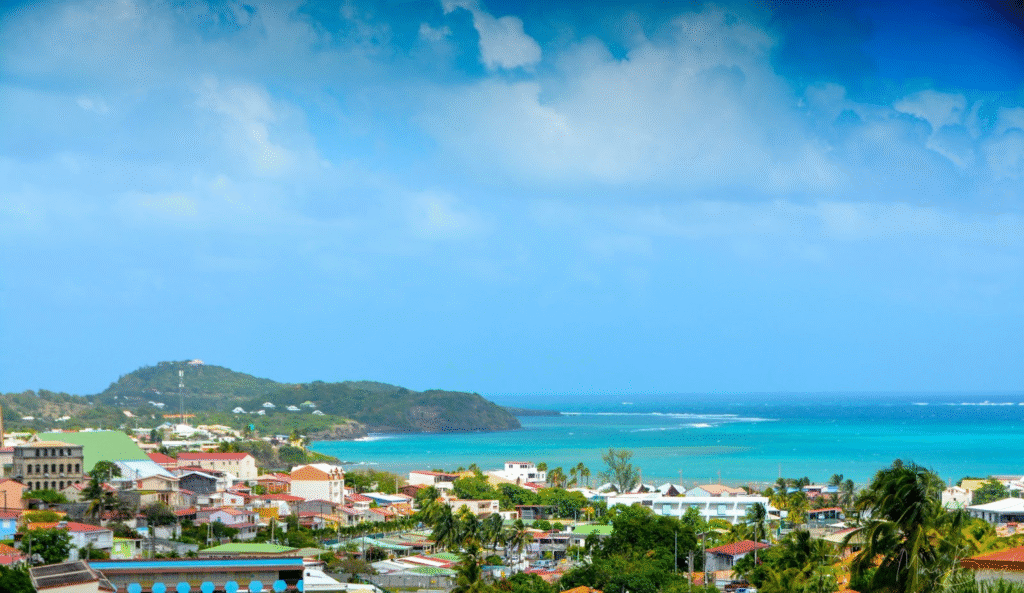
Copyright: Unsplash I License: CC0 Domain
Dreaming of turquoise waters, sunny weather all year, and a relaxed lifestyle? St. Kitts offers all of that, but moving here takes more than excitement—it takes careful financial planning.
From immigration fees and housing to healthcare, groceries, and unexpected relocation costs, island living can be more expensive than many expect. Understanding these costs in advance is key to avoiding surprises and creating a realistic plan.
Here’s a breakdown of the main expenses you can expect when moving to St. Kitts.
4 Things to Consider When Moving to St. Kitts
If you’re thinking about moving to St. Kitts, we’ve created a list of financial considerations you should keep in mind. These tips are helpful for anyone planning to relocate to a small island with its own unique benefits and challenges.
Immigration and Residency Costs
If you’re planning a long-term move to St. Kitts, understanding the immigration expenses is crucial. Visitors from many countries can enjoy a 90-day visa-free stay, but if you plan to stay longer, you’ll need to explore residency options. These include temporary, annual, or permanent residency permits.
For example, if you’re 55 or older, you can obtain permanent residency through the Retirement Program. This requires owning property worth at least US$350,000 and additional application and processing fees (around US$4,800 and US$200, respectively).
If you’re looking for a more permanent status—or even a second citizenship—the Citizenship by Investment (CBI) program is the fastest option.
The St Kitts citizenship cost starts at US$250,000 if you choose the Sustainable Island State Contribution. Alternatively, you can invest in real estate starting at US$325,000 or more, depending on the property type and location.
Remember that these costs are separate from other administrative fees, due diligence charges, and legal services required to complete the process.
Calculating all related expenses can help you create a clear and realistic plan for your relocation to St. Kitts.
Taxes and Financial Considerations
St. Kitts offers a highly favorable tax environment, especially for individuals. There is no personal income tax, and you won’t have to worry about capital gains, inheritance, wealth, or gift taxes. This makes it an attractive option for expatriates and retirees looking to enjoy significant financial advantages.
If you’re running a business, however, corporate tax applies. Businesses in St. Kitts are subject to a 33% corporate tax on net profits. Additionally, consumption is taxed through a Value Added Tax (VAT), which is currently set at 17%. For services like restaurants, hotels, and rentals, a reduced VAT rate of 10% applies.
You must account for business licensing and registration fees to work or start a business locally. These costs vary depending on the type and scale of your business operations.
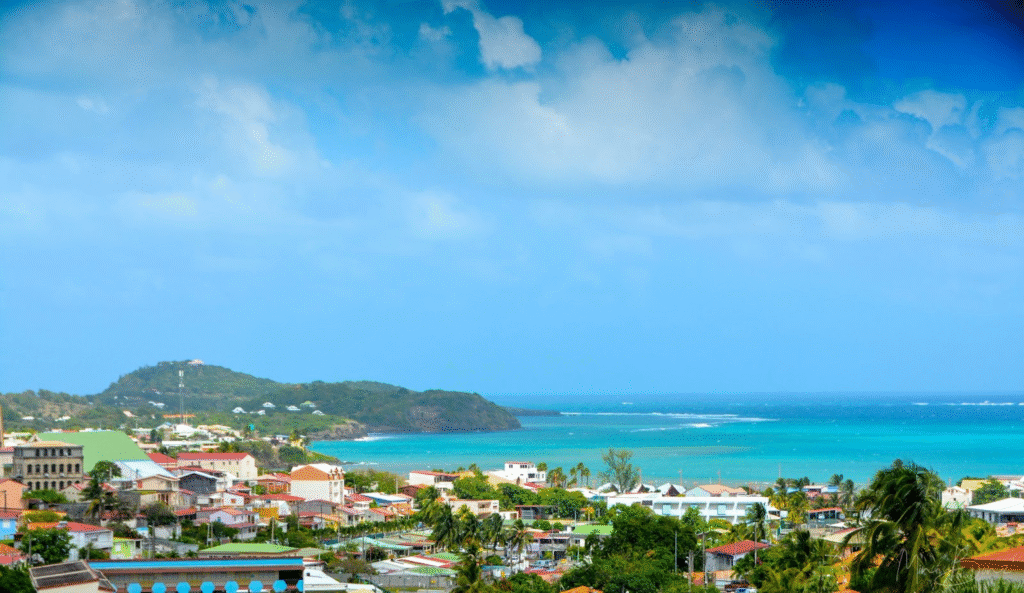
Copyright: Unsplash I License: CC0 Domain
Everyday Living Costs
Daily expenses in St. Kitts can vary depending on whether you stick to local products or buy imported goods.
Basic items like rice, bananas, and eggs are more affordable. For example, rice costs about $2.96 per kilogram, bananas around $2.45 per kilogram, and a dozen eggs roughly $5.77. However, imported items are more expensive. Milk costs about $3.32 per liter, and fresh white bread is around $4.07. To keep your food budget in check, try to balance local produce with imported goods.
Eating out is a common and enjoyable part of life on the island, and prices range widely. A simple meal at a local restaurant costs around $22, while a three-course dinner for two at a mid-range restaurant is closer to $92. If you’re on a budget, casual meals like fast food or street food are more affordable at about $8, and a local beer is usually just $2.22. This makes social outings accessible for most people.
St. Kitts offers plenty of options for leisure and entertainment at reasonable prices. You can join gyms, attend festivals, or explore cultural events without spending too much. Public transportation, like the local bus, costs about $2.22 per ride, making it an affordable and practical way to get around.
There are also plenty of free or low-cost activities, such as hiking, snorkeling, or attending community events, which are a natural part of island life.
If you’re moving to St. Kitts with children, consider education costs. International schools, like St. Kitts International Academy, charge annual tuition fees between EC$12,885 and EC$16,310, depending on the grade level. While these fees are higher than local public schools, international schools often provide the curriculum and teaching style many expat families seek.
Housing Costs
Deciding whether to rent or buy property in St. Kitts depends on your lifestyle and long-term goals.
Renting a one-bedroom apartment in Basseterre, the capital, typically costs around US $850 per month. If you prefer to live outside the center, expect to pay closer to US$600 monthly. For long-term rentals of six months or more, prices usually range from US $1,000 to $1,600 per month, and agents usually charge 10 to 15 percent commission.
If you’re considering buying property, prices depend on the type of property and its location. Condominiums range between US $350,000 and $1.5 million, while single-family homes are typically priced between US $400,000 and $1 million. Lot prices vary widely, from US$5 to $20 per square foot, depending on factors like elevation, views, and location.
As a non-citizen, purchasing property involves additional fees. You’ll need to pay a 10 percent Alien Landholding License fee, about 0.2 percent for the Assurance Fund, and legal fees averaging 2.5 to 3 percent. A surveyor’s report will cost approximately US $1,000, and there may also be closing fees. Stamp duty, which ranges from 6 to 10 percent of the purchase price, is typically covered by the seller.
Whether you rent or buy, you’ll need to budget for monthly utility costs, which include electricity, water, and internet. Electricity rates in St. Kitts can be higher than average due to the reliance on fuel imports, but broadband internet is generally affordable. It’s a good idea to factor these additional costs into your budget as you plan your move.
Planning Beyond the Price Tag
Moving to St. Kitts is more than just figuring out rent, groceries, or legal fees—it’s about matching those costs with the lifestyle and security you’re looking for.
Whether you’re retiring, investing, or simply wanting a slower pace of life, planning ahead is key. By budgeting carefully and getting the right legal and financial advice, you can make the dream of island living a sustainable reality while enjoying both comfort and new opportunities.