



One of the most difficult decisions you have to make when you book a Nordic cruise from the UK isn’t whether you should go or not. It’s when to go. Not only in terms of availability and price, but in terms of what you want to get out of your trip. Start by searching for cheap flights from Kiwi to find the best deals before locking in your cruise dates.
Summer cruises are usually better for endless daylight, but winter means you may get a chance to see one of the most beautiful phenomena in the world.
Two Seasons, Two Different Trips
Sailing from the UK puts you relatively close to some of the most amazing natural events on the planet. So, if you head north in summer, you can experience what it’s like to have daylight around the clock. And if you decide on a winter trip, you’ll be watching the skies for the Northern Lights.
The Midnight Sun: Endless Days at Sea
Between late May and the end of July, the sun doesn’t set above the Arctic Circle. This means that shore excursions run a lot later since there’s no reason to cut them short. As a result, you end up fitting more into a single day than you would on any other type of cruise.
The light at midnight looks the same as the late evening, which means you’ll want to spend even more time outside.
Cruises from the UK to Iceland and Norway are the most popular routes for Midnight Sun excursions, with some itineraries crossing the Arctic Circle entirely. It works well for first-time cruisers because there’s no pressure to be somewhere at a specific time. It’s also perfect for photographers since the shooting conditions are amazing (even after “sunset”).
Chasing the Aurora
If you want to head out on a cruise in winter, the best time to go is sometime between October and March. The days are shorter, but the ship is still full of life long after the sun goes down.
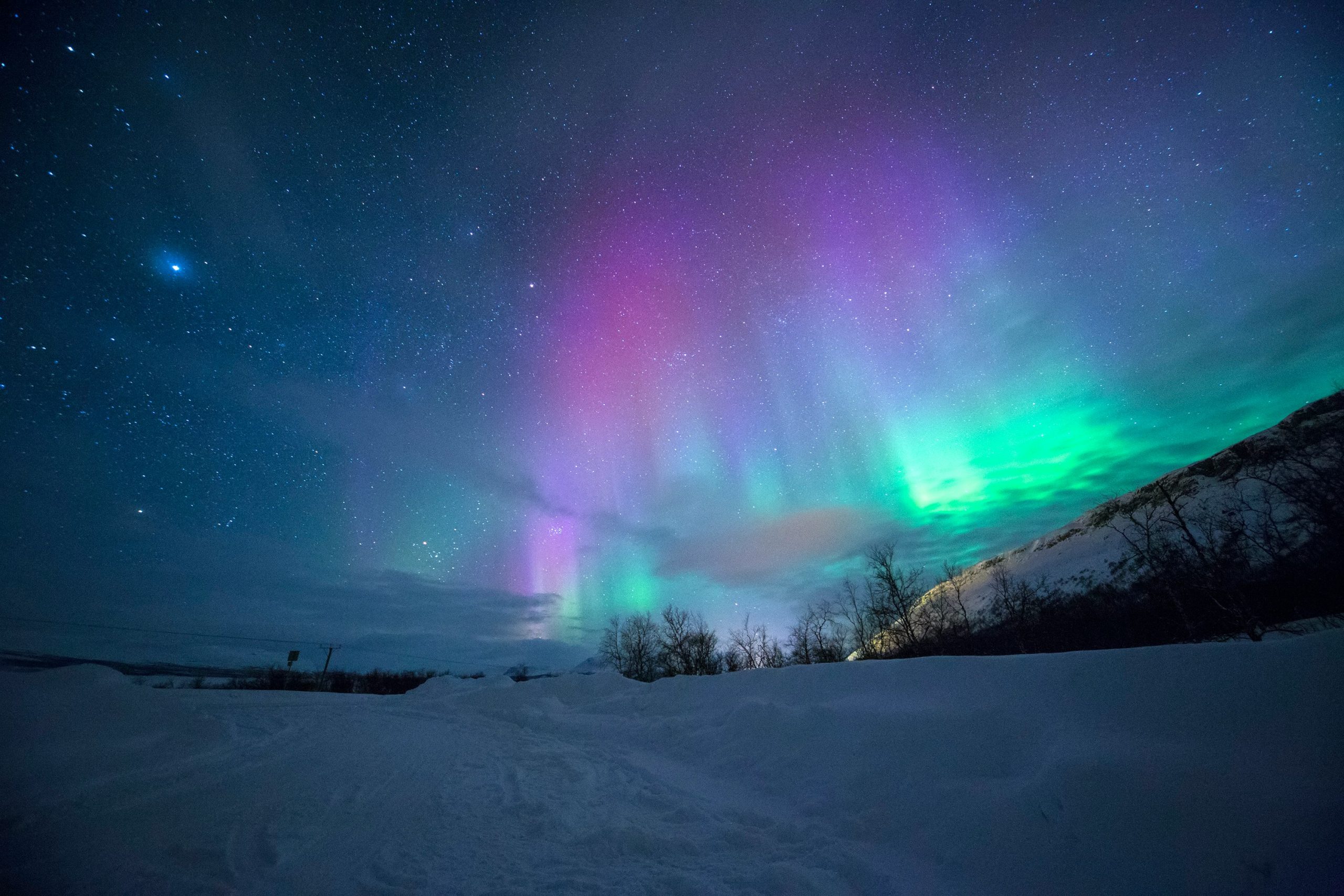
It’s important to remember that the Northern Lights usually appear when solar activity is high, and the sky is clear, neither of which is guaranteed on any given night on board.
That being said, the conditions right now are about as good as they’re going to get. Since the aurora activity follows the solar cycle, the activity on the sun is still enough to produce stronger flares throughout the year. In simple terms, the Aurora Borealis is more likely to be bright enough to see at least once on your trip.
Additionally, Norway is the most accessible destination to visit from the UK. The Tromsø region, in particular, is also rated one of the best places for aurora sightings. Ships that sail these routes also send aurora alerts when the conditions look promising. That will give you enough time to head to the deck and see the Northern Lights.
Differences That Will Define Your Trip
One of the biggest differences between these trips is the scenery. In the summer, you’ll see green fjords and enjoy long, coastal evenings. However, in winter, everything is covered with a blanket of snow, and daylight is a lot shorter.
Sea conditions also tend to be calmer in the summer. Winter cruises can be rougher, and it gets seriously cold out on an open deck, so packing the right layers is worth doing properly before you depart.
The people on board will naturally change, too. In the summer, cruises are busier and more social in nature. On the other hand, winter sailings are quieter, with more time spent inside and a lot of eyes on the sky when the sun goes down.
Which One Should You Choose?
Your ideal cruise will depend on what you want to see and experience on your trip. If you want to experience something extraordinary without leaving anything to chance, then the Midnight Sun sailing is a better bet.
However, if you want the chance to see something you’ll spend years talking about, then a winter cruise to see the Northern Lights is more than worth it.