



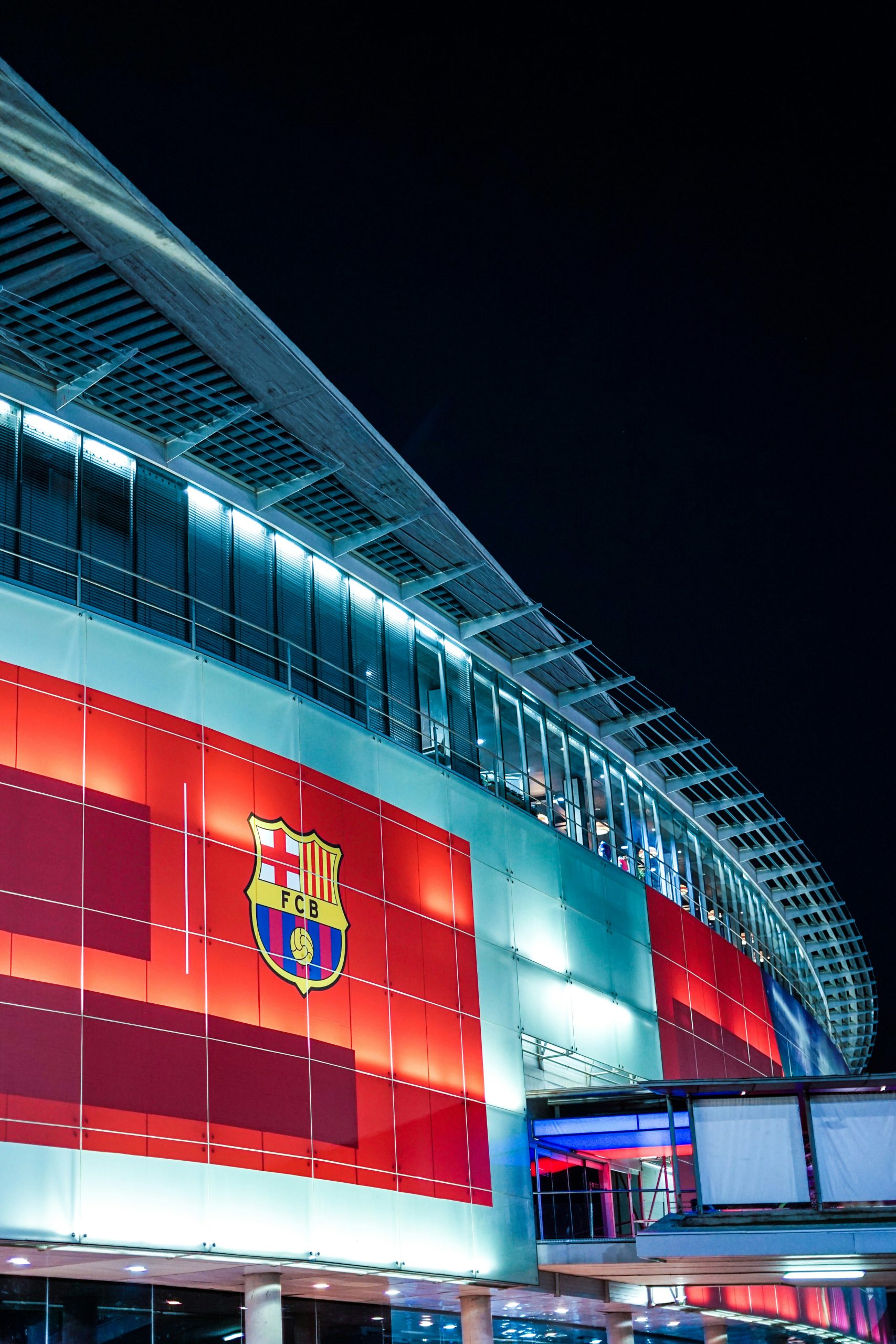
Let’s get one thing straight before we even talk about the grilled squid. Barcelona does not do things by halves. Other cities have a “healthy breakfast.” Barcelona has pa amb tomàquet—bread rubbed with tomato, garlic, and enough olive oil to make a cardiologist weep into his stethoscope. Other cities have a “nightlife.” Barcelona has a 2:00 AM ice cream run after a dinner that started when the sun went down and ended when the moon got embarrassed and went home. Other cities have football. Barcelona has religion with a goalpost.
This is the City of Plenty, and I don’t just mean the tapas portions (though, God bless them, they have never met a plate they couldn’t overload). I mean a kind of spiritual, chaotic, sun-drenched abundance that makes you feel like you’ve accidentally stumbled into a Mediterranean fairy tale written by a very sweaty, very happy novelist who really, really loves ham.
Let’s start with the food, because that’s where Barcelona grabs you by the collar, stuffs a croqueta in your mouth, and asks, “Why haven’t you been happy your whole life?”
Imagine you are wandering down a narrow street in the Gothic Quarter. The air smells like a three-way fight between jasmine, sea salt, and sizzling garlic. You see a tiny bar, the kind where the floor is sticky in a reassuring way, and the owner has the face of a man who has seen everything—tourists taking photos of jamón, couples breaking up over bad sangría—and has chosen to express his wisdom only through the medium of fried potatoes. You order patatas bravas. These are not your American sports-bar fries with a squirt of ketchup. These are crispy, golden soldiers sent from heaven to die in a pool of spicy, smoky salsa brava and a cool, garlicky aioli. You eat one. Your eyes roll back so far you can see your own brain doing a happy dance. You order another plate. Then a plate of gambas al ajillo—shrimp drowning in liquid gold garlic oil, so good you consider drinking the remains. Then pimientos de padrón: little green peppers, most mild, one in ten a cruel little bastard of pure fire. It’s Russian roulette with vegetables. This is Barcelona’s sense of humor.
And the jamón. My God, the jamón. They hang entire pig legs from the ceilings of every bar like a serial killer’s art installation, except the serial killer is a kind-eyed abuela with a sharp knife and a generous heart. The meat is so thin you can read a newspaper through it, so flavorful it makes you question every bland turkey sandwich you’ve ever forced down at a desk. This, Barcelona seems to say, is what life should taste like. Not obligation. Not efficiency. Jamón.
But a city cannot live by bread and pig alone. It also needs to kick a ball around for 90 minutes while 99,000 people scream their lungs out.
Which brings us to FC Barcelona. More than a club, they say. And they’re right. It’s more than a club; it’s a therapy session, a civil war, a soap opera, and a religious revival, all happening simultaneously on a rectangle of grass.
To understand Barcelona, you must understand that the locals have a GREAT relationship with their football team that a marriage counselor would describe as “codependent with boundary issues.” On a Sunday afternoon, the entire city grinds to a halt. Grandmothers who can barely see over the railing suddenly become tactical geniuses. “No, no, no! Pedri, pasa el balón, imbécil!” they shriek, shaking a bocadillo at the television. Taxis vanish. The only sound is the collective groan of a million people watching a winger take one touch too many.
And then, when Barça scores? It’s not a cheer. It’s a primal release. A volcanic GOOOOOOOL that echoes off the stone walls, rattles the tapas plates, and temporarily convinces everyone that, yes, this is the greatest moment of their lives. Never mind the rent. Never mind that the metro is late. A skinny Brazilian kid just curled a ball into the top corner. All is right with the world.
For approximately 47 seconds?
Because if there is one thing more certain than Barcelona having incredible food, it is that Barcelona’s football team will find a way to make you suffer. This is the club that gave us Lionel Messi—a tiny, left-footed alien who could dribble past six defenders and then make the goalkeeper look like a confused traffic cone. But it is also the club that, the moment Messi left, entered a phase of financial and emotional chaos that can only be described as “a reality TV show written by Franz Kafka.” They have “levers.” They have “economic levers.” They sell future ticket rights, TV rights, the rights to the janitor’s broom closet, all to sign one more shiny midfielder who will immediately pull a hamstring. It is absurd. It is glorious. It is the most Barcelona thing imaginable: a feast of ambition followed immediately by the digestive consequences.
You see, the city and the club are the same organism. Barcelona the city is a place of breathtaking beauty—the stained-glass windows of the Boqueria market, the impossible, dreamlike curves of Gaudí’s Sagrada Família, the blue shimmer of the Mediterranean at Barceloneta. It is a feast for the eyes, the ears, the stomach. It is plenty.
But it is also a place where your wallet gets picked on Las Ramblas if you look at a mime for two seconds too long. It’s a place where the construction of one church has been going on for 140 years and might finish by the time your great-grandchildren retire. It is chaotic, loud, disorganized, and occasionally infuriating. Just like a Barça match. You will spend 85 minutes watching them pass the ball sideways, trying to walk it into the net like they have all the time in the world, driving you up the wall. Then, in the 89th minute, they will produce a sequence of five one-touch passes that ends with a goal so beautiful you forget every boring minute that came before.
That is Barcelona. A city that will serve you the finest crema catalana you have ever tasted, then hit you with a 3 AM garbage truck that sounds like a dragon learning the drums. A city where you can watch the sun set over the sea from a rooftop bar, glass of cava in hand, and then get hopelessly lost in the Raval ten minutes later. A city of plenty—plenty of joy, plenty of chaos, plenty of garlic, and plenty of offside traps that get blown at the worst possible moment.
You can’t just visit Barcelona . You have to eat it, cheer for it, and then grumble about it over a late-night bikini sandwich (a grilled ham-and-cheese that sounds boring but is, in fact, a melted prayer). You have to accept that you will gain weight. You have to accept that you will fall in love with a midfielder who will immediately sign for Paris Saint-Germain. You have to accept that the beautiful, messy, sun-soaked, squid-infused, football-crazed insanity will get under your skin.
And then, like the rest of us poor souls , you will spend the rest of your life trying to find patatas bravas that are just as good, and a last-minute winner that feels just as sweet.
Good luck with that. For now, pass me the jamón. And for God’s sake, don’t let them take the short corner.
by PAMELA RODRIGEZ