



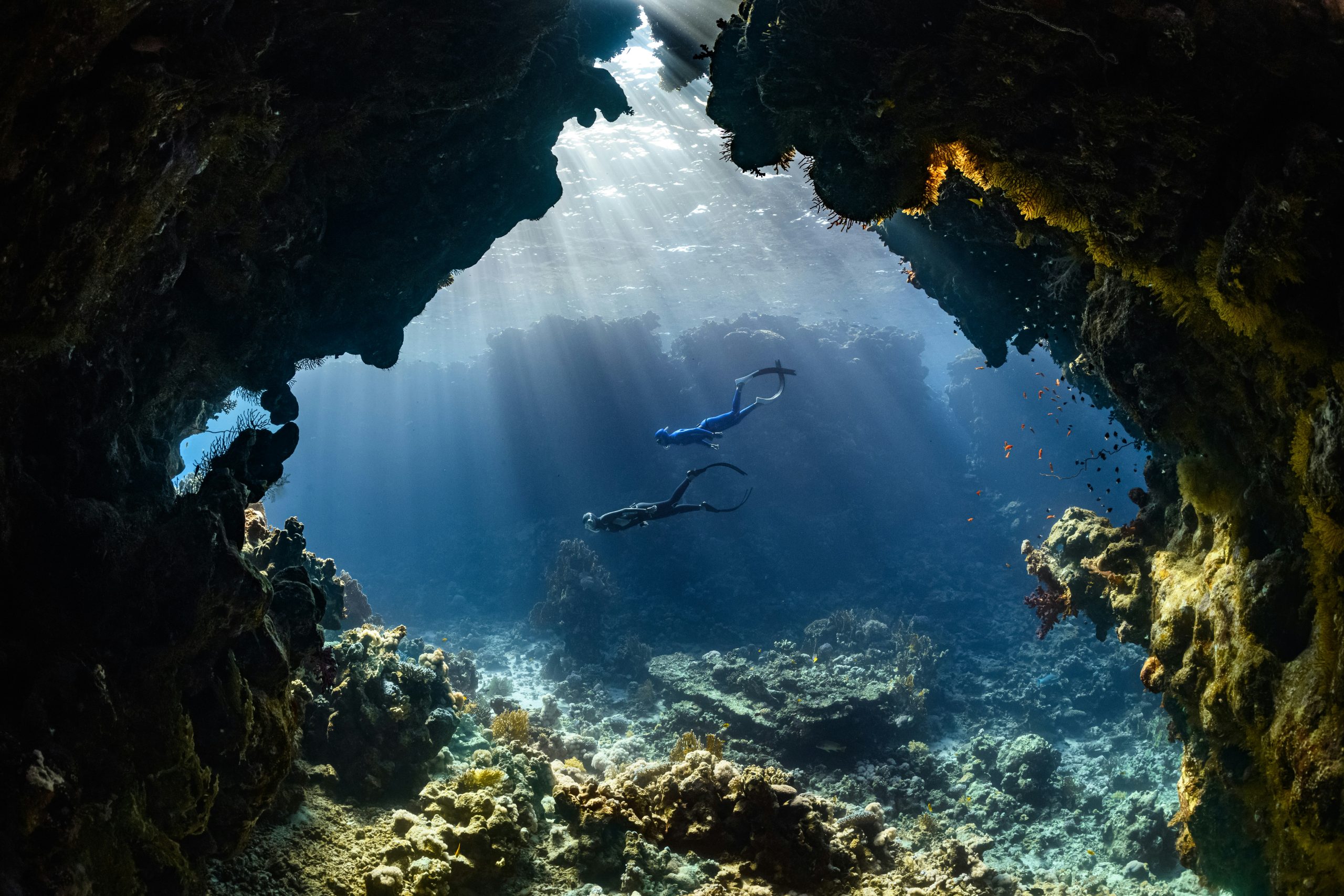
Bali has a reputation that arrives well before most divers do. Photos of manta rays and the USAT Liberty wreck do a lot of the planning for people, and a few assumptions tend to come along with them. Some are harmless. Others cost travelers a day of diving, or a fair amount of money, once they’re on the island.
Local guides hear the same misconceptions every season, and the seven below come up more often than most.
Most of them share a root cause. The difference between a memorable dive and an ordinary one often comes down to understanding the sea rather than simply choosing a destination, a distinction reflected in Neptunescubadiving.com’s approach to scuba diving in Bali, Indonesia, where local knowledge helps shape each underwater excursion. Guides who’ve worked the same coastline for years tend to read the water first and pick the site second.
Myth 1 – The Water Is Always Warm
Close, for much of the year. Water on the east coast around Amed and Tulamben usually sits in the low 80s Fahrenheit. But between roughly July and October, cold upwellings around Nusa Penida can push temperatures below 68°F (20°C), sometimes for only part of a dive. A thin shorty that’s fine in Amed can leave a diver shivering at Crystal Bay, so it’s worth asking each shop which wetsuit it hands out for which site.
Myth 2 – Mantas Are Guaranteed
Reef mantas live around Nusa Penida all year, and sightings at Manta Point are common enough that many shops advertise them. Swell can still make the site too rough to enter, and captains sometimes turn back after a look at the waves. Two spare days in the plan give the best odds.
Myth 3 – Rainy Season Ruins the Diving
The wet season runs from about November to March, and it’s the myth guides push back on hardest. Rain tends to arrive as heavy afternoon downpours, while most dive boats leave early in the morning. The east coast, sheltered by Mount Agung, often stays calm. Visibility near river mouths can drop for a day or two after a storm, especially around Sanur. Reefs are less crowded (and some of the cheapest rooms of the year show up then). It’s probably the most underrated stretch of the year for divers who don’t mind a wet drive back to the hotel, though opinions differ on how much the run-off matters.
- Pack a light rain jacket.
- Base the trip in Amed or Tulamben.
- Ask about Sanur before booking a day there, because run-off after a storm can leave the reef murky for several days.
Myth 4 – Nusa Penida Suits Beginners
Penida sits close to the southern resorts, which makes it look like an easy start to scuba diving in Bali. Its currents can be strong and can change direction within a single dive, and many operators prefer newly certified divers to log more experience first.
A Penida Day That Went Wrong
On Tuesday, November 3, 2026, a high school chemistry teacher from Columbus, Ohio, named Marcus Bell joined a Penida day trip from Sanur, booked through his hotel’s tour desk for the lowest price on offer. He’d been certified in a flooded quarry back home eleven weeks earlier and had eight logged dives. Nobody asked to see his logbook. The boat dropped a group of seven at a drift site a little after nine, and the current picked up about fifteen minutes in. While trying to keep up with the group, he added too much air to his BCD, lost control of his buoyancy and rose from around 45 feet to the surface far faster than he’d been trained to. The guide followed him up and the crew pulled him aboard. He felt fine, but the shop’s policy kept him out of the water for the rest of the day, and he spent the afternoon on deck with a bottle of water while the others dived. He moved the rest of his week to shore dives in Amed.
A careful shop will ask for a logbook before any Penida booking, which is a reasonable thing to look for.
Myth 5 – The North Is Too Far
Menjangan, off Bali’s northwest coast in West Bali National Park, is around four hours by road from the south. That puts plenty of people off. The island’s walls start in shallow water, and the boat ride across from the mainland takes about half an hour.
(Pemuteran, the nearest village with dive resorts, also has a reef restoration project where steel frames carrying a low electric current help coral regrow, and it can be snorkeled straight from the beach.)
- Stay at least two nights in Pemuteran.
- Add a stop at Secret Bay near Gilimanuk, since the muck diving there suits photographers who like small subjects.
Myth 6 – Snorkelers Get the Leftovers
Plenty of the island’s best reef sits within a few feet of the surface. Jemeluk Bay in Amed is probably the best place to snorkel in Bali for first-timers, with coral starting close to the beach. Parts of the Liberty wreck at Tulamben can be seen from the surface on a calm morning. And the tops of Menjangan’s walls are shallow enough that snorkelers and divers often share the same boat.
Myth 7 – The Famous Sites Are Always the Best
Guides tend to talk about conditions before they talk about places. A crowded Manta Point at eleven o’clock can be a worse dive than an empty stretch of reef nearby at eight, and the best scuba diving in Bali on any given day often depends on the tide.
- Ask the guide which way the current is running.
- Early starts.
- Ask what the visibility was the day before.
- Stay open about sites.
- Let the shop swap a famous site for a quieter one when the guide suggests it, because that call usually comes from watching the water that morning.
Before Booking
As of November 2026, foreign visitors pay Bali’s tourist levy of 150,000 rupiah, introduced in February 2024. Travel insurance for Bali Indonesia scuba diving should cover the depth of the diver’s certification, as many standard policies don’t. Most training agencies also recommend at least 18 hours between the last of several days of diving and a flight home.
Before paying a deposit, email the shop the certification level and number of logged dives, and ask which sites it would choose for that diver in the week of travel.