



** I’m sitting in a tiny bar in Bilbao’s Casco Viejo, a toothpick spearing a piece of anchovy-topped bread in one hand and a glass of crisp Txakoli in the other. Three days ago, I was in Porto, face-deep in a Francesinha sandwich that required a defibrillator on standby. Two days before that, Toulouse, where I discovered that foie gras for breakfast is not only acceptable but encouraged.
This is the problem with planning a spring break trip through northern Spain and southwestern France. The food is too good. The wine flows too freely. And your trousers will never forgive you.
But someone has to do the research. Someone has to eat the pintxos, slurp the Port, and wrestle the cassoulet. That someone is me. You’re welcome.
Let’s break down this epic three-city showdown: Porto, Portugal; Toulouse, France; and Bilbao, Spain. Three cities, three completely different food cultures, and one very stretched waistband.
Porto: Where Port Wine Flows Like Water and Sandwiches Are a Contact Sport
The Vibe: Porto hits you like a warm hug from your Portuguese grandmother—if your grandmother washed it down with 20-year-old Tawny and yelled at you to eat more because you’re “too thin” (you’re not).
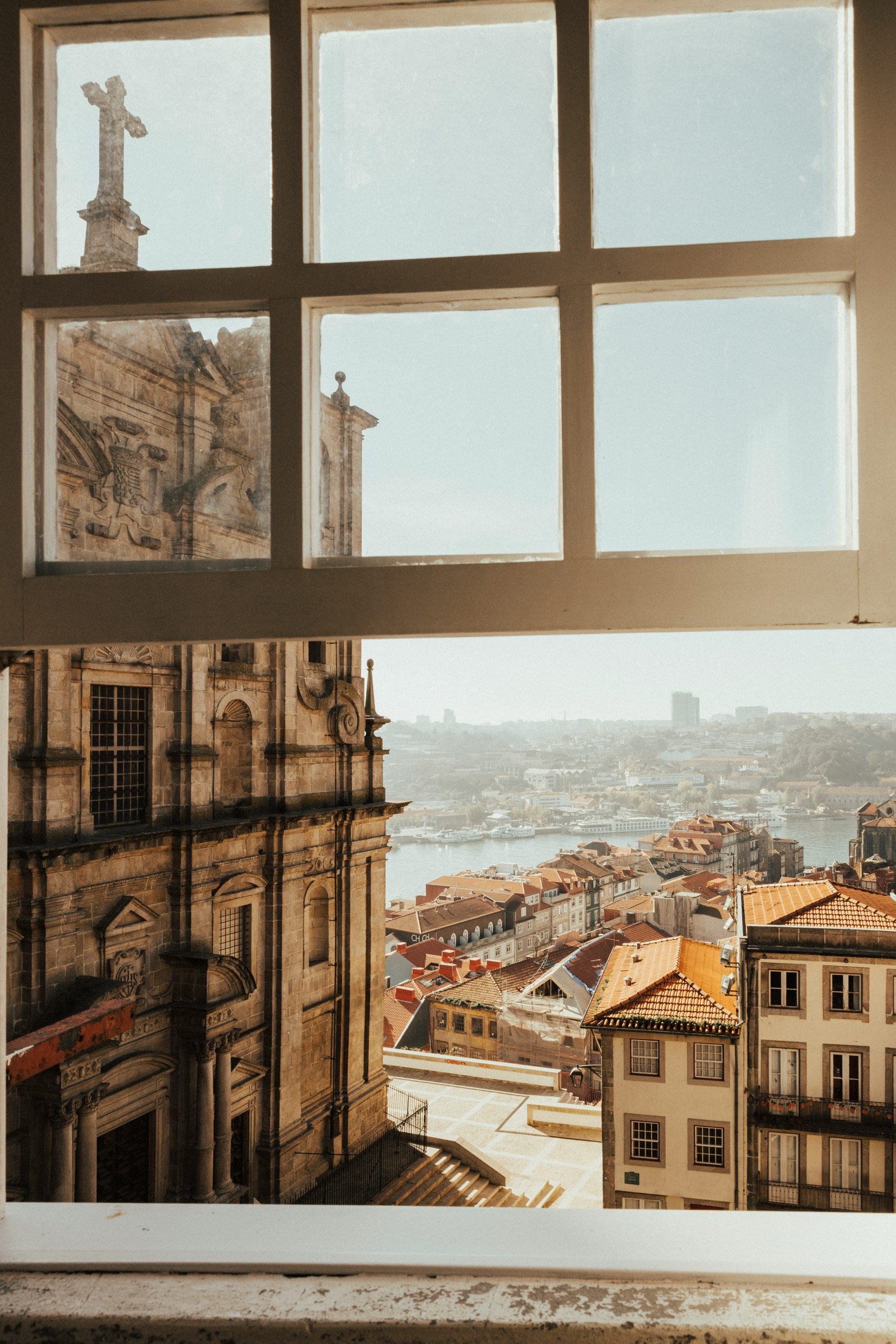
Porto’s food culture is built on three pillars: Port wine, seafood, and the most absurd sandwich you’ll ever meet . The city sprawls along the Douro River, and everywhere you look, those iconic rabelo boats remind you that this place has been shipping fortified wine to Britain since forever .
What You Absolutely Must Eat
The Francesinha. Let’s talk about this monstrosity. Imagine a sandwich made of layers of cured meats, fresh sausage, steak, and ham, all encased in melted cheese, drowned in a tomato-beer sauce, and served with a mountain of fries. Then imagine eating the entire thing and questioning every life choice that led you to this moment . The best in town? Brasão Coliseu on Rua de Passos Manuel. Locals swear by it. Your arteries will send you a strongly worded letter .
Port Wine. Obviously. Cross the Luís I Bridge to Vila Nova de Gaia, where the historic wine lodges line up like soldiers . You can’t throw a cork without hitting a tasting room. Do a tasting, even if you think you don’t like sweet wine. Taylor’s, Graham’s, Cálem—take your pick. The sunset views from Gaia alone are worth the trip .
The Egg Tart War. Porto has opinions about pastéis de nata. Three shops dominate the conversation:
- Manteigaria on Rua dos Clérigos: Thin, crispy pastry, soft custard, served warm. Multiple locations, consistent quality .
- Fábrica da Nata on Santa Catarina: Crispy crust with a slightly sugary top. Solid contender .
- Castro on Mouzinho da Silveira: Controversial! Some love it, some find the filling too thin . The only way to decide is to try all three. For research.
Bifana. Spicy pork sandwich so simple it’s genius. Conga on Rua do Bonjardim is the spot—greasy, chaotic, perfect .
Fresh Seafood in Matosinhos. Take the metro to the coast, where the fishing port serves grilled fish so fresh it was probably swimming when you sat down .
The Porto Strategy
Wear comfortable shoes. The city is steep, cobbled, and demands walking . Spend your mornings exploring the São Bento Station’s azulejo tiles, your afternoons crossing bridges for wine tastings, and your evenings hunting Francesinhas . Save room for sunset at Jardim do Morro, where the entire city glows pink and gold .
Toulouse: The Pink City Where Foie Gras is a Food Group
The Vibe: Toulouse is France’s best-kept secret. While everyone fights over Paris and Provence, Toulouse sits pretty in its pink bricks, sipping wine and laughing at the tourists who haven’t discovered it yet . It’s called “La Ville Rose” (The Pink City), and honestly? The nickname fits. The whole place glows .
The food here is southwestern French, which means duck, duck, and more duck. Confit, foie gras, cassoulet—if it waddled, Toulouse will find a way to make it delicious.
What You Absolutely Must Eat
Cassoulet. The king of French comfort food. White beans, pork, duck confit, sausage, all baked until it forms a crust that dreams are made of. Toulouse claims to make the original, and honestly? They might be right .
Duck Confit. A duck leg cooked slowly in its own fat until the meat falls off the bone and the skin is crackling perfection. You’ll find it everywhere, and you’ll order it everywhere. No regrets.
Foie Gras. Controversial, yes. Delicious, absolutely. Toulouse is surrounded by duck farms, and the foie gras here is world-class. Try it on toast with a glass of Sauternes and feel fancy for approximately 90 seconds before ordering more .
Marché Victor Hugo. This indoor market is a cathedral of food. Fresh produce, cheese stalls, charcuterie, and little restaurants where you can perch on a stool and watch the world eat . Grab some oysters, a glass of white, and pretend you live here.
Le Genty Magre. For an authentic foie gras experience, book ahead. This place specializes in duck and does it right .
La Faim des Haricots. Vegetarian-friendly option that proves even meat-heavy Toulouse has something for everyone .
The Toulouse Strategy
Start at Place du Capitole, the heart of the city, and just wander . The old town is made for getting lost. Climb the Basilique Saint-Sernin for views, walk along the Garonne River at sunset, and if you’re into space stuff, hit the Cité de l’Espace—Toulouse is Europe’s aerospace capital .
For a day trip, Carcassonne is an hour away—a medieval fortress that looks like it belongs in a fairy tale .
Bilbao: Where Pintxos Are Art and Wine Comes from the Sky
The Vibe: Bilbao is the cool kid who moved to the city and got really interesting. Once an industrial port, it’s now a cultural powerhouse wrapped around the Guggenheim Museum and a food scene that will ruin tapas for you forever .
The Basque Country does things differently. The language is ancient, the culture is fierce, and the food is obsessive. This is pintxos country—small bites perched on bread, held together with toothpicks, and consumed in bars that stack up like libraries of deliciousness .
What You Absolutely Must Eat
Pintxos. Not tapas. Tapas are small plates; pintxos are architectural achievements. A slice of baguette topped with everything from jamón and peppers to foie gras and seafood, all secured with a cocktail stick . You grab a plate, you point at what looks good, you eat standing at the bar, and at the end, they count your toothpicks. It’s the most civilized system ever invented.
Casco Viejo (Old Town). The narrow streets of the Siete Calles (Seven Streets) are packed with pintxos bars . Start at Plaza Nueva, surrounded by arcaded buildings filled with restaurants. Bar hop. Try everything. Pace yourself. It’s a marathon, not a sprint.
Txakoli. The local white wine, poured from height into the glass to aerate it. Slightly sparkling, slightly acidic, completely perfect with seafood pintxos . They also do a red version, but the white is where it’s at.
Rioja Wine. You’re a stone’s throw from Spain’s most famous wine region. Day trips to Rioja wineries are easy and absolutely worth it—think tours, tastings, and landscapes that look like paintings .
Fresh Anchovies. The Cantabrian Sea delivers anchovies that bear no resemblance to the salty things on pizza. Fresh, meaty, often simply grilled or served in vinegar. Spring is prime season .
Asparagus. Another spring specialty, often grilled and served with little more than olive oil. Simple. Perfect .
The Bilbao Strategy
Spend a morning at the Guggenheim—the building alone is worth the trip, all titanium curves and modern art . Afternoon in the old town, eating your body weight in pintxos. Evening wine bar, nursing a Rioja and wondering why you don’t live here.
If you have time, the surrounding countryside is lush and green—the “Green Coast” for a reason .
The Head-to-Head Food Fight
Let’s compare these three glorious cities side by side:
| City | Signature Dish | Signature Drink | Vibe | Best For |
|---|---|---|---|---|
| Porto | Francesinha (the heart attack sandwich) | Port Wine (all colors, all ages) | Riverfront charm, steep hills, UNESCO views | Wine lovers, seafood fans, sandwich enthusiasts |
| Toulouse | Cassoulet (bean-and-duck perfection) | Southwest French reds (think Cahors) | Pink bricks, student energy, French authenticity | Duck devotees, cassoulet connoisseurs, space nerds |
| Bilbao | Pintxos (tiny edible art) | Txakoli + Rioja | Cool, cultural, Basque pride | Snackers, wine tourists, art lovers |
The Verdict: Which One Wins?
Here’s the beautiful truth: you don’t have to choose.
These three cities are surprisingly close. You could fly into Porto, train to Toulouse (okay, that’s a bit far—maybe fly), then hop to Bilbao. Or do Bilbao, train to Toulouse, fly to Porto. Spring weather is ideal in all three—mild, sunny, occasionally showery, but nothing that ruins a good stroll .
But if you’re forcing me to pick one based on food alone:
- Porto wins for wine and sandwich drama. Port tastings are unforgettable, the Francesinha is an experience, and the egg tart debate will keep you busy for days . Plus, it’s the cheapest of the three .
- Toulouse wins for French indulgence. If duck confit and foie gras are your love language, this is your city . It feels more “undiscovered” than the others, which adds to the charm.
- Bilbao wins for variety and snackability. Pintxos let you try everything, the wine region is world-class, and the Guggenheim gives you culture to justify all that eating . Plus, TUI just launched spring breaks here, so it’s easier than ever to book .
My completely biased, slightly bloated recommendation: Do all three. Give yourself 3-4 days per city. Walk everywhere. Eat everything. Drink all the local specialties. Come home with stories, photos, and a new appreciation for the phrase “I’ll just have one more.”
Your waistband might protest. But your taste buds will throw you a parade.
Bom apetite, bon appétit, eta on egin—and may the food gods bless your spring break.
BY SIMON FREEDMAN