


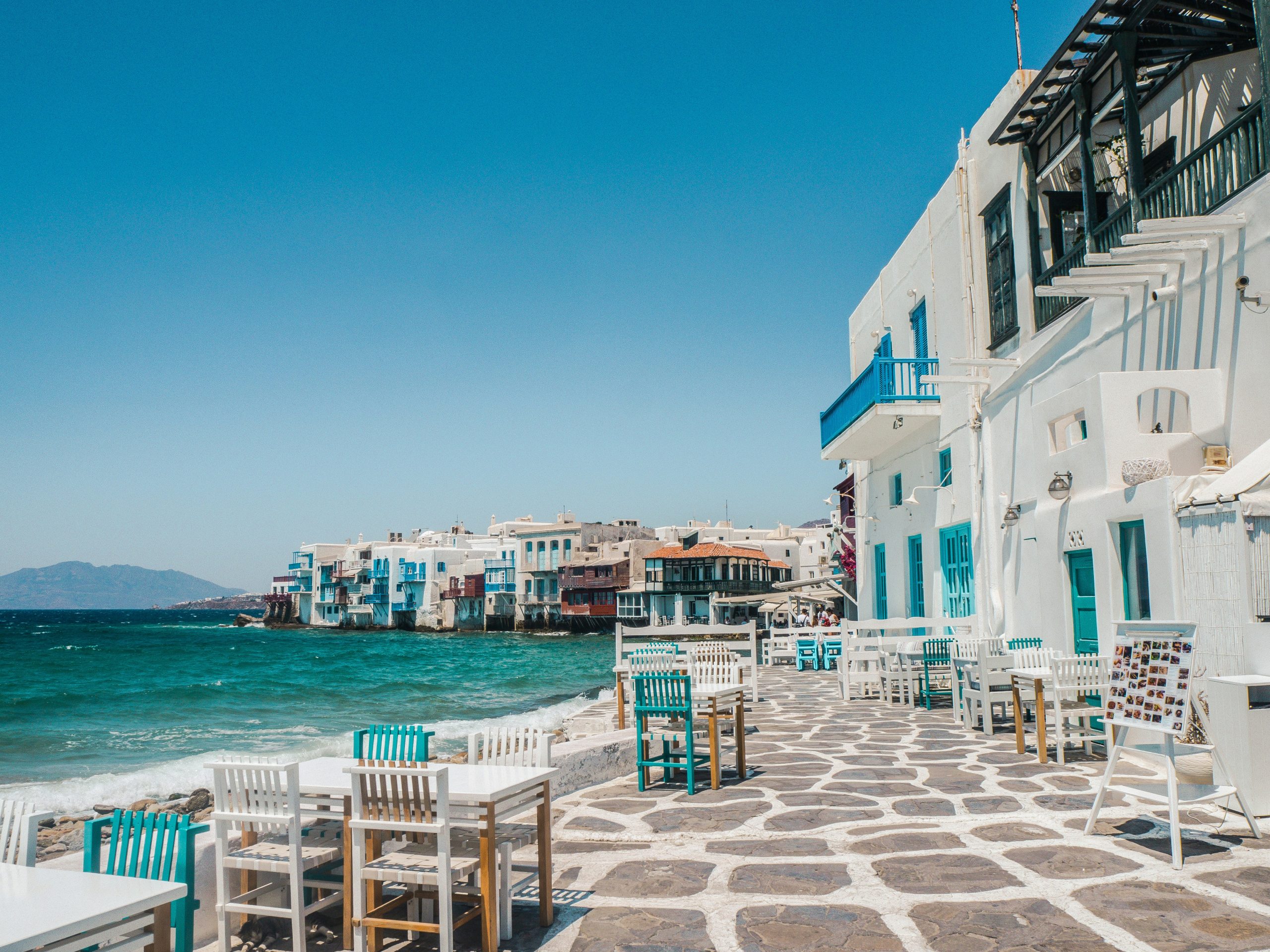
I have MY friend Sarah. A few years ago, she was chained to a desk in a London office tower, staring at spreadsheets and watching the rain streak the windows. Today, she sends me photos from her laptop in a whitewashed Greek village, the Aegean blue behind her, a coffee that costs two euros resting beside the keyboard. She says she’ll come back eventually. We both know she won’t.
Sarah is part of a quiet migration that has only accelerated in 2026. The digital nomad lifestyle is no longer a fringe curiosity or a millennial fantasy. It’s a structural shift in how work happens, and this year, the data is telling us something fascinating about where it’s headed. Not just the geography, but the psychology. Not just the destinations, but the reasons people choose them.
The Map Has Changed
If you’d asked me five years ago where digital nomads went, I’d have rattled off the usual suspects. Bali. Chiang Mai. Lisbon. Barcelona. Those places still pull crowds, but the numbers from early 2026 tell a different story.
Spain, according to the National Statistics Institute, has seen overnight stays in non-hotel accommodations rise by 3.6 percent just since January. That might not sound dramatic, but dig deeper and the picture shifts. The growth isn’t in Barcelona’s crowded Gothic Quarter or Madrid’s tourist-choked plazas. It’s in rural Spain. Castile-La Mancha, Galicia, the Pyrenees. Rural tourism bookings jumped 24 percent in a single month.
This matters. It suggests that the digital nomad is growing up. The first wave wanted community, which meant clustering in hotspots where everyone spoke English and the coworking spaces had kombucha on tap. The second wave wants something quieter. Small villages where the baker remembers your order. Landscapes that don’t demand to be photographed but reward being sat with. High-speed internet and a view, yes, but also the chance to exist somewhere without feeling like a tourist.
The Canary Islands have become the unlikely crown jewel of this shift. German remote workers, fleeing the grey of a Berlin winter, have pushed occupancy rates toward 90 percent. They’re not lying on beaches all day, mostly. They’re working from volcanic landscapes, their Zoom backgrounds making colleagues back home profoundly jealous.
The Glomad and the Grocery Store
Forbes recently coined a term that captures something about this generation of travelers: Glomads. Global nomads. It’s clunky, but it points to something real.
Fifty-two percent of Gen Z plans more international travel in 2026 than last year. Seventy-two percent are comfortable using AI to plan their movements. But the numbers that stopped me were smaller and stranger.
Forty percent prioritize beauty and wellness experiences when choosing destinations. Skincare treatments. Spa retreats. The sort of things that, a decade ago, would have seemed like holiday extras but are now baked into the decision of where to park a laptop for a month. Nearly a third plan supermarket visits abroad. Not fancy restaurants, not markets, but supermarkets. They treat grocery stores as cultural sites, places where the rhythms of daily life become accessible through unfamiliar snack foods and strange produce.
This is travel with a different texture. It’s not about ticking boxes or collecting countries. It’s about feeling somewhere. The taste of a Japanese convenience store egg sandwich, which has achieved near-mythic status in online communities. The weight of Moroccan argan oil in your palm, bought from a woman who learned the recipe from her grandmother. The nomad of 2026 travels with intention, and that intention increasingly turns toward the body. Its maintenance. Its pleasures.
The Visa Arms Race Gets Personal
Behind the scenes, something more structural is unfolding. Countries have realized that remote workers are a demographic prize. They earn well, they don’t strain public services, and they can revive communities that have spent decades watching their young people leave.
Spain’s digital nomad visa was just the beginning. Non-EU citizens can now stay for up to a year with renewal options. Sri Lanka launched its own visa in February, requiring a monthly income above €1,700 and offering year-long stays for a €425 fee. The small print notes that Sri Lanka ranks 131st in global broadband speeds, which is a reminder that paradise and productivity do not always align neatly.
Then there are the places offering cash. Italy’s southern towns, hollowed out by emigration, have experimented with grants up to €30,000 for those willing to settle and start businesses. A Swiss alpine village called Albinen offers 25,000 Swiss francs per adult for families who buy property and commit to a decade of residence. Japan provides up to one million yen per child for families leaving Tokyo for rural prefectures. Croatia, Chile, Ireland, each with its own variation.
For the digital nomad, this creates an unprecedented range of choice. The question is no longer just where can I go, but what will they give me to come. And that shifts something fundamental. The nomad is no longer a supplicant asking permission to stay. They are being courted.
The Tools You Don’t Think About Until You Need Them
This lifestyle, for all its romance, rests on infrastructure. Mundane, unglamorous infrastructure that fails at exactly the wrong moment if you don’t pay attention.
Consider money. Traditional banking assumes you live somewhere and earn in one currency. The nomad does neither. The response has been a wave of financial tools designed for people who’ve slipped through the cracks of the old system. Crypto cards that let workers paid in digital assets spend in the real world. Digital wallets that move across borders without screaming at you about exchange rates. Mobile-first banking that treats “where are you now” as a feature, not a problem.
Even the backpack is being reimagined. A Barcelona-based company called Scapade predicts 2026 will see the rise of what they call “mobile office essentials.” Modular backpacks with tracking chips and theft protection. All-in-one power banks that can charge everything you own. Privacy shields for working in cafes where strangers can read your screen. Noise-cancelling tools that create pockets of concentration in spaces never designed for concentration.
The nomad’s kit is professionalizing. It’s responding to the reality that working from anywhere means working everywhere, and that requires equipment your grandfather wouldn’t recognize.
The Tension No One Talks About
For all the optimism in the numbers, there are currents moving in the opposite direction. Ipsos, in its Global Trends report, documents what it calls the Local Identity Struggle. As Spain climbs the rankings for digital nomad destinations, locals are beginning to push back. The hyper-connected optimist arriving in Valencia for the sun may find that without local roots, the digital lifestyle feels hollow. Shiny but empty, as one respondent put it.
Eighty-two percent of people globally now prioritize family and friends over other resolutions. In Italy and Spain, the glow up is increasingly measured in social currency within the family unit rather than Instagram likes. The trend is toward what Ipsos calls Strategic Smallness. Retreating into local communities. Seeking the stability that a fluctuating global economy cannot provide.
This creates a paradox. Even as the infrastructure for nomadism improves, the psychic rewards of rootedness are being rediscovered. The most modern thing you can do in Milan or Madrid in 2026, the report suggests, is not to be a global nomad but to be a local legend. Ancestral travel, visits to home villages, is displacing generic beach tourism. People are going back, not away.
The Workforce Reality Check
Underpinning all of this is a labor market transformation that Randstad Digital calls The Great Integration. Autonomous AI agents are moving from pilot projects to enterprise architecture. Roles are shifting from task execution to intelligent orchestration. And the talent pool of digital nomads, currently estimated at 50 million, is projected to exceed 60 million by 2030.
Yet even here, there are complications. FlexJobs’ 2026 Work-From-Anywhere Jobs Report reveals that truly location-independent roles constitute less than 5 percent of all remote job postings. Software engineers, social media managers, product managers. These are the titles that appear most frequently. The dream of working from anywhere remains, for most, just out of reach. The competition for these coveted positions is fierce. It requires not just qualifications but what FlexJobs calls thinking outside the box. Direct outreach to hiring managers. Proactive self-promotion. The kind of hustle that not everyone possesses or wants to.
Where We’re Headed
What emerges from this landscape is more complex than the simple narrative of liberation. The digital nomad of 2026 has more options than ever. More visas, more gear, more financial tools, more destinations competing for their presence. They can follow the sun to the Canaries, the incentives to rural Japan, the wellness trends to Thailand’s spas. They can work from cafes equipped with privacy shields, their income flowing through digital wallets that ignore borders.
But they also face new questions. What is the cost of constant movement? What happens to community when everyone is passing through? The data suggests that even as the infrastructure for nomadism improves, the hunger for roots grows. The Glomad’s supermarket tourism and beauty treatments are attempts to feel somewhere, not merely to be there. The family pivot in Milan and Madrid reflects a recognition that the most valuable currency may not be geographic flexibility but local connection.
Perhaps this is the next evolution. Not the death of nomadism, but its integration with something older. Not a choice between rootlessness and rootedness, but the attempt to hold both. To move freely while building something that lasts. The nomad’s new compass points in two directions simultaneously. Toward the horizon, and toward home.
By Someone Who Has Watched Friends Trade Desks for Sunsets and Occasionally Wondered If They’re Onto Something
KATHRIN PAPPAS