



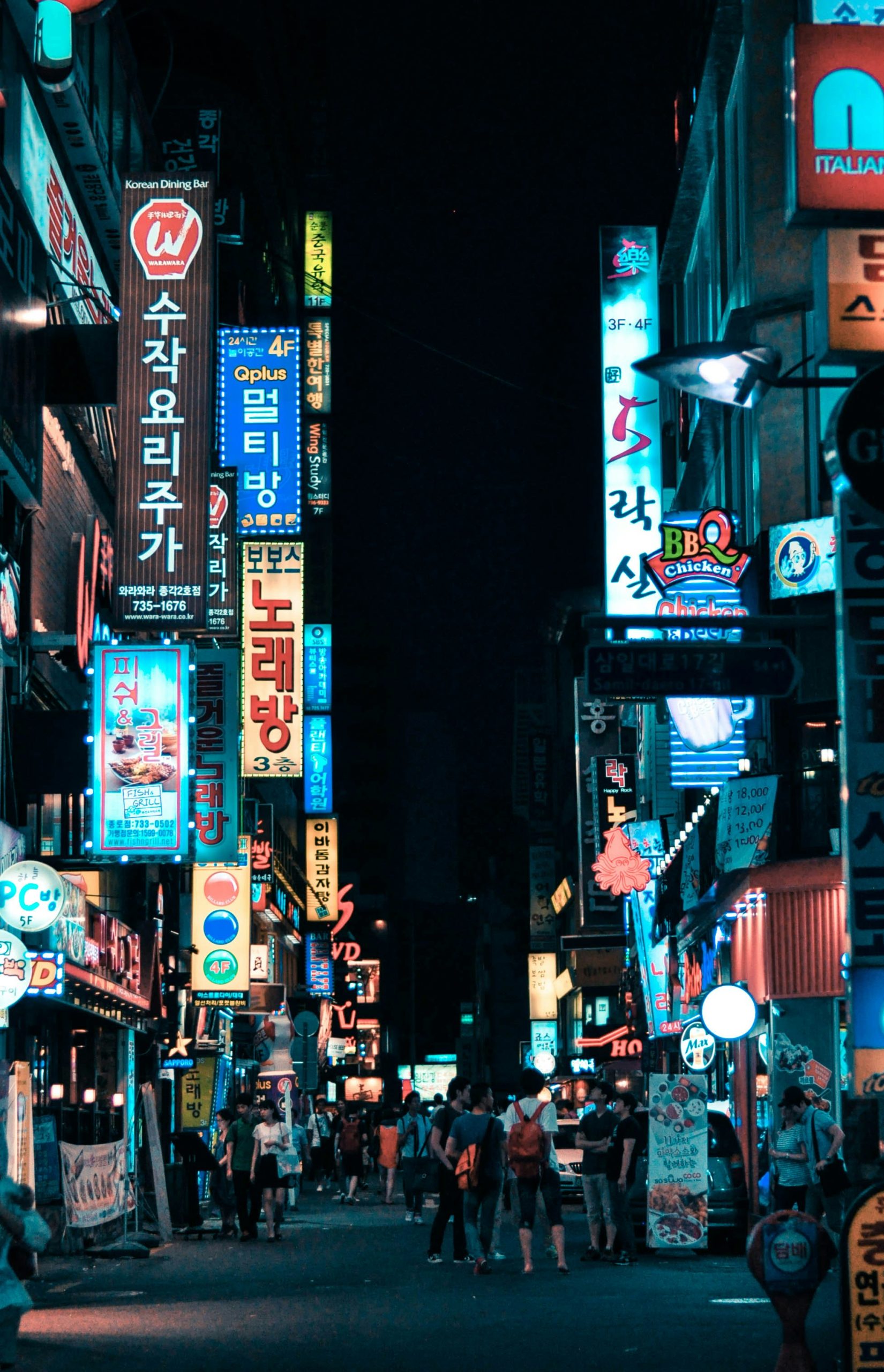
I’ve spent months studying K-pop choreographies on YouTube, dreaming of the day I’d finally see Seoul. When I discovered hoptraveler.com, I found exactly the kind of practical, budget-savvy travel guides I needed—tips like flying between January and March to get the best deals, taking the AREX train from the airport instead of expensive taxis, and using free walking routes to explore neighborhoods. If you’re planning to explore beyond the capital, don’t overlook the fast and affordable Busan Seoul train connection for a seamless second city adventure. I’d learned how to save money on transportation and food, which meant more to spend on, well—more food. And in Seoul, that’s a dangerous, delicious spiral.
Day One: Welcome to the Caffeine-and-Kimchi Capital
My first morning in Seoul began with a rude awakening from my own stomach. Jet lag had turned me into a zombie with a grumbling void where breakfast should be. Kimchi, beancurd, beansprouts, and something I couldn’t identify but ate anyway. She didn’t speak English; I didn’t speak Korean. But when she gestured at the kimchi and nodded approvingly, I felt like I’d passed some secret test.
This, I realized, was the heart of Korean food culture: generous, communal, and completely indifferent to your ability to use chopsticks properly (which, spoiler alert, I cannot).
I spent the morning at the iconic KBS broadcasting station, part of a K-pop city tour that hit the must-see locations where countless K-pop stars had launched their careers. Standing outside the building where idols had nervously waited for their first live performance, I felt a ridiculous surge of secondhand stage fright. I took a selfie with the KBS sign, pretending I was about to go on air. A passing security guard gave me a look that said, “Ma’am, please move along.”
My lunch stop was Yoojung Sikdang, the humble Gangnam restaurant that had become part of BTS’s origin story. During their trainee years, the members ate there daily when their practice studio was in the basement below. The owner, Kang Sun-ja, had become a maternal figure to them and even appeared in their 2013 reality show. The rice crackled in the hot stone bowl as I mixed in the gochujang, creating a glorious, spicy chaos. For a moment, I imagined Jungkook sitting right here, struggling with the same stubborn bits of scorched rice. Then I remembered I was a 32‑year‑old travel writer and should probably act my age. I did not act my age.
Afternoon: Dance Like Nobody’s Watching (Because They Aren’t)
I had booked a K-pop dance class at Rawgraphy Studio in Hongdae, a one-day session for beginners. The class ran 1 hour and 30 minutes, with 10 minutes for stretching and 1 hour and 20 minutes to learn the choreography step by step. I arrived feeling confident. I left feeling like a newborn giraffe asked to perform a military drill.
The instructor, a young woman with perfect posture and a face that had never known a carb, demonstrated the first eight counts. It looked simple. It was not simple. My arms flailed in directions they had never traveled before. At one point, I spun left while my feet went right, and I bumped gently into a teenager from Japan who kindly pretended it didn’t happen. By the end, I had learned exactly one move correctly—and even then, I think the instructor was just being nice.
But here’s the thing: everyone was terrible together. We laughed, we stumbled, we high‑fived when someone finally nailed the shoulder isolation. I left with a routine I’ll never perform in public, a few new muscle memories, and the kind of trip story that beats another temple photo. And a desperate need for fried chicken.
Evening: The Great Korean BBQ Adventure
Korean BBQ is a must‑try experience for a true showcase of Korean flavors. But let me tell you, it’s also a high‑stakes performance that tests your friendships. I’d read the guides: don’t grill the meat too soon, don’t over‑flip it, and don’t overload your lettuce wrap. I managed to break all three rules within five minutes.
The restaurant was a bustling place in Gangnam with charcoal grills built into the table. The meat arrived raw and glistening, and I grabbed my tongs like a surgeon about to perform open‑heart surgery. I slapped the pork belly onto the grill, where it immediately stuck and began smoking dramatically. My friend, who had wisely chosen to let me handle the grilling, watched with the quiet horror of someone realizing their mistake.
“You’re supposed to wait until the grill is hot,” she said.
“It is hot!” I protested, as a small flame erupted.
The waiter appeared out of nowhere and rescued the situation with the practiced ease of a firefighter. He showed me how to flip the meat gently, how to cut it with scissors (because Korean BBQ comes with scissors, which felt both dangerous and delightful), and how to wrap a perfect ssam—a lettuce leaf with meat, rice, garlic, and ssamjang (a thick, spicy paste). I followed his instructions carefully.
My first wrap exploded on contact with my mouth. Sauce dripped down my chin. A piece of garlic flew across the table. My friend sighed and handed me a napkin.
“You’re doing great,” she said, not very convincingly.
But the meat was incredible. The pork belly was crispy on the outside, tender on the inside. The galbi was sweet and savory, with a marinade that had clearly been perfected over generations. It’s communal, it’s messy, and it’s absolutely worth the embarrassment.
Late Night: Street Food and Soju Philosophy
After BBQ, we stumbled into the Myeongdong night market, where the streets had turned into a carnival of sizzling griddles and sweet smells. The soju went down smooth, then hit like a freight train. Between bites of fried chicken gizzards (which were far better than they sound), I found myself explaining to a group of Korean college students why a middle‑aged American woman was attempting to learn K‑pop dances. They found this hilarious. One of them taught me the proper way to pour soju—always with two hands, always for someone else, never for yourself. I filed this away for future reference, fully aware I’d forget it by morning.
Day Two: Palaces and Pancakes
I rented a hanbok, because when in Seoul, and shuffled through the palace grounds feeling like a time‑traveling K‑pop idol with terrible balance. A group of schoolchildren waved at me. I waved back, then tripped over my own skirt. The children thought this was the funniest thing they had ever seen. I was inclined to agree.
The vendor poured a dollop of freshly ground mung bean batter onto a sizzling griddle, mixed it with bean sprouts, and fried it into a thick, crispy pancake. She served it with a side of soy sauce and raw onion, and I ate it standing up, just like the locals do. It was salty, savory, and deeply satisfying—the kind of food that makes you close your eyes and make a sound you’d normally be embarrassed to make in public.
I bought an NCT keychain I didn’t need and spent twenty minutes in a wormhole‑themed photo zone, making faces that will haunt my Instagram feed forever.
Eating My Way to a Conclusion
As my flight lifted off from Incheon, I thought about everything I’d eaten: the crackling bibimbap, the smoky BBQ, the chewy tteokbokki, the sweet hotteok, the comforting banchan. And I thought about everything I’d done: the graceless dancing, the fangirling at KBS, the stumbling through palaces in a rented hanbok, the soju‑fueled conversations with strangers.
But the best experiences—those can’t be planned. They happen when you trip over your own feet in a dance studio, when you burn the first batch of pork belly at a BBQ, when you spill soju on your shirt and laugh about it with someone who doesn’t speak your language.
K-pop brought me to Korea. The food made me fall in love with it. And the people—the ajumma who fed me kimchi without a word, the waiter who saved my burning BBQ, the college students who taught me to pour soju—they made me want to come back.
The last thing I ate before leaving? A triangle kimbap from a convenience store, eaten on the airport train, because my budget was officially shot and my heart was officially full.
Would I do it all again? In a heartbeat. Preferably with a little less fire next time.
Also, cash is king for those late‑night stall visits. And if you lose your way in a hanbok, just smile and blame the choreography.
Would I do it all again? In a heartbeat. Preferably with a little less fire next time.
find these spots:
- Yoojung Sikdang – Gangnam’s holy shrine for BTS ARMY
- RAWGRAPHY Dance Studio – Hongdae’s dance home for beginners
- Geumdoeji Sikdang – Michelin‑recognized BBQ with star power
- Gyeongbokgung Palace – Free entry with a rental hanbok
- Kwangya@Seoul – SM’s metaverse retail wonderland in Seongsu
- Myeongdong Night Market – Street food heaven
- Gwangjang Market – The bindaetteok capital
final tip: Download Naver Maps immediately—Google Maps won’t cut it here. Also, cash is king for those late‑night stall visits. And if you lose your way in a hanbok, just smile and blame the choreography.
by E. WILLIAMS