



If you listen closely to the waves hitting the shore in Zadar, you will hear a sound that exists nowhere else on earth. It is not just the crash of the Adriatic Sea, but a melody, low, organic, and haunting. This is the Sea Organ, an architectural marvel that plays the ocean like an instrument. It’s the perfect metaphor for Croatia itself, a country that blends nature, history, and innovation.
In 2026, Croatia is not merely a “destination” you tick off a list; it’s a living stage. While iconic spots like Dubrovnik’s medieval walls and Plitvice’s turquoise lakes remain the headliners, the country is undergoing a fascinating shift.
Here is your guide to where to go, what to do, and most importantly, where to eat in the Croatia of 2026.
Where to Go: Beyond the “Game of Thrones” Trail
To see Croatia is to love its diversity. You have the dramatic limestone canyons inland and the sun-bleached Venetian architecture on the coast. For 2026, the best itineraries mix the classic with the unexpected.
1. The Plitvice Lakes & Krka National Parks
No trip is complete without visiting the country’s natural wonders. Plitvice Lakes National Park, a UNESCO World Heritage site, is a labyrinth of 16 terraced lakes connected by thunderous waterfalls. The water shifts color by the minute, from azure to emerald green to grey, depending on the minerals and organisms in the water.
However, 2026 brings a caveat: overtourism. Authorities are actively managing visitor traffic to protect these fragile ecosystems. You should book tickets well in advance and consider visiting in the late afternoon or during the shoulder season (May or September) to avoid the “Disneyland” queues.
Further south, Krka National Park offers a similar vibe but with a twist. Unlike Plitvice, Krka historically allowed swimming in certain areas, making it a refreshing summer option, though regulations shift seasonally, so checking the official park rules is essential.
2. The Dubrovnik Shift
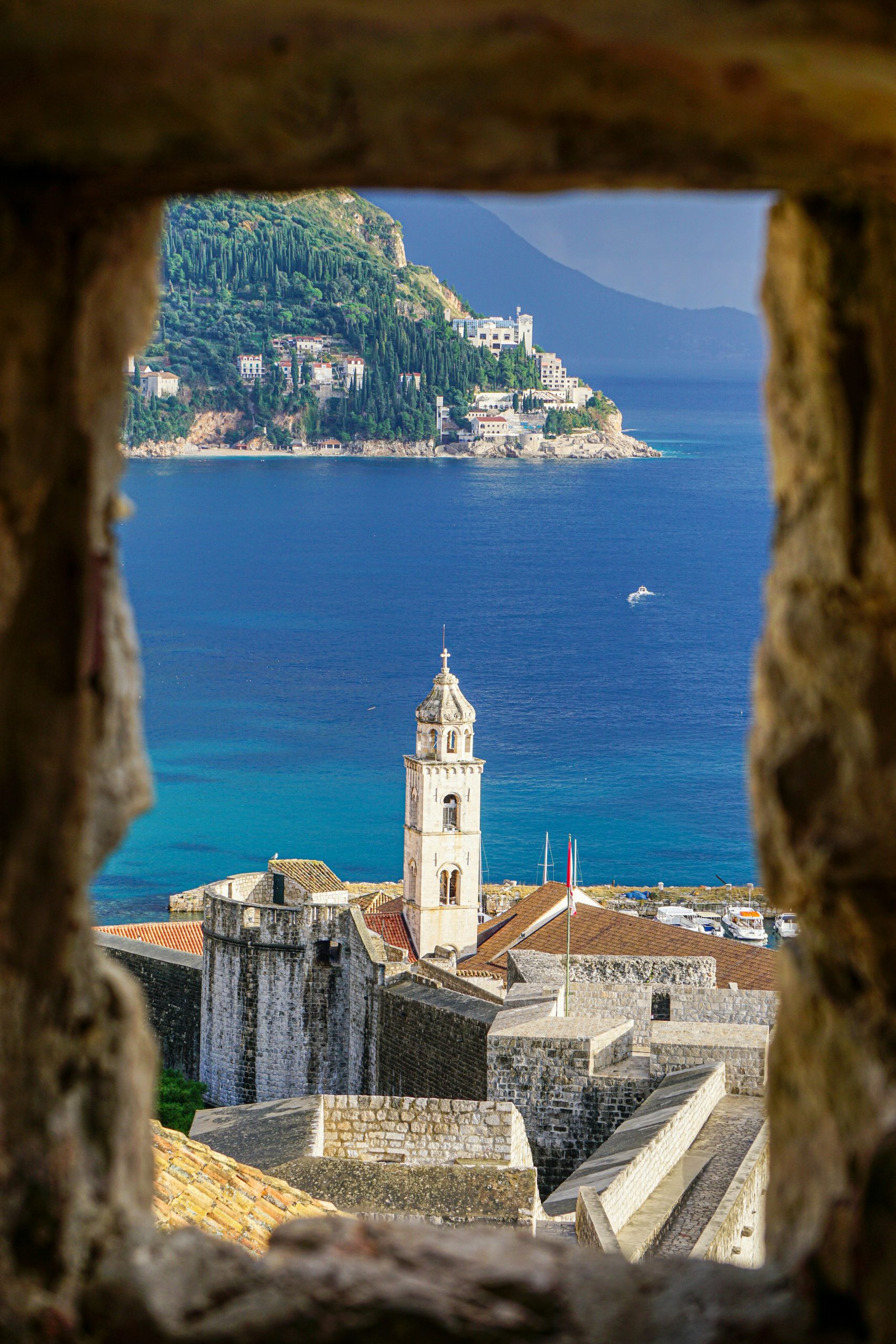
Yes, the “Pearl of the Adriatic” is stunning. Walking the 1,940-meter-long city walls gives you a view of red rooftops and the shimmering sea that George Bernard Shaw famously described as heaven on earth. However, savvy travelers in 2026 are using Dubrovnik as a base, not a cage. Instead of fighting the cruise ship crowds on the Stradun at noon, take the cable car up Mt. Srđ for sunset, or take a 15-minute ferry to Lokrum Island, a lush nature reserve with peacocks and an abandoned monastery where you can swim in a “Dead Sea” lake.
3. The Istrian Peninsula (The New Tuscany)
In the northwest, Istria is stealing the spotlight. Towns like Rovinj feel more Italian than Croatian, with pastel-colored houses clustered on a peninsula pointing toward the sea. But the real reason to come here is the food, especially truffles and olive oil. The interior is so rich with gastronomy that tour operators are increasingly focusing on cycling through vineyards and forest trails to hunt for truffles.
4. The Kornati Archipelago (For the Sailors)
If you want to see the Croatia that cruise ships can’t reach, you go to the sea. The Kornati Islands, 89 of them, rise out of the water like white lunar rocks against the deep blue. This is a paradise for private charters and sailors. As one travel expert noted, this is the destination for “discerning yacht travelers” seeking serenity and untouched anchorages.
What to Do: Active Adventures and Sensory Experiences
The days of passive tourism in Croatia are fading. 2026 is about doing.
Walking, Hiking, and Kayaking
Tour companies like Exodus are revamping their 2026 tours to focus on “active discovery.” Instead of just driving between cities, travelers are hiking the northern lakes and islands like Cres and Krk, kayaking the calm waters off the island of Korčula, and cycling the Parenzana trail through the Istrian countryside. The Paklenica National Park, a dramatic canyon on the Velebit mountain range, is becoming a mecca for rock climbers and serious hikers who want to escape the coast for a rugged interior adventure.
The Sea Organ & Greeting to the Sun
In Zadar, you don’t just watch the sunset, you listen to it. The Sea Organ, designed by Nikola Bašić, uses underwater tubes to create random harmonic sounds based on the waves’ movement. No two performances are ever the same. Next to it, the “Greeting to the Sun” is a solar-powered light installation that creates a wild light show as dusk falls.
Game of Thrones & Reality
While the fervor has cooled, the legacy remains. Visiting Fort Lovrijenac in Dubrovnik (the “Red Keep”) or the Minčeta Tower is still a surreal experience for fans. However, the trend in 2026 is to blend the fantasy with reality, visiting the filming spots in the morning and then snorkeling in the clear waters below the fortress in the afternoon.
Where to Eat: A Gastronomic Revolution
For a long time, Croatian food was simply “good,” but it wasn’t a destination. That has changed. In 2026, Croatia is a foodie frontier.
The Rise of Gault&Millau
The global gastronomic guide Gault&Millau has launched its first edition dedicated specifically to Zagreb and its surroundings. This is a strong signal that the capital is now a culinary heavyweight. The guide covers 100 venues, from high-end restaurants to POP bars and patisseries.
Eating in Zagreb
Zagreb is moving beyond “gablec” (the traditional daily lunch special) into innovation. While you should absolutely visit the open-air Dolac Market to buy fresh cheese and lavender from local farmers, the city is now home to award-winning chefs who are reinterpreting continental Croatian cuisine. The “Green Horseshoe,” a U-shaped system of parks in the Lower Town, is surrounded by beautiful terraces perfect for people-watching over a glass of local Graševina wine.
The Coastal “Konoba” Experience
However, the soul of Croatian dining remains in the konobas, family-run taverns tucked into hillsides and harbors.
- Skradin (Near Krka): You must try the legendary Skradin Risotto. This is not the black squid-ink version you expect, but a creamy, golden risotto made with veal slow-cooked for up to ten hours. It’s often called a “masterpiece of patience.” Follow it with the 14th-century Skradin Cake (walnuts, almonds, honey, chocolate).
- Ston (Pelješac Peninsula): Famous for its salt pans and shellfish. The oysters here are farmed in the crystal-clear Mali Ston Bay and are often described as the best in the Mediterranean. You can eat them right at the source, looking over the ancient salt works.
- Hvar & Korčula: Look for the “Peka” (a slow-cooked dish under an iron bell) and fresh Adriatic tuna. While Hvar has glamorous nightlife, the real magic is a simple grilled fish on a dock in Stari Grad.
Practical Tips for 2026
- Getting Around: While renting a car is great for Plitvice, it can be a liability for island hopping (car ferry fees are high). Use fast catamarans like Krilo or Jadrolinija to hop between Split, Hvar, Korčula, and Dubrovnik.
- Virtual Planning: The Croatian Tourist Board now offers 63 VR 360 virtual walks on the “Explore Croatia” app. You can “walk” the streets of Dubrovnik or the trails of Plitvice from your couch to plan your route or avoid areas that look too crowded for you.
- Connectivity: If you get lost or need a restaurant recommendation in Zagreb, you can simply dial 080-53-53. The Zagreb Tourist Board offers a free helpline in multiple languages.
- Footwear Warning: Do not forget water shoes. You’ll see many tourists slipping painfully on the famously smooth, pebbly beaches of the Adriatic.
In 2026, Croatia is proving it’s not just a pretty face. It’s a country balancing the preservation of its natural wonders, managing overtourism at Krka and Plitvice, with the warmth of its hospitality. Whether you’re walking the walls of “King’s Landing,” listening to the ocean play its song, or digging a fork into a 10-hour risotto, Croatia touches all five senses. It truly is the land of everything.
by NANCY FRIDMAN