



Let me tell you about the morning I realized I’d been doing it all wrong.
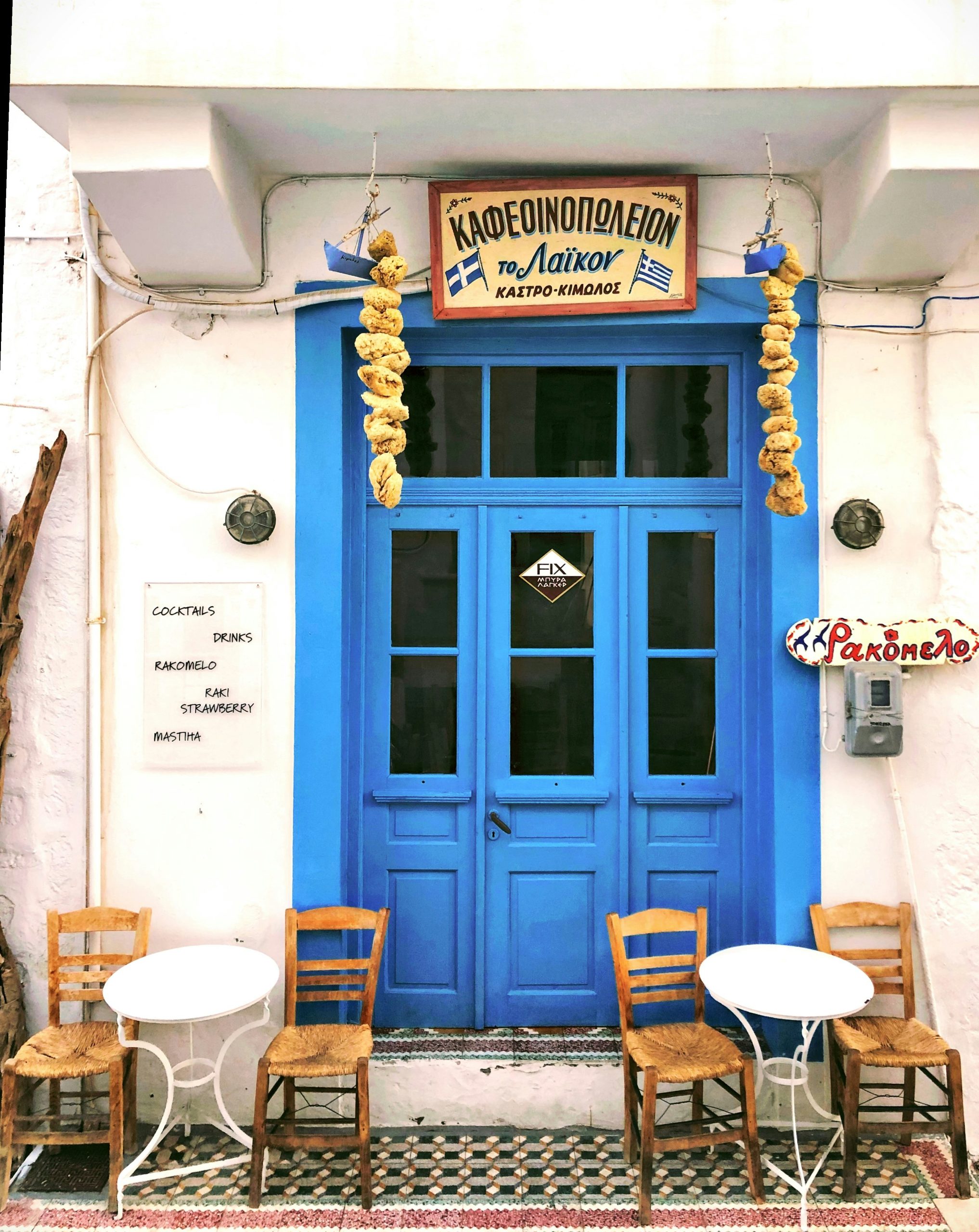
I was sitting in a tiny plateia in Poligiros, a mountain village in central Greece that most tourists have never heard of, sipping a €1.50 Greek coffee and watching old men play backgammon. The woman running the kafenio brought me a plate of fresh melomakarona—honey cookies—without me asking. “For you,” she said in broken English. “Enjoy.”
The whole thing cost less than a sad sandwich at an airport. And that’s when it hit me: the real secret to eating like a king isn’t about finding the cheapest city. It’s about finding the villages where no one’s thought to raise the prices yet.
The War Changed Everything (Again)
Here’s what I learned traveling through Greece in spring 2026. The Middle East conflict isn’t just news, it’s reshaping where people go and what things cost.
Countries like Egypt, Jordan, Israel, and Lebanon have seen tourism drop as travelers avoid anything near instability. Even Turkey and Cyprus felt the ripple effects. Tourists are uneasy about the Eastern Mediterranean, about airspace disruptions, about being too close to something unpredictable.
But here’s the odd upside in all this: places like Portugal, Spain, Italy, and Croatia are booming, with Portugal seeing a 21% jump in flight bookings this year. And quieter Greek destinations? They’re quieter than ever.
Which means right now— summer 2026—is the perfect time to slip into the gaps and eat like royalty while everyone else fights over the same overpriced tables.
The Villages Nobody’s Talking About (But Should Be)
Poligiros: Where the Mountains Meet Your Plate
Let me start with Poligiros because it changed how I think about Greek travel.
This isn’t an island. It’s a mountain town in Halkidiki, about an hour from Thessaloniki, and it has absolutely nothing you’d find in a “Greek islands” Instagram feed. No whitewashed cliffs. No sunset catamarans. No crowds of influencers chasing the same photo.
What it has is better: authenticity at prices that feel almost mistaken.
I stayed in a family-run guesthouse for €25 a night. The room was simple—clean bed, hot shower, window overlooking the hills—but the hospitality was five-star. The owner’s mother kept appearing with plates of food. “You eat,” she’d say. “Too skinny.”
Dinner at a local taverna cost €12 for a full meal—grilled meat, fresh salad, bread, wine. The same meal in Mykonos would have been €40, easily. And here’s the thing: the food was better here. Not “good for the price” better. Actually, genuinely better. Because the ingredients came from down the road, not off a ferry.
The town itself is small and walkable, with cobblestone streets and stone houses with wooden balconies. Just outside town, there’s a forest called Koutsoukies where you can hike for an hour through pine trees and come out to views of the surrounding mountains. Free. No entrance fee, no ticket booth. Just a path and the smell of pine and wild herbs.
For solo travelers or anyone craving real quiet, Poligiros is a revelation. The safety index is high, crime is low, and the biggest danger is overeating.
Skala Eressos: The Beach Village That Time Forgot
If Poligiros is mountains, Skala Eressos is the sea—but not the sea you’re picturing.
This village on the island of Lesbos has a three-kilometer beach that’s mostly empty, even in summer. The streets nearest the sand are closed to cars, so you can walk without watching for traffic. Kids can run. You can sit at a café with a bamboo roof stretching over the sand and watch the Aegean do its thing.
But the food. Let me tell you about the food.
Because Lesbos isn’t a tourist island like Santorini, the seafood here is plentiful and cheap. The fishing boats dock in the small harbor and sell their catch straight to the tavernas. I ate grilled red mullet for €10 that had probably been swimming six hours earlier. Sardines, shrimp, tuna, swordfish—all fresh, all affordable.
A local place called The Blue Sardine became my regular spot. The owner, Kostas, makes his own tsipouro (the Greek version of grappa) and serves it after dinner without asking. “Is tradition,” he said when I tried to refuse. “You drink.”
The village also has a spring-fed lake just a short walk from town, full of turtles that eat bread from your hand. Children save leftover bread from lunch and bring it to the lake. The turtles swim right up. It’s the kind of simple, magical thing that doesn’t happen in places overrun with tourists.
A one-bedroom apartment here runs around €550 a month if you’re staying long-term, but short-term visitors can find deals for much less, especially if you avoid July and August. The island connects to the mainland by ferry from Piraeus—about eight hours, but the journey is part of the experience.
A Quick Note on Chios
I didn’t spend as much time on Chios as I wanted to, but what I saw convinced me it belongs on this list. The island is known for mastic gum—a resin produced only here—and the southern “Mastichochoria” villages control 70% of global production. It’s odd and specific and exactly the kind of thing you stumble upon when you stop chasing the famous places.
Restaurants here are cheap by European standards—€14 for an inexpensive meal, €46 for a full mid-range dinner for two. The island is genuinely safe, with low violent crime and a relaxed atmosphere. The main risk is boredom if you need constant stimulation. But if you want quiet, fresh food, and the feeling of discovering something before the crowds do? Chios delivers.
But Wait: What About Porto?
… But here’s why I started with Greek villages: because Porto is a city, but it thinks like a village when it comes to food.
Porto: Where City Energy Meets Village Prices
Porto is everything people love about Lisbon—the tiles, the river, the wine, the light—but without the inflated prices. While Lisbon’s tourism boom sent restaurant and hotel rates soaring, Porto stayed grounded. You can still find three-course meals for under €15 at traditional tascas. Guesthouses in the historic center often cost under €100 a night, many with rooftop terraces and river views.
I arrived in Porto by train from Lisbon—a three-hour ride through countryside that made me regret every flight I’d ever taken. The city hit me all at once: the Dom Luís I Bridge spanning the Douro River, the colorful buildings of the Ribeira district stacked like painted blocks, the smell of grilled sardines and salt air.
Here’s what I ate in Porto and what it cost:
The Francesinha: Porto’s signature dish is not a sandwich so much as a challenge. Two slices of bread stuffed with layers of meat, topped with cheese, a fried egg, and a spicy beer-based sauce. Café Santiago serves one of the best for around €10-12. I couldn’t finish it. I’m not ashamed of that.
Pastel de Nata: The famous custard tarts cost €1 or less at local bakeries. Fábrica da Nata on Rua de Santa Catarina lets you watch them being made while you eat them warm, sprinkled with cinnamon.
Port Wine Tastings: Across the river in Vila Nova de Gaia, the port wine cellars offer tours and tastings starting at €10. For €4.50 at Calem, I got a glass of port and chocolate—a pairing I didn’t know I needed.
Lunch at a Tasca: The prato do dia (dish of the day) at a local spot runs €7-12 and includes soup, a main course, a drink, and coffee. I ate at A Sandeira do Porto, where the lunch menu was €6 and I left full and happy.
The Porto Budget Reality
Let me give you the hard numbers so you can plan.
A budget traveler in Porto can spend €210-300 for three days, including accommodation in a hostel dorm (€25-35 per night), prato do dia lunches, tasca dinners, and metro transport. Mid-range—which is what I did—runs €360-500 for three days: a 3-star hotel (€43-58 per person sharing a double), regular restaurant meals, and entry to all the major attractions.
The metro costs €1.40 for a central trip on an Andante card. You can also buy a Porto.CARD for €13-33 depending on duration, which includes unlimited public transport and attraction discounts.
But honestly? Porto is walkable. I barely used transit at all. The main sights are all within 2-3 kilometers of each other.
What to Do With Your Three Days
Here’s the itinerary I wish I’d followed:
Day One: Start in the Ribeira district, the oldest neighborhood along the river. Walk up to the Dom Luís I Bridge—cross on the upper level at golden hour for the view. Spend the afternoon at São Bento Train Station, which is free and covered in 20,000 hand-painted azulejo tiles depicting Portuguese history.
Day Two: Visit Livraria Lello, the bookstore that inspired parts of Harry Potter. Book tickets in advance—€10-12, redeemable against book purchases. In the afternoon, cross to Vila Nova de Gaia for port wine cellars. Sandeman, Graham’s, and Calem all offer tours.
Day Three: Morning at Mercado do Bolhão, the renovated market where locals shop for fresh fish, cheese, and produce. Afternoon bus to Foz do Douro, where the river meets the ocean—peaceful promenade walks and beach time.
The Best Time to Go
April to June and September to October are Porto’s sweet spots: good weather, fewer crowds, lower prices than summer peak. I went in May and the light was perfect—soft golden hours, warm afternoons, evenings cool enough for a jacket.
How War Made All of This Possible
I keep coming back to this because it feels important to say: the instability driving people away from certain destinations is the same instability making places like Poligiros, Skala Eressos, and even Porto more appealing.
Greece is still seeing strong tourism overall, with islands like Crete, Santorini, and Mykonos continuing to attract visitors. But the quieter places—the mountain villages, the less-hyped islands, the mainland towns—are emptier than they’d normally be this time of year. People are nervous. They’re staying closer to major airports. They’re choosing the familiar over the unknown.
And if you’re willing to be a little brave? To go where the crowds aren’t? You get to eat like a king while everyone else fights for reservations at overpriced restaurants in places that used to be special.
The war is terrible. I don’t mean to minimize that. But in the strange math of travel, it’s created pockets of quiet and value that won’t last forever. The tourists will come back eventually—to Poligiros, to Skala Eressos, to Chios. The prices will rise. The authenticity will fade.
Right now, in 2026, the window is open.
Where to Start
If I were you—if I were building this trip from scratch, trying to eat like royalty on a budget while avoiding the chaos—here’s what I’d do:
Fly into Thessaloniki. Take the bus to Poligiros for three days of mountain village life and €12 dinners. Then ferry to Lesbos for five days on the beach at Skala Eressos, eating fresh seafood and feeding turtles at the spring-fed lake. Finally, fly from Mytilene to Athens, then to Porto for a week of francesinhas, port wine, and river sunsets.
The whole thing, if you’re careful with accommodation and skip the tourist traps, can be done for under €1,500 for two weeks, including flights within Europe.
That’s not budget travel. That’s eating like a king while the market’s down.
And the best part? You won’t feel like a tourist. You’ll feel like someone who figured out the secret before everyone else.
by JOHN PAPPAS