




[ad_1]
CHRONIC WASTING DISEASE is a wildlife plague so unusual and novel that it baffles even consultants. It additionally ultimately kills practically each one among its hosts in excruciating and extended agony.
Somehow, this diabolical illness has turn into one among my common beats. I attempt to comply with updates from researchers and to report on new data that may assist wildlife managers and hunters perceive and reply to the rising data of its origins and implications. Along the best way, I’ve tried to search out slivers of hope within the analysis whereas additionally reminding hunters that CWD is the most important risk to our traditions of deer searching.
But all that conventional reporting is usually not impactful. I’ve come to comprehend that hunters don’t prefer to both obtain or reply to unhealthy information. It’s means simpler to perpetuate our conventional deer camp, or to maintain our trophy-buck administration program in place, or to dismiss the analysis into CWD as “junk science” than it’s to acknowledge that power losing illness will—in the end—affect the best way we hunt deer in North America.
It may additionally affect our personal well being. While there’s no proof that people can turn into contaminated with CWD, it’s a member of what are known as transmissible spongiform encephalopathies (or TSEs) that embrace Mad Cow Disease in Britain and a brain-wasting illness known as Creutzfeldt-Jakob Disease that may infect people.

Part of the issue with speaking the urgency of CWD is that its science is dense and sophisticated. The illness is attributable to a bent protein, known as a prion, that isn’t alive however which may infect deer or elk that are available contact with it via licking a department or sniffing a butt. But curiously not each deer (or elk, caribou, or moose; the illness impacts all members of the deer household) will get contaminated. Another complication is that transmission is invisible. And the illness’s impacts are additional obscured by the truth that CWD-infected deer and elk, whose brains are being worm-eaten by this rogue protein, usually die from one thing else. They’re hit by vehicles or killed by predators or die of dehydration as a result of they’ve been remodeled into hollow-eyed hulls.
Compounding all these issues is the truth that science is usually nuanced. There is usually not a single reply to a easy query. Conclusions about CWD’s causation, distribution, and prevalence are certified by margins of error and statistical uncertainty. The scenario is additional muddied by the corrupting affect of revenue. Commercial deer farms are a repository for CWD, and whereas the trade has helped advance our data of the illness and its transmission, deer farmers have been immune to laws designed to maintain our wild herds wholesome.
But in case you discuss to sufficient CWD researchers, and hear carefully, they usually have much more to say in regards to the illness than their science—or supervisors—enable. Some of them have wild fantasies about how our deer herd will get well, and others are keen to share their opinions about whether or not the illness may infect people, however none of them are keen to touch upon the report.
What you’re going to learn right here is essentially the most speculative, and poorly attributed, story you’ll possible ever examine power losing illness. But it additionally could also be a very powerful, as a result of that is what CWD researchers, protected by anonymity and free from their requirement to defend their positions, need you to know. These are outtakes from a sequence of interviews, or they’re the hushed revelations shared in a bar on the finish of knowledgeable convention.
But why publish a bunch of quotes and predictions if researchers received’t have their names printed alongside them? Because these views trace at the place CWD analysis is headed, how very far it nonetheless has to go, and why we must always care much more about its implications.
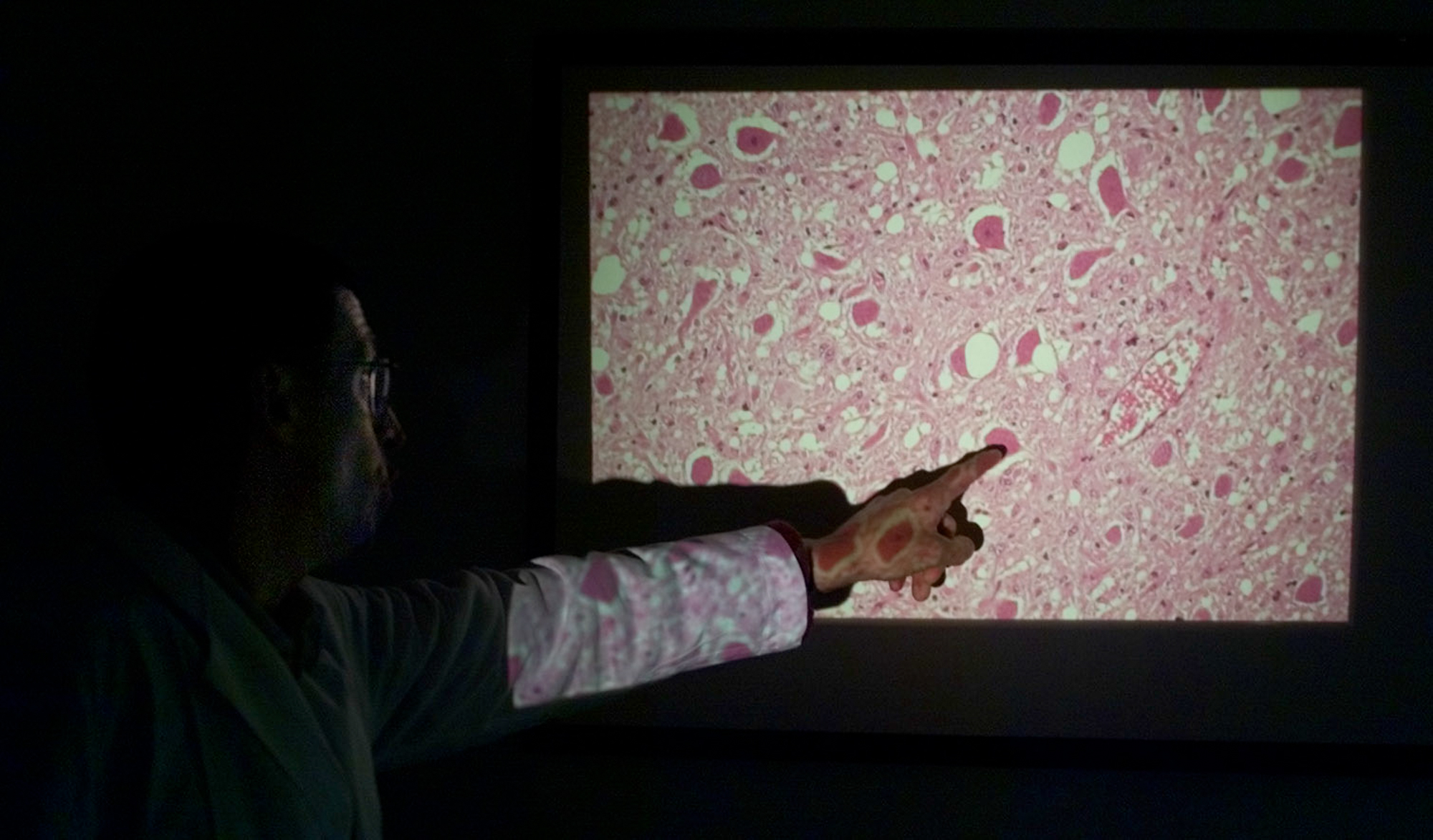
CWD Is Confusing
We have vaccines to guard us from smallpox and polio, and extra lately, immunizations for Covid-19 and evolving strains of the frequent flu. So why can’t we treatment CWD?
“Honestly, I don’t even know what we’re fighting,” stated one biologist in a second of candor. “I get that it’s a bent protein, but what is it? It’s not a virus or a bacteria. It’s not alive but it’s not really dead, either. And you can’t detect it until its host is dead. That doesn’t make any sense.”
If there’s no real looking hope for a treatment, there truly has been a great deal of work on detecting CWD in dwell animals, at the very least within the managed setting of business deer farms. Veterinarians have discovered that they will detect CWD in tissue punched out of a captured deer. They can even detect CWD in tissue taken from the rectum of a captive deer.
But getting a pattern from a wild dwell deer? That’s nonetheless years away.
“It’s actually pretty easy to get a sample from a captive deer, but that’s because they can be captured, tested, marked, recaptured, and then we can follow its disease progression inside a fence,” stated one other researcher. “Imagine doing all that with a wild deer. It could be done, I guess, but it would be so expensive and the sample size would be necessarily small because of the expense and hardship.”
“Until we learn how to efficiently and cost-effectively collect samples from wild animals then we’re going to be guessing which individuals have CWD and which don’t. There is some promising evidence that fecal testing can detect CWD in a wild population, but that doesn’t tell us which individual is infected.”
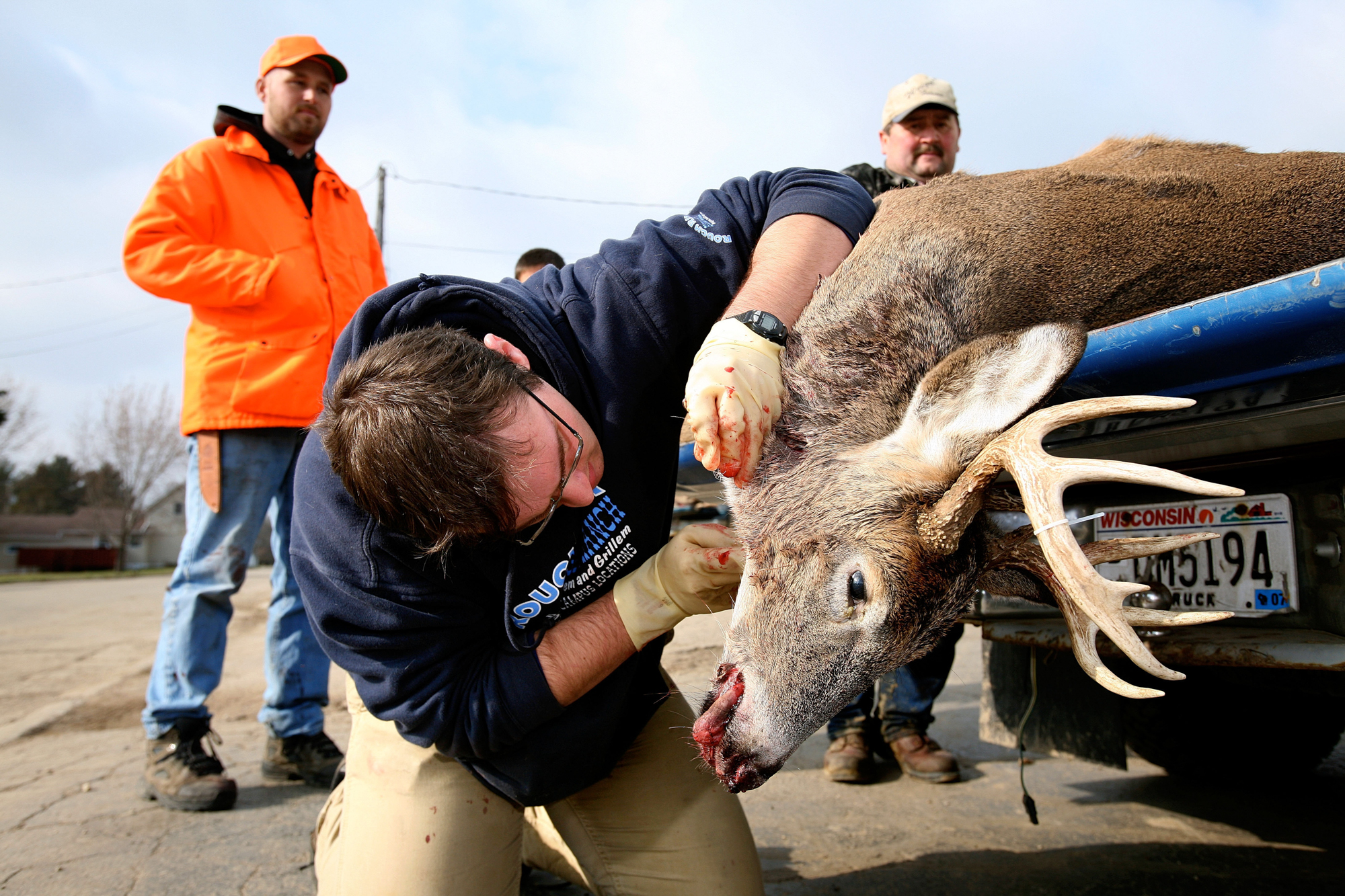
We May Be Killing the Wrong Deer
That sensible issue of recognizing diseased deer is vital to acknowledge, as a result of it impacts state recreation companies’ response to CWD. In some circumstances—Wisconsin involves thoughts—states have pursued an eradication coverage, aiming to kill each deer inside a sure radius from a illness outbreak. Other states have been extra restrained, aiming to kill a sure variety of deer to scale back densities and subsequently prevalence of the illness. But in both case, wholesome deer are being culled. And a few of these deer might have a pure resistance to CWD. So are we inadvertently eradicating a attainable answer with these remove-and-test operations?
“I’d be really unpopular for giving props to the game-farm industry, but one thing they’ve done pretty well is they’ve mapped and sequenced the genotypes of deer,” says one wildlife researcher. “That’s what you do if your business depends on selective breeding, right? The industry has screened tens of thousands of deer for unique genotypes and then tried to link them to resistance to CWD, and they have a handle on three or four [genetic] mutations that are pretty resistant. But in terms of knowing, or even guessing, genotypes of wild populations? We have no idea. So when you’re culling animals you always risk killing the golden goose, that one animal that might be the key to developing generational resistance.”
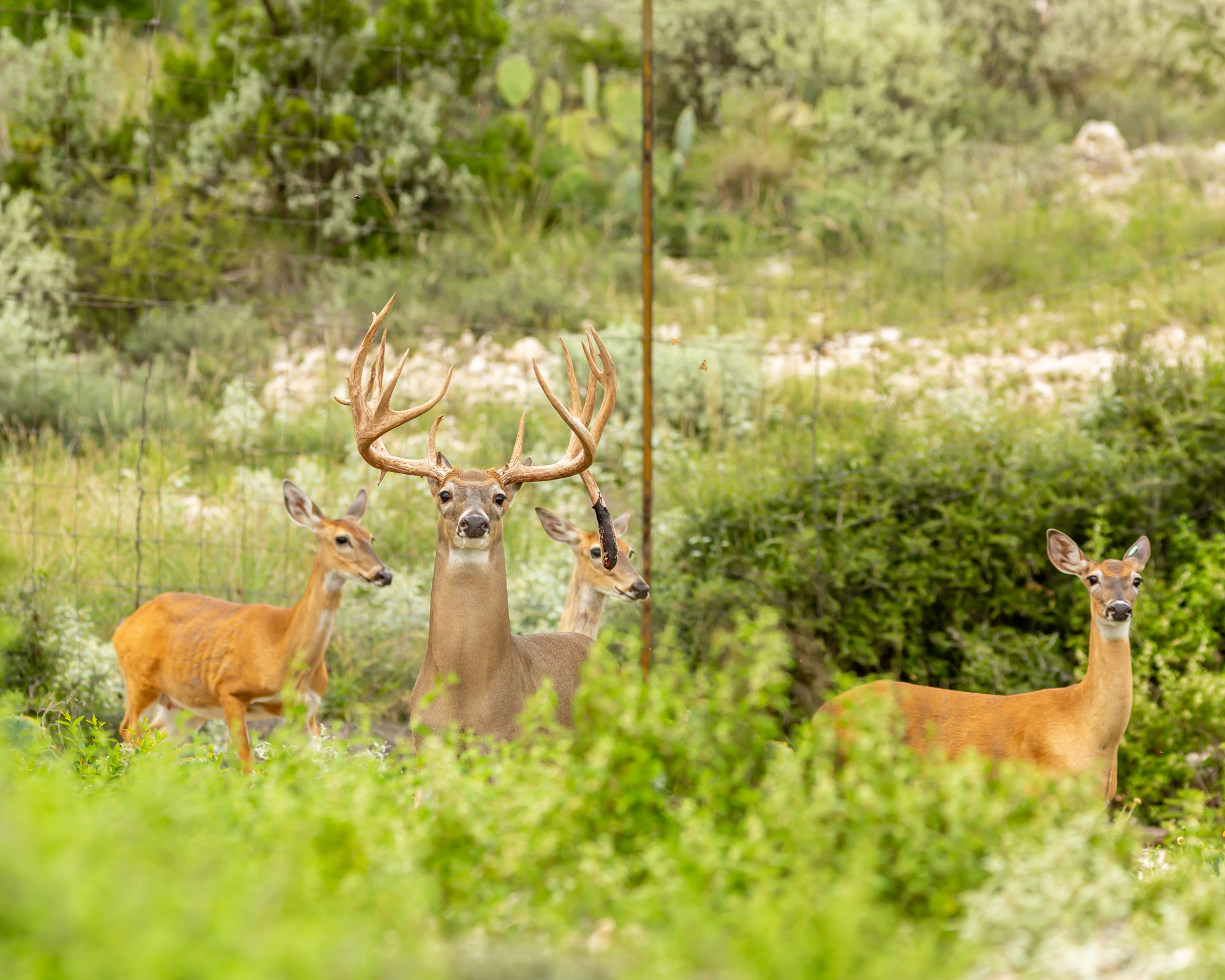
Many researchers examine CWD to sheep scrapie, a TSE that impacts home sheep and goats.
“Years ago they recognized there were some sheep that were fully resistant to scrapie,” stated one CWD researcher. “Agriculture being what it is, they selected those and effectively bred sheep scrapie out of the population by selective breeding. The deer farmers are doing the same thing. They will have some success. But in the wild setting? You have this bad deal where you have some hunters accidentally spreading it. You have populations [of animals] spreading it through normal migration, and there’s no eliminating it once you’ve got it.”
The researcher added what he known as a blasphemous statement.
“This idea of selective breeding might be a key to surviving CWD over the long term,” the researcher stated. “Stay with me here, but I can see a future where selective breeding for resistance could develop a strain of disease-resistant deer inside a captive population. If our wild deer are wiped out by CWD, then it could be that releasing these captive deer is the only way to return cervids to some landscapes.”
CWD Will Affect Deer Hunting
The researcher is suggesting that some deer and elk herds will probably be worn out by CWD. It’s already taking place in remoted herds of each mule deer and elk in Wyoming and Colorado, the place 20 p.c of the inhabitants dies yearly from CWD-related causes.
“Those places where we’re losing 10 to 20 percent of our deer populations every year to CWD? Those are the places with naturally low population dynamics, because there are so many environmental pressures, from predators to other diseases to poor habitat conditions or tough winters. Before CWD infected those herds, hunters were given about 10 to 20 percent of the surplus to hunt. If CWD is now taking that surplus, then the sportsmen lose out, because I don’t think any game agency wants to hammer these struggling populations so they’ll restrict human harvest, instead.”
Researchers have seen an attention-grabbing inhabitants dynamic which will inform how we handle CWD into the long run.
“Those populations with low recruitment, like those infected herds in Wyoming and Colorado, may just go away over the next couple decades, but other areas, like the agricultural land in Wisconsin, is showing that they can have a lot of CWD in their deer populations but they’re not seeing a major decrease in overall numbers,” the researcher stated. “What they are seeing is a decrease in older animals, and not just old bucks. Old does, too. Their age structure has really shifted down to where most of their population is very young. I think we’re going to have to adjust our expectations to be happy with shooting forkhorns.”
And elsewhere?
“I haven’t done these studies personally,” stated the researcher, “but people with fancy ecological modeling are looking at how long an infected population will take to have a herd rebuilt with genetically resistant animals. Their models are saying 50 to 100 years. It’s possible that we’ll see deer go away in our lifetimes. Maybe their recovery won’t happen in our lifetimes, but might happen in our children’s lifetimes. It’s going to happen so slowly in the wild because we can’t accelerate the change like we can in a captive environment. I’m all about wildlife doing what wildlife need to do without a lot of human intervention. But if you’re in the West and you’re used to hunting some of these marginal herds, then my best advice is to start getting used to hunting pronghorns.”
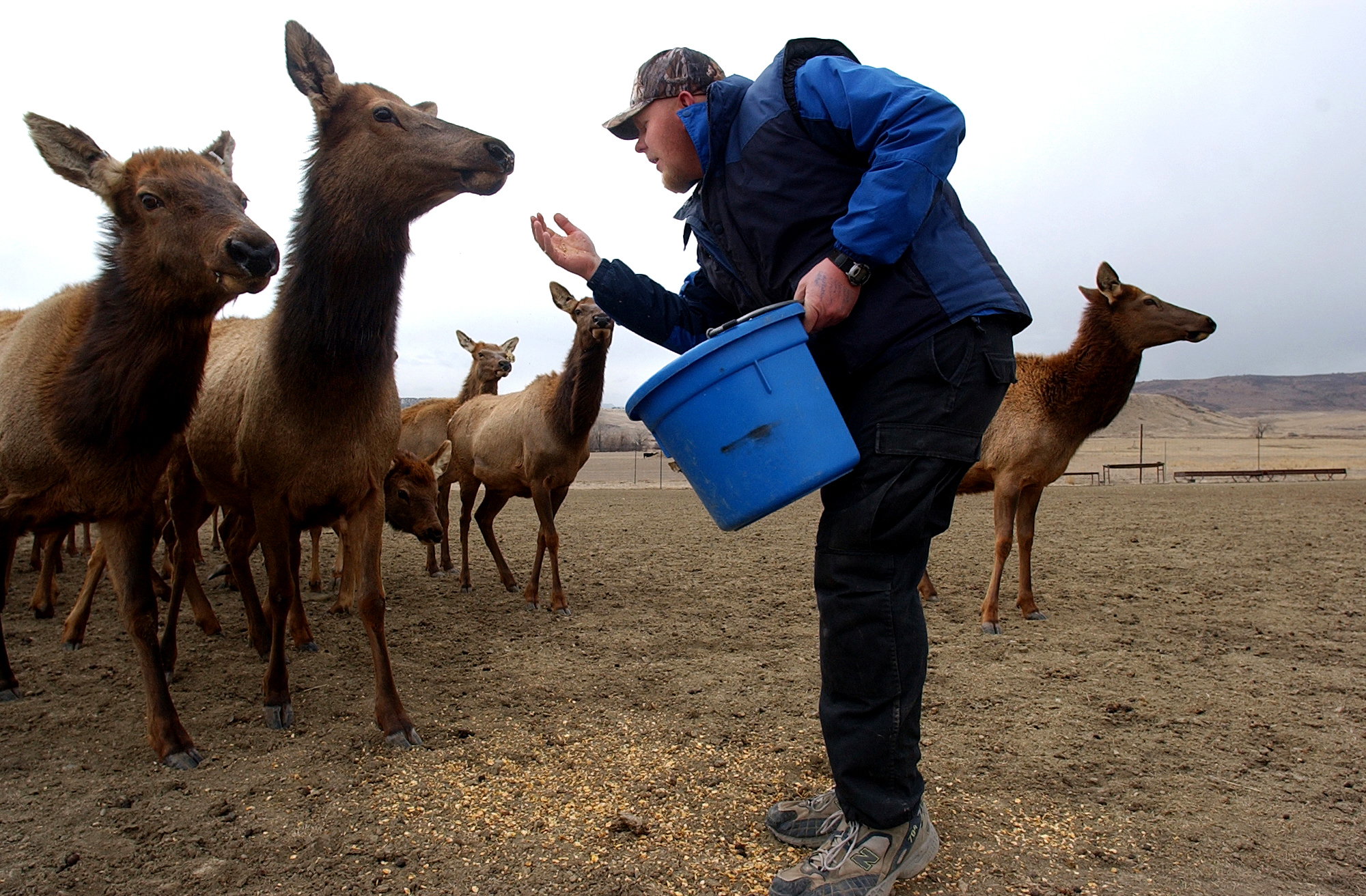
CWD Management Is Expensive
State companies are spending thousands and thousands of {dollars} on CWD monitoring, testing, and public data campaigns. Wisconsin spent $32 million in its first 5 years of combating the illness. Idaho spent $110,000 on CWD monitoring even earlier than the primary constructive case was detected final November. Many extra thousands and thousands are being poured into researching the illness. In many circumstances, states have been utilizing hunting-license accounts to cowl the work, however this yr Congress appropriated some $70 million for analysis in addition to administration and management efforts.
Some of these funds—to the tune of $9.4 million—was distributed to states and tribes simply final month. But there are proposals and analysis tasks that would simply eat the steadiness of the appropriation. When you take into account the scale and financial consequence of America’s $23 billion deer-hunting trade, funding tasks that may sluggish or cease this existential danger makes good financial sense.
“We have some research projects that are on hold simply because we don’t have the funding or the personnel to launch them,” stated one analysis advisor. “These are not small or quick studies. It can take years just to do the clinical work, and more years to determine our findings. Meanwhile, the CWD [distribution] map just gets more colors on it.”
Human Infection Is Still Unknown
“Our biggest victim of CWD, besides the deer themselves, is contributions to our Hunters For The Hungry program,” stated one wildlife supervisor who says uncertainty and concern about consuming probably contaminated venison has cratered donations to meals banks in her state. “A lot of processors have dropped out of the program because they don’t want to accept the expense of holding an animal until a clean test comes back or take the chance of processing and distributing a diseased animal.”
As for the underlying query of whether or not people are vulnerable to contracting CWD from diseased meat, the jury continues to be out, regardless of tons of analysis into the subject. Some researchers have gone as far as to inject folded prions from contaminated deer into the brains of analysis animals starting from monkeys to mice, and haven’t been capable of detect cross-species transmission. Others have discovered some transmission, however that research might have been flawed.
Most researchers say the present public-health advisory from the Centers for Disease Control is sound. It contains suggestions to not shoot sick deer, to put on protecting gloves when dealing with deer, to have animals examined for CWD earlier than consuming the meat, and to discard meat from an contaminated animal in an authorized landfill.
Proper Carcass Disposal Is Our Best Defense
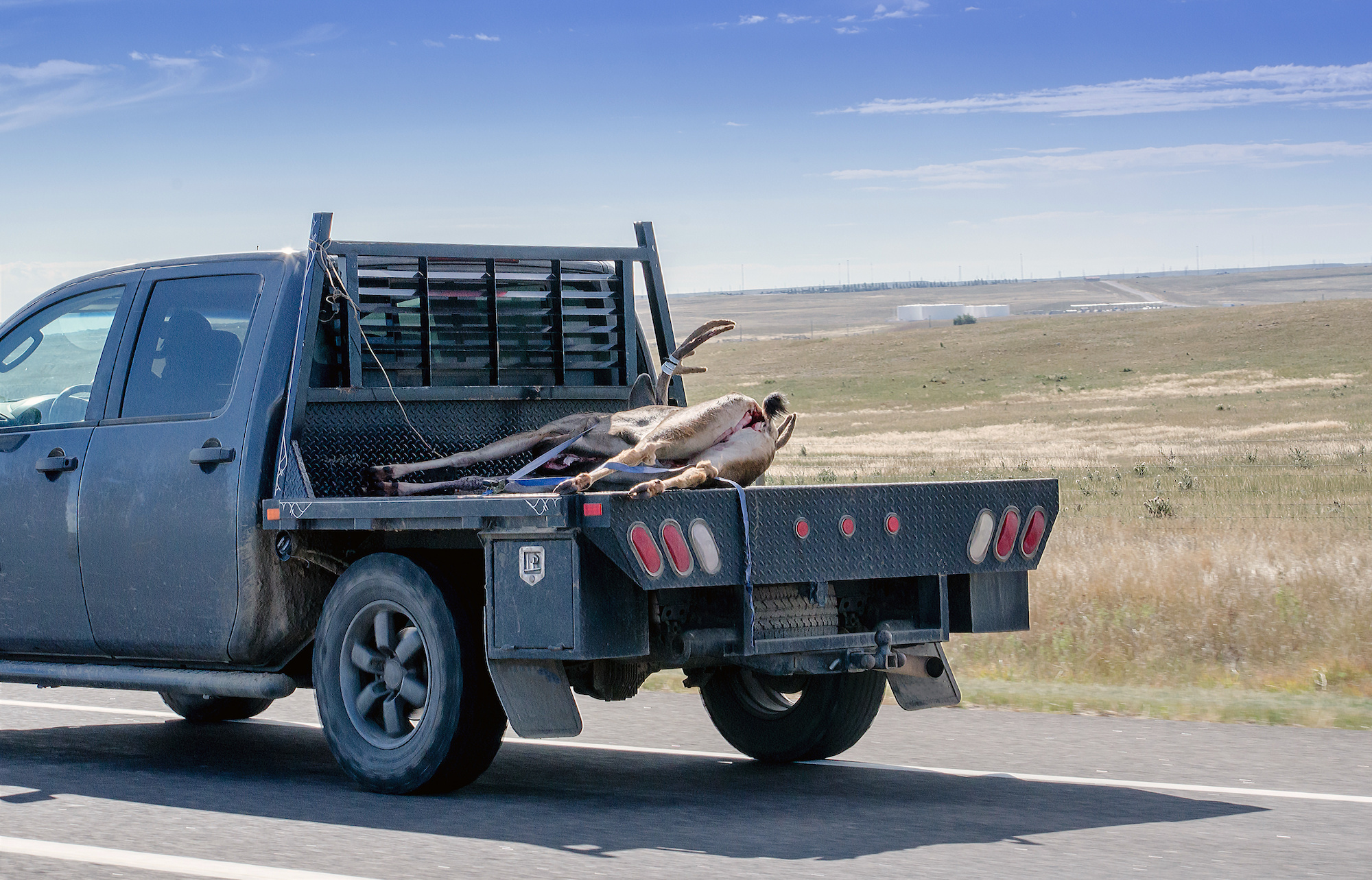
If there’s a whole lot of uncertainty and disagreement about detecting, slowing, or managing the unfold of CWD amongst scientists, there’s one level of vocal unanimity: hunters should assist comprise CWD by disposing of deer and elk carcasses correctly.
“I think there’s pretty wide agreement that CWD is spread by trucks,” stated one biologist. “Either the stock trailers that game farms use to haul live deer or the pickups that hunters use to haul dead deer.”
Each state has its personal guidelines governing carcass transport and disposal, however they usually share a number of particulars. Don’t transfer mind or nervous tissue from one space to a different. That’s doubly vital when transferring from a CWD endemic space to a state or place the place CWD hasn’t been detected, however it’s good apply anytime and in every single place. Don’t discard carcasses on the panorama. Instead, take them to a Class II landfill. And have your deer or elk examined for CWD. There are loads of assets the place you could find particulars about doing this your self or taking your harvest to a CWD testing station.
“Bottom line: there’s no getting rid of CWD once you have it in a population or on a landscape,” stated one wildlife supervisor. “Believe me, you don’t want it. But it’s ultimately up to hunters to hold the line.”
CWD Is Awful
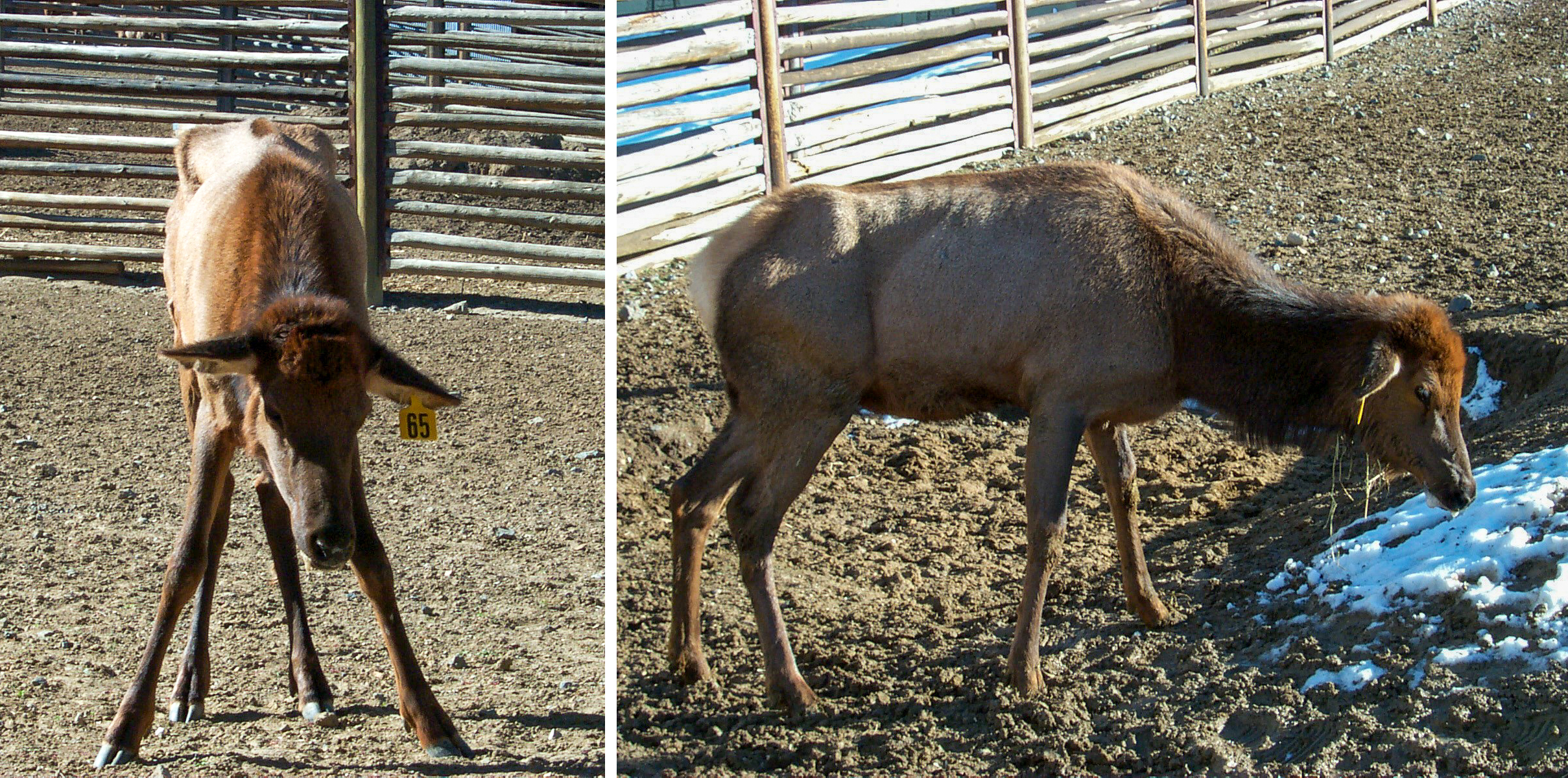
“Imagine watching your grandma with Alzheimer’s, and recording her transformation from a person into a ghost. Every. Single. Day. And you can’t help her or intervene. That’s what it’s like watching these deer die from CWD.”
That’s the day-to-day lifetime of a CWD technician in a significant analysis lab, observing and recording scientific indicators of the illness. Most hunters have by no means seen a deer within the remaining levels of CWD, as a result of they usually search solitude or are killed by secondary brokers earlier than most of us can observe their final days.
“I wouldn’t wish this on my enemies,” says the technician. “It’s like [these deer] are just gone while they are still alive.”
Read extra OL+ tales.
[ad_2]