




[ad_1]
Travis Olander 02.02.23

Bass fishing is a helluva lot of enjoyable. They’re aggressive, they put up a great struggle, they usually’re interested in loads of completely different bait and lures. But, new anglers – and even skilled anglers new to bass fishing – can simply combine up the variations between smallmouth and largemouth bass. Let’s examine these two recreation fish, discuss the variations and similarities, and go over ideas and tips for making your bass hunt a profitable one.
How to Tell Largemouth vs. Smallmouth Bass
Smallies and Largies (as they’re affectionately referred to) typically share the identical waterways and, until you’re fortunate sufficient to search out mature fish, each species can seem fairly related on the subject of size and weight. But there are telltale variations between the 2 species.
Mouth Size
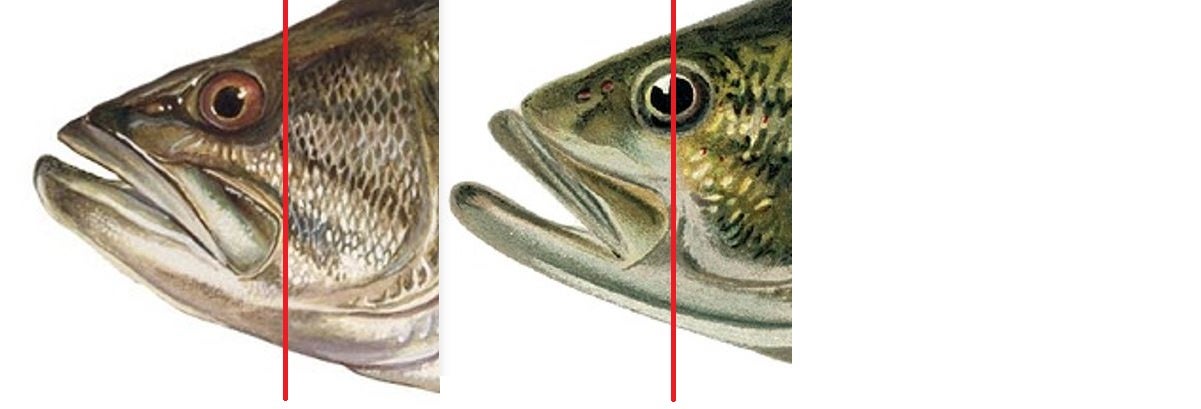
As the names suggest, Smallmouth Bass have smaller jaws than Largemouth Bass. The jawline on a Smallie sometimes ends simply earlier than or immediately beneath the attention. On Largies, the jawline extends effectively previous the attention.
Dorsal Fin

Largemouth Bass have a definite hole or notch within the dorsal fin, separating the entrance spiny phase from the swept, feathery rear. Smallmouth Bass have a much less distinct hole in the identical location, though the rear of its dorsal is almost similar to that of the Largie.
Colors, Spots & Stripes
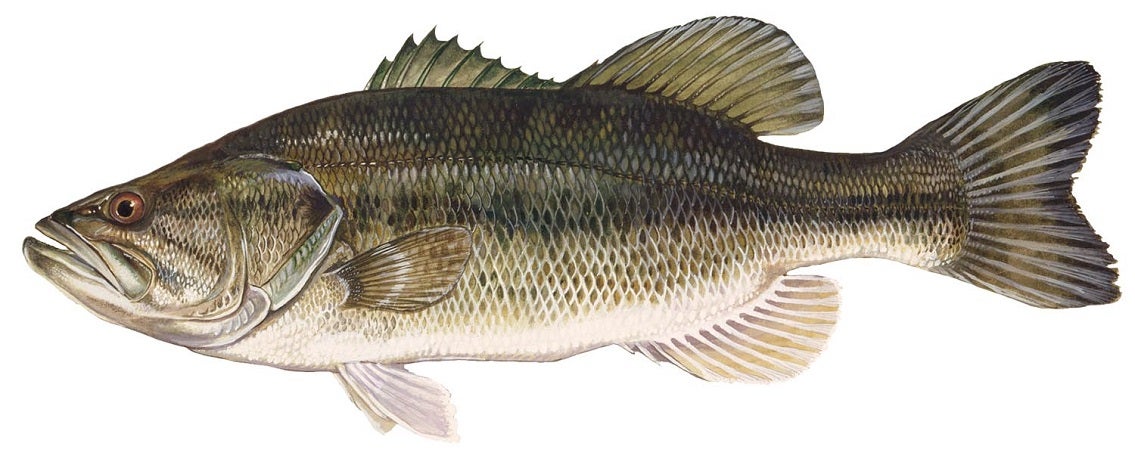
Largemouth Bass are additionally referred to as Green Bass or Black Bass due to their inexperienced hues and darkish, typically black splotches and spots. These markings type a horizontal band alongside the facet of their our bodies.
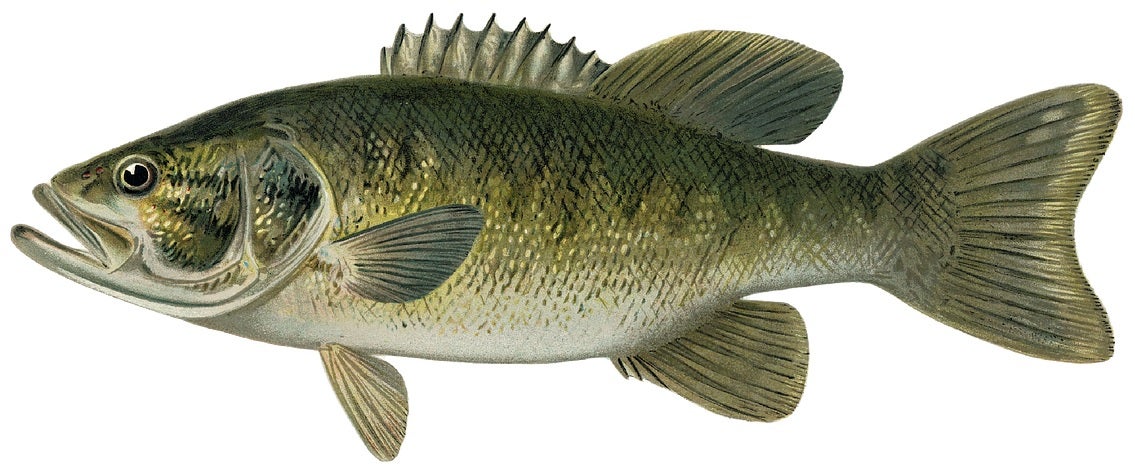
Smallmouth Bass also can have inexperienced hues, however extra typically they’re brown or bronze. This is why they’re typically referred to as — you guessed it — Brown Bass or Bronzebacks. A greater distinction is discovered within the Smallie’s sample: It has vertical stripes alongside the facet of its physique, which type darkish bands.
Size & Weight
At maturity, Largemouth Bass develop so long as 30″ and may weight as much as 20 kilos (the present world document stands at 22 kilos), however the common is 12 kilos. Smallmouth are likely to max out at about 20″ and common between 3 and 6 kilos, however giant trophies can attain 10 kilos. The Smallie world document stands at simply shy of 12 kilos.
Smallmouth Bass vs Largemouth Diet
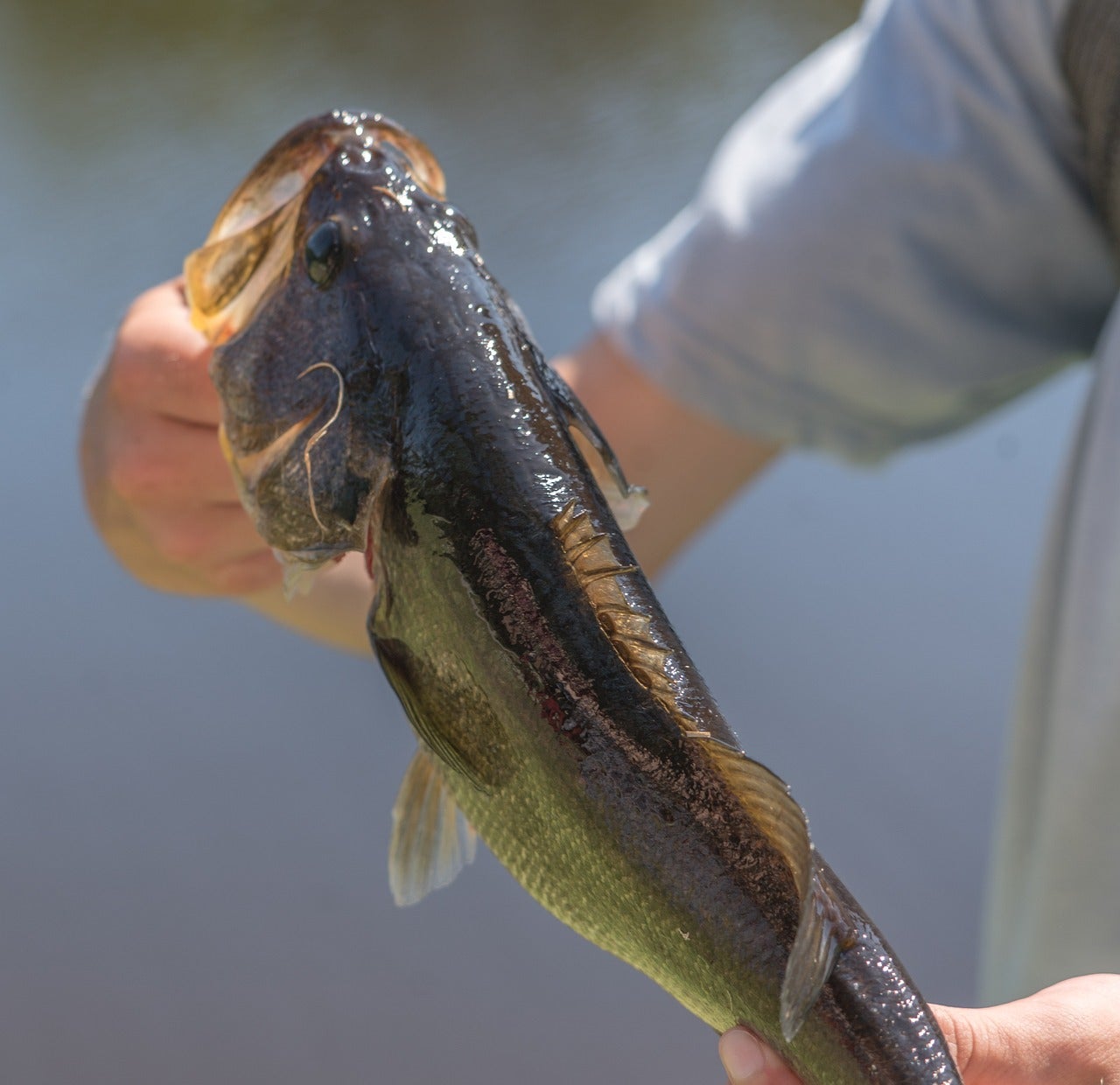
Both fish are carnivorous hunters, however Largemouth take full benefit of their anatomy: They can eat prey as much as 50% of their very own dimension. The Largie’s weight loss program is various, too. It eats all the things from small baitfish like Bluegill and Panfish, to snails, crays, frogs, snakes, salamanders, and in uncommon instances, even juvenile birds who’re unlucky sufficient to paddle into their territory. Smallmouth Bass eat small baitfish, too, however they’re dimension dictates a weight loss program that focuses extra on crays and bugs.
Smallmouth Bass vs. Largemouth Habitat
Largemouth Bass are extra plentiful in numerous waters. Largies can adapt effectively to altering temperatures. In reality, the species may be present in our bodies of water as far south as Florida, and as far north as Oregon or Maine. But, as a cold-blooded animal, Largemouth thrive extra in temperate waters. Largemouth Bass take pleasure in murky or turbid water that flows slowly, with typically little present. They like hanging out close to heavy vegetation, beneath tree shade, and amongst rocks and wooden. These spots present ample protection and concealment for stalking and putting prey.
Smallmouth Bass are pickier with their locales. They desire cooler, clearer waters that transfer quicker. That means they often desire gentle cowl and extra open water to swim freely. Of course, like all fish, they’ll run for canopy — vegetation, docks and piers, or rocky outcrops — once they really feel threatened.
When to Fish Smallies vs. Largies
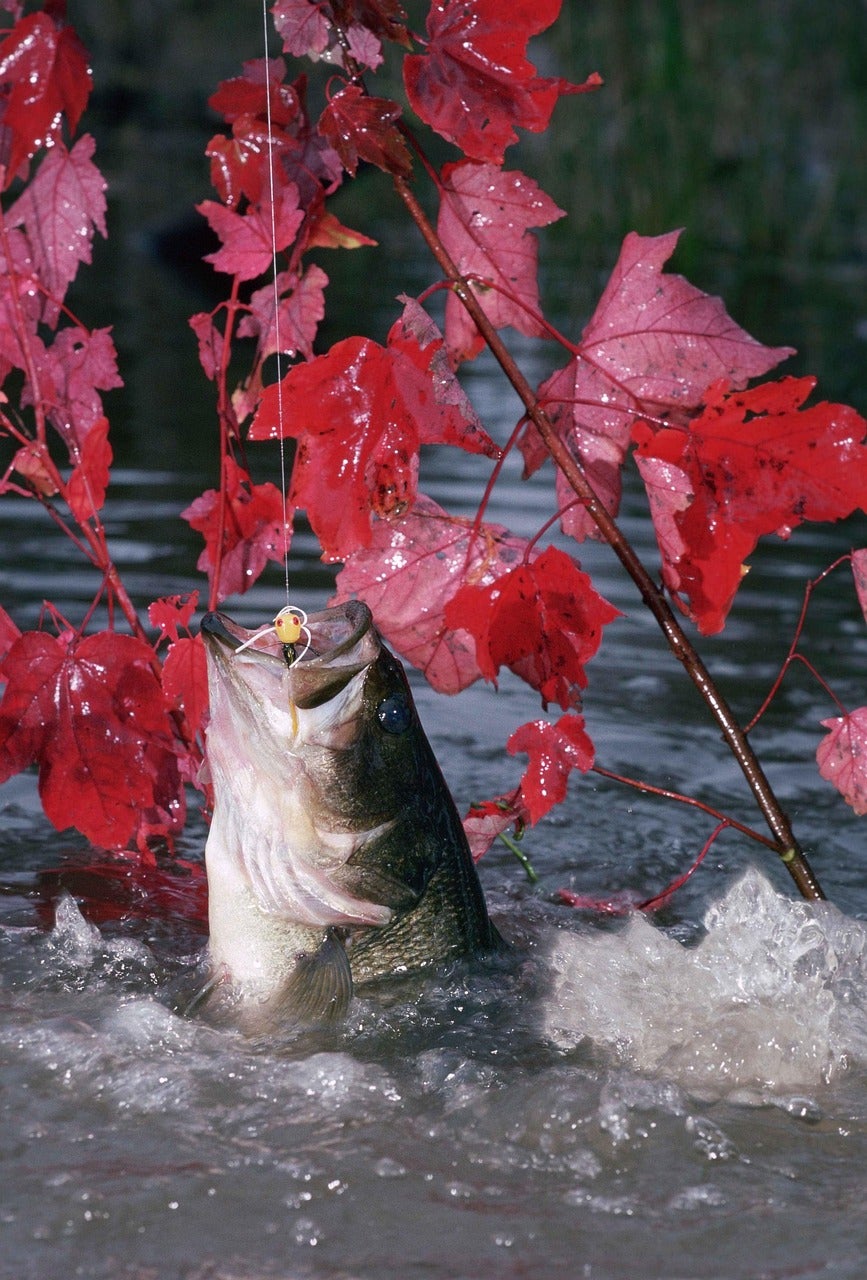
When it’s summertime and the solar shines, Largemouth Bass roam aplenty. They’re most energetic throughout the sizzling months and are simpler to hunt in southern waters. On windy days, you’re extra more likely to discover Largies beneath heavy cowl, the place currents are calmer. Since Smallies like reasonable temperatures, they’re simpler to search out in northern waters. They present the very best motion in spring, when bugs are spawning, and in autumn as the typical temperature cools off.
How to Fish Largemouth Bass
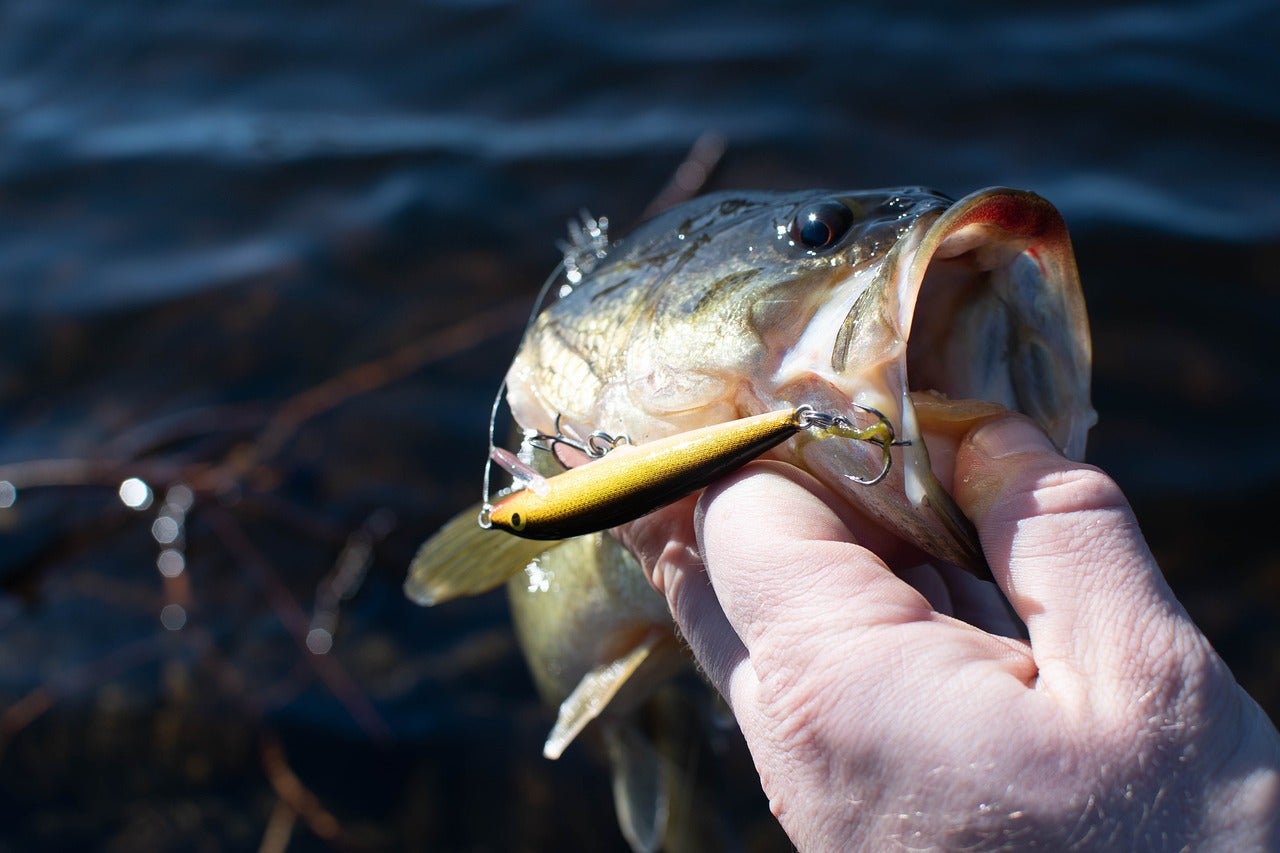
1. Crankbaits, Swimbaits, and Jigs are your pal.
Largemouth love wounded prey. The jittery, frantic motion of a jigged worm or dipping n’ diving crankbait is irresistible. When you spy a great Bass zone, forged previous it and work laterally and vertically by reeling by means of the goal space.
2. Stick to ledges, docks, rocks, and vegetation.
Shallow and soiled works greatest. Largemouth are likely to keep away from crystal clear, open water. Any location that gives hiding spots is an efficient guess. Hunting Largies from shore is each handy and productive.
3. Don’t waste your time when it’s chilly.
Largies get torpid in cooler waters, so decelerate your jig and reel if the temperatures are a bit brisk. If you’re close to the top of summer time or hitting the water in early spring, you’re going to have a tough time encouraging bites and strikes.
How to Fish Smallmouth Bass
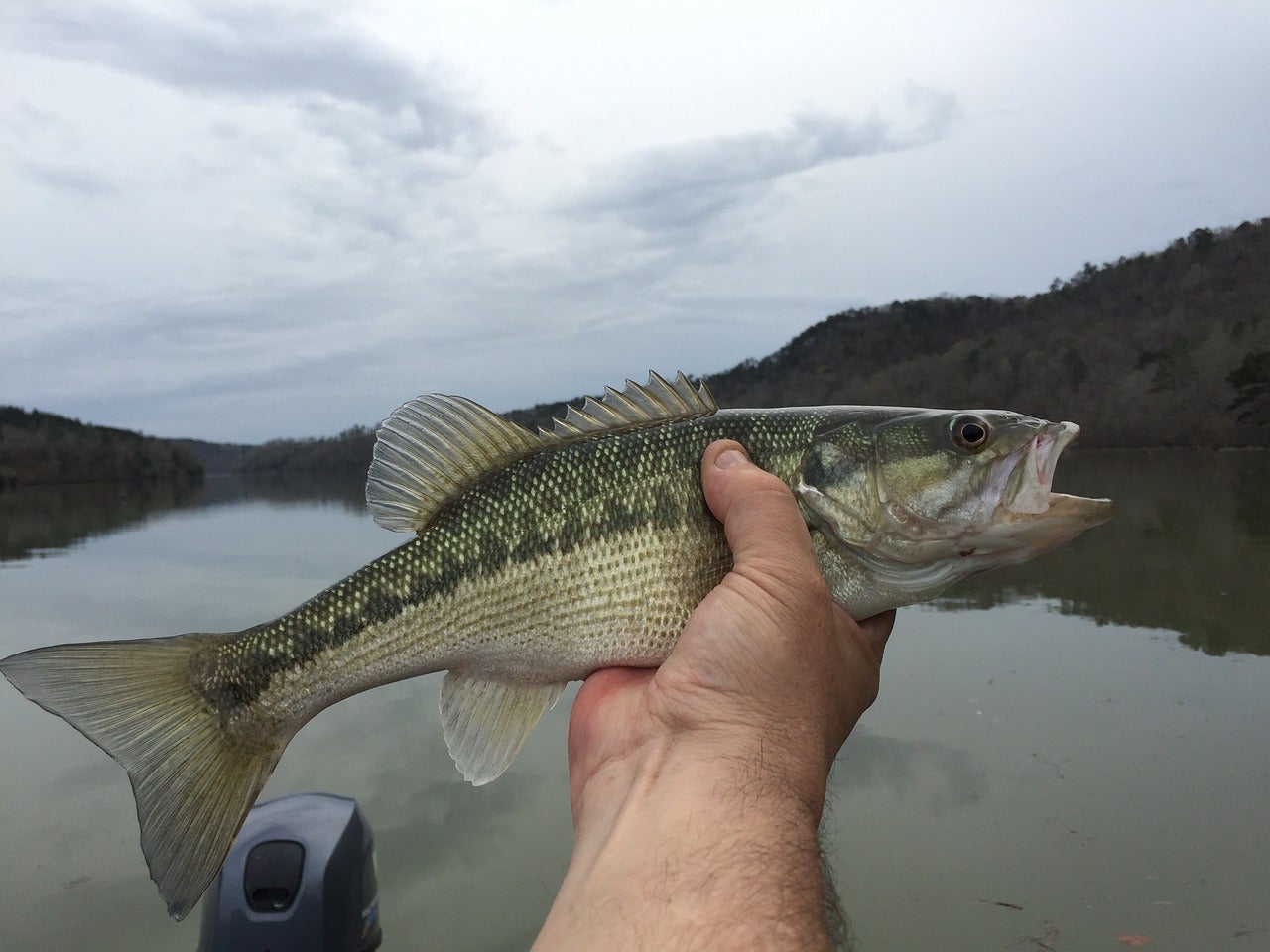
1. Use gentle line and small or topwater lures.
Smallies desire clear water, so flurocarbon goes to be your pal. You’re more likely to spook the fish with flashy mono or copolymer. Dragging a loud buzzbait or splashy spinner by means of their territory is sure to impress their curiosity.
2. Hunt from April to July (spawning season).
Just about any jig or lure will get the job finished when Smallmouth Bass are spawning. They’re wildly aggressive throughout mid to late spring, and can assault something that enters their territory.
3. Clear, rocky bottoms work greatest.
Smallmouth make residence amongst rock piles and stumps, they usually prefer to prowl alongside sandy bottoms with gentle vegetation. Smallies don’t like air pollution and murk, so keep away from turbid water.
Learn From a Pro
Bass fishing is an artwork type, which is why it’s so widespread. Check out the time we spent with Kevin VanDam, a professional Bass angler, and study some further ideas and tips to make your hunt profitable.
[ad_2]