



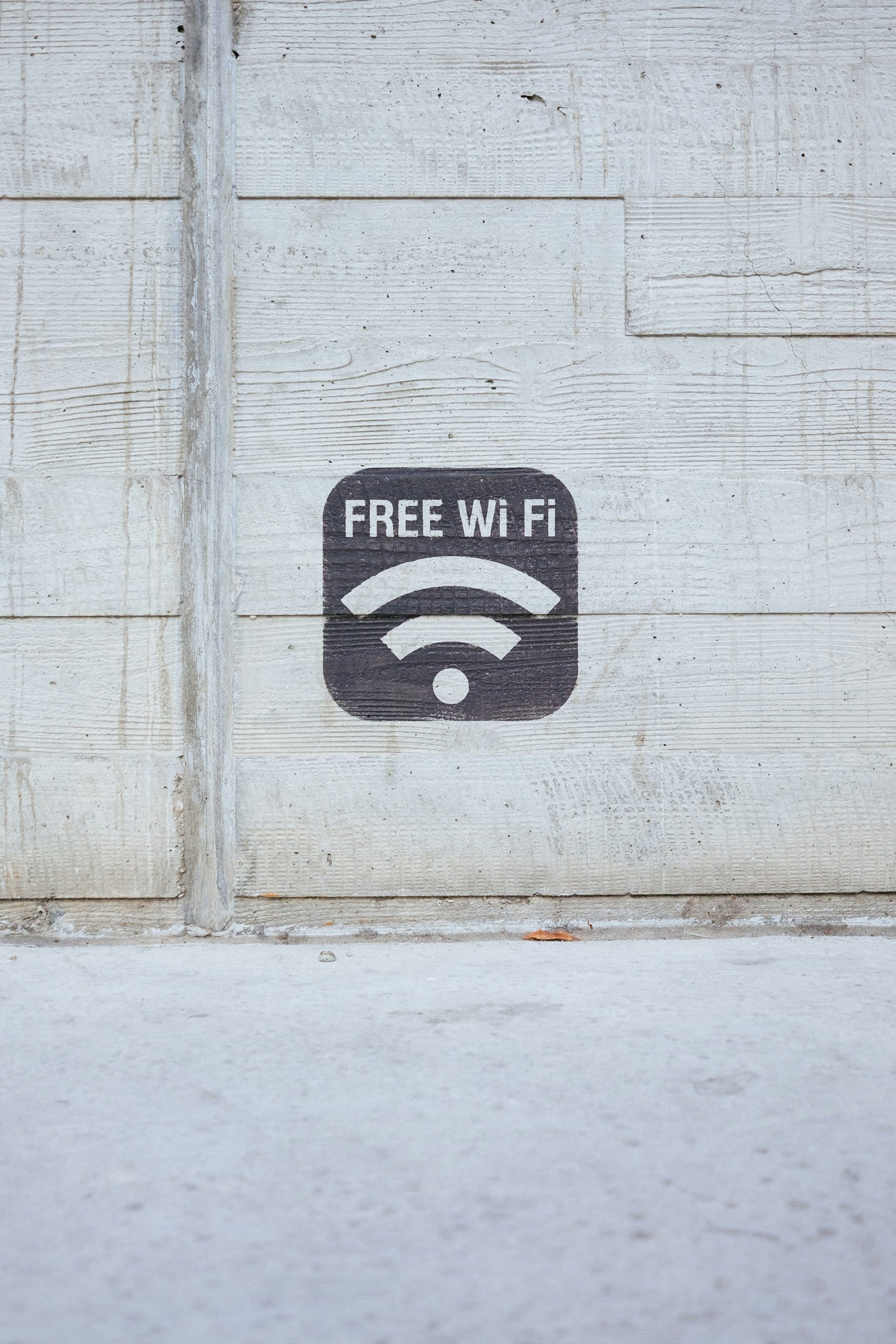
Every traveler knows the routine. You land, clear customs, find a seat at the nearest café, and connect to the first free Wi-Fi network you see. It is fast, it is free, and it is exactly the kind of habit that puts your personal data at risk.
Public Wi-Fi is one of the most overlooked safety concerns in travel. The networks at airports, hotels, hostels, and coffee shops are convenient by design, but that same openness is what makes them attractive to anyone looking to intercept your data.
Why Public Wi-Fi Is Riskier Than It Looks
When you connect to a public network, your device is sharing the same digital space as every other device on that connection. On an unsecured network, data traveling between your device and the websites you visit can be intercepted by others on the same network.
That includes login credentials, emails, and anything you type into a form. According to McAfee, a study found that 40 percent of people have had their information compromised while using public Wi-Fi.
The risk is not theoretical. It happens regularly, and travelers are among the most common targets because they are often accessing sensitive accounts, booking services, and using banking apps while on the move.
The Evil Twin Attack
One specific threat worth knowing about is the “evil twin” attack, where a bad actor sets up a fake network with a name almost identical to the legitimate one. You connect, thinking it is the airport’s official Wi-Fi, and all your traffic routes through their device first.
Simple Habits That Make a Real Difference
You do not need to be a cybersecurity expert to protect yourself while traveling. A few consistent habits will cover most of the risk.
- Avoid logging into bank accounts or making financial transactions over public Wi-Fi. If you need to do either, switch to your mobile data connection instead. It is a private network by default and significantly harder to intercept.
- Turn off automatic Wi-Fi connections on your phone and laptop. Devices that connect automatically can join networks without you realizing it, including fake ones set up nearby.
- Look for HTTPS in the URL bar before entering any personal information on a website. The S indicates the connection between your browser and that site is encrypted, which adds a layer of protection even on a shared network.
- Enable two-factor authentication on your most important accounts, especially email and banking. Even if someone captures your password, a second verification step blocks them from getting in.
Using a VPN While Traveling
A VPN, or virtual private network, encrypts your internet traffic before it leaves your device. This means that even if someone is monitoring the public network you are connected to, the data they see is unreadable.
VPN means creating an encrypted tunnel for your traffic, shielding sensitive information like passwords and financial data during transit.
For travelers who move between countries, the range of available VPN server locations also allows you to maintain a stable, secure connection from wherever you are in the world, which is particularly useful if you are working remotely or accessing services that vary by region.
Install a VPN before your trip, not after you arrive. Many travelers decide to set one up only after encountering a sketchy network, which is too late to be useful.
Hotel Wi-Fi Is Not Automatically Safer
A common assumption is that the password-protected Wi-Fi at a hotel is more secure than an open café network. The password usually just means the network requires a login, not that the traffic between devices on it is encrypted.
Dozens of guests share the same hotel network at any given time, which creates similar risks to other public connections.
The same precautions apply. Use HTTPS sites, avoid sensitive transactions, and run a VPN if you have one.
Staying Connected Without Compromising Your Security
If you are a frequent traveler or digital nomad, a local SIM card with a data plan is one of the most practical investments you can make. You get a private connection for the duration of your stay, and you reduce your dependence on public networks entirely. Many destinations offer affordable prepaid SIM options at the airport on arrival.
A portable Wi-Fi device is another option worth considering for longer trips. It creates a personal hotspot from a mobile data connection, so your devices connect privately through it rather than through a shared public network.
Follow all the best practices to stay safe and comfortable from our solo travel guide.
Wrap Up!
The goal is not to avoid all public Wi-Fi, which is unrealistic for most travelers. It is to use it with enough awareness that you are not making yourself an easy target. A few small adjustments to your habits on the road can make a significant difference to the security of your data.