



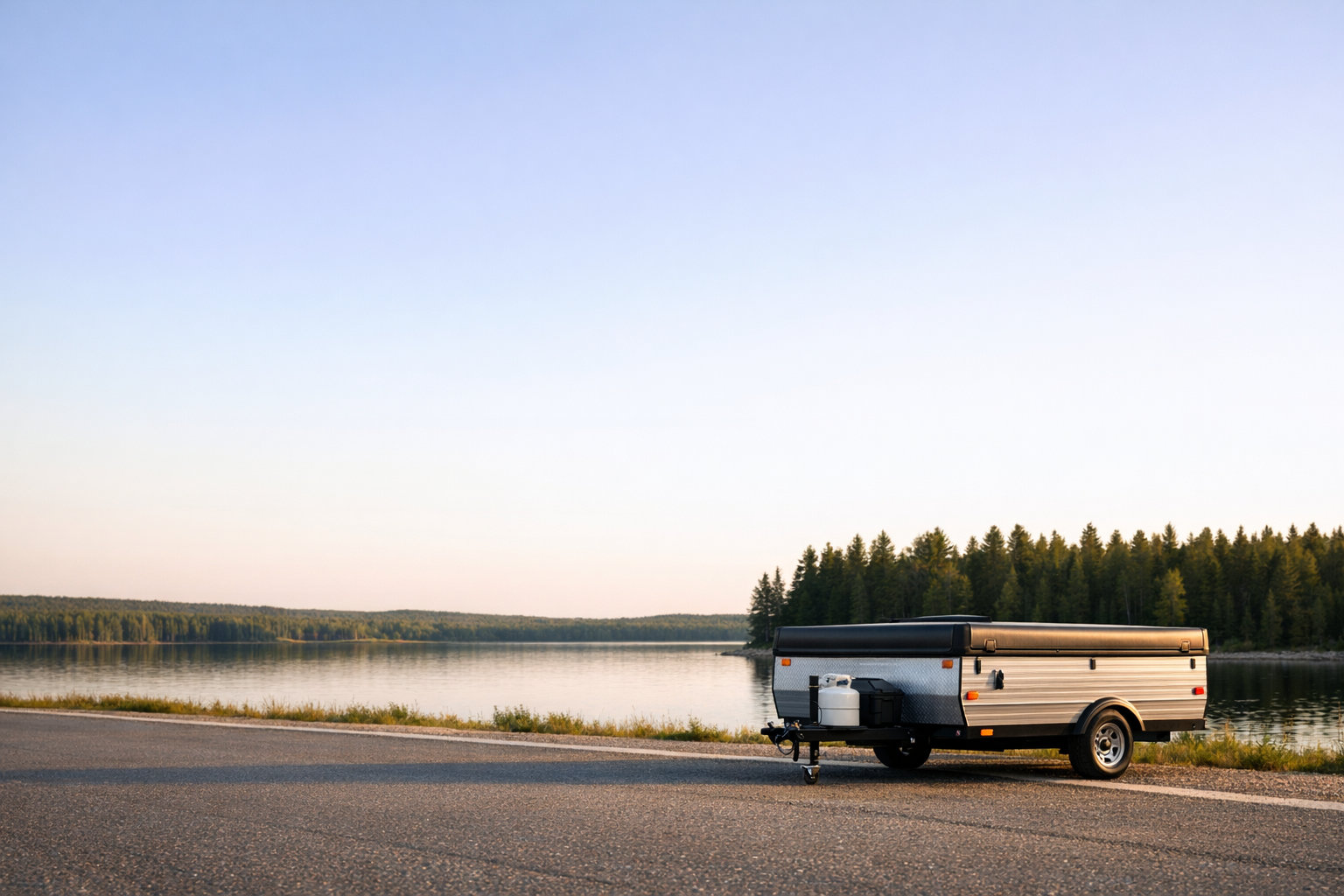
Pop-up campers have surged in popularity as travel habits shift toward flexibility and simplicity. Travelers are increasingly choosing smaller, easier-to-tow options that strike a balance between comfort and convenience. This article examines the reasons these compact campers have become a practical solution for contemporary road trips.
The rise of pop- up campers reflects changing preferences, where quicker getaways, shorter planning cycles, and diverse destination choices have become common. For example, a family using a small SUV might quickly plan a spur-of-the-moment weekend trip to a lakeside campground, taking advantage of easy setup and maneuverability. As travelers prioritize ease of storage, these campers offer a balance between amenities and footprint. Knowing their benefits and limitations can help determine if this camping style fits your travel plans.
Shifting travel habits lead to new camper trends
Current travel trends indicate a growing preference for spontaneous trips over adhering strictly to itineraries. The flexibility to depart with minimal notice makes pop-up campers appealing for those who wish to reduce planning barriers. It’s common for travelers to decide on a Friday evening to head out for a short weekend, packing just the essentials before leaving the next morning. With road travel evolving rapidly, lightweight and easy-to-tow pop-up campers have emerged as practical choices for adventurers seeking freedom without the challenges of large recreational vehicles.
Compared to traditional RVs, these campers demand less long-term commitment, financially and in terms of preparation. This lower threshold allows adventurers to easily consider shorter journeys or experiment with new locations. For instance, someone might use a pop-up camper for a spring break drive along national park routes without committing to a major investment or all-season storage costs.
Practical benefits that support modern journeys
One of the main advantages is how easy these campers are to tow and handle. Most pop-up campers can be managed by common vehicles, such as family hatchbacks or smaller SUVs. This allows more people to consider camping trips without needing to upgrade their tow vehicle. For example, navigating narrow roads or tight angles at rural sites becomes easier, especially for those less experienced with towing.
Campgrounds benefit from the smaller footprint, letting these campers fit into compact plots that might be off-limits to larger RVs. At home, the folded design means they often fit into a typical driveway or standard garage, reducing the challenge of off-season storage. Someone living in a suburban area can store their camper throughout the winter without needing to rent extra space.
Real-world comfort features and interior design options
Pop-up campers provide versatile sleeping and living arrangements, adapting to different group sizes. Interiors might include dinettes that convert into beds, fold-out foam mattresses, or hammock bunks. For instance, a solo traveler could keep the interior simple, while families might fold out both beds and make use of the dinette. This efficient use of space is valuable for quick overnight stops or several days at one location.
Kitchen areas in these campers are basic but functional, generally offering a two-burner stove, a small sink, and either a mini-fridge or icebox. On a rainy afternoon at a campsite, a traveler may appreciate having the option to cook inside. Yet, during most short trips, people often use campsite firepits or nearby diners for meals, packing only a cooler for essentials like milk and fruit. These flexible arrangements make the camper adaptable to trip length and personal routines.
Best trip types and scenarios for pop-up campers
Pop-up campers are well suited for trips through regions with numerous parks, lake access, or campgrounds that specifically accommodate compact caravans. For travelers planning routes with multiple one- or two-night stops, the quick setup and takedown can save time and effort. For example, a small group on a summer loop through forest parks can set up each evening and pack down quickly the next morning, getting back on the road with little hassle.
However, lightweight and easy-to-tow pop-up campers have some trade-offs. In prolonged rain or high winds, their canvas sides offer less insulation than hard-sided RVs, making drying routines after a wet night important to prevent dampness or mold. On trips where weather shifts quickly, some owners keep spare towels on hand for wiping down surfaces before closing up.
Maintenance, daily setup, and ownership considerations
Owning a pop-up camper involves setting up and breaking down at each stop. Erecting the roof and arranging beds typically takes ten to fifteen minutes once you have a regular routine. For example, after arriving at a lakeside campsite in light rain, owners often open all ventilated panels and lay towels to protect bedding, helpful if packing away while the canvas is damp. Ensuring everything is dry before storage aids in preventing musty smells or mildew.
Regular seasonal care should include inspecting seals, cleaning the canvas, and checking tires and brake lights before trips. An owner might dedicate a spring weekend to running through these checks in their driveway, making sure the camper is ready for the coming travel season and reducing the chance of unexpected issues on the road.
Matching camper choice to personal travel habits
If you usually travel solo or as a couple, small models can provide enough comfort for a few days exploring local parks. Those traveling with children may want tandem sleeping spaces or room to stow bikes and kayaks inside for security during transit. Compact campers allow storage of essentials while still fitting in a standard garage at home.
Practical considerations, such as how often you change locations or the type of activities you pack for, can shape which pop-up camper best suits your needs. Someone prioritizing frequent moves may choose a simpler model that can be packed up in minutes, while another traveler planning longer stays might select a layout with additional storage and indoor seating. Assessing your travel style ensures that each trip, whether a weekend away or an extended drive between national parks, remains both simple and enjoyable.