



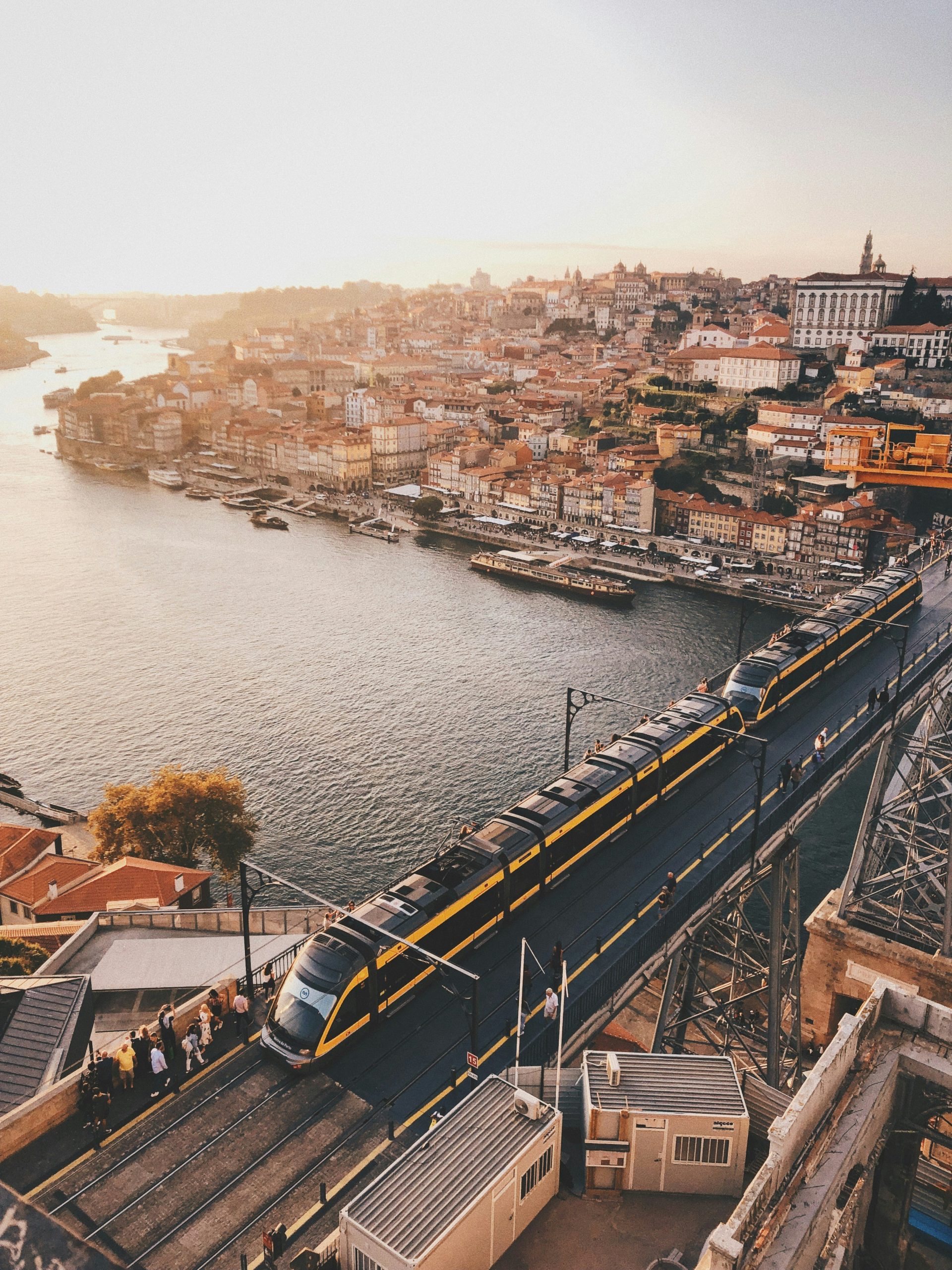
There is a distinct hum in the air, a frequency that changes with the seasons, that tells you when a place is truly alive. In Lisbon, it might be the crackle of grilled sardines during the June Festas, or the quiet, cinematic beauty of the city’s hills glistening under a winter rain. In Porto, it might be the scent of fermenting grapes rising from the Douro Valley during the September harvest. The truth is, trying to pick the single “best” season to travel is almost impossible, since it really depends on what you want from your trip. For the thoughtful traveler, the best season isn’t just a date on a calendar, but more of a mindset—a willingness to enjoy the unique personality of a city as it shifts throughout the year. If you’re considering Porto and Lisbon, the best way is to match the season to your travel style, and 2026 is shaping up to be a great opportunity.
The Golden Rule: Embrace the Shoulder Seasons
For most travelers, the sweet spot for visiting Portugal’s two largest cities lies in the shoulder seasons of spring and autumn. This is when everything seems to come together: the weather is fantastic, the crowds are smaller than in the busy summer months, and prices are more reasonable. Data from travel trend reports shows a noticeable shift toward these months, as savvy travelers steer clear of the intense heat and overtourism of July and August.
Spring (April to June): A Purple and Golden Bloom
Spring in Portugal is a visual feast. April and May are especially magical. The days are warm and sunny, with temperatures in Lisbon hovering around a comfortable 18-24°C, so you can tackle the city’s famous seven hills without breaking a sweat. In Porto, the weather is just as pleasant, though a bit cooler at 16-20°C.
The highlight of a spring visit is the jacaranda bloom. From mid-April to late May, these trees burst into a sea of lilac-purple flowers, lining streets in neighborhoods like Alfama and Príncipe Real, creating one of Europe’s most stunning urban scenes.
June marks the official start of summer, but early summer is probably the liveliest time to visit. The festival calendar is packed.
In Lisbon, the nearly month-long Festas de Lisboa celebrates St. Anthony with street parties, grilled sardines, and music. Porto explodes with energy for its own Festa de São João at the end of the month, a city-wide celebration where people hit each other on the head with plastic hammers. It’s chaotic, joyful, and truly unforgettable.
Autumn (September to October): Harvest and Golden Light
If spring is about bloom, autumn is about bounty. September is arguably the best month to visit Porto and Lisbon. The intense summer heat has faded, and the Atlantic sea keeps its warmth, making it perfect for a swim at the beaches of Cascais.
The main attraction in autumn is the grape harvest in the Douro Valley. This is one of the world’s most beautiful wine regions, and September is its peak. The hillsides turn copper-gold, tractors haul grapes, and the air is filled with the smell of fermenting must. Taking the scenic train from Porto’s Campanhã station to Pinhão is a must, and many quintas (wine estates) welcome visitors to watch or even join in the harvest. Hotel prices also drop a lot—25-35% below August levels—making it a great value.
The Quiet Beauty of Winter (November to February)
Many travelers overlook Portugal in winter, and that is their loss. While the north is wetter and cooler, the cities take on a remarkable, atmospheric quality. This is the season for travelers who want authenticity and a more intimate experience.
- Lisbon: Expect cooler days and more rain, but the lack of crowds brings a different kind of magic. Queues for the famous Pastéis de Belém are shorter, fado clubs are filled with locals instead of tourists, and the light has a clarity that’s perfect for photography.
- Porto: Porto’s granite architecture, the cobblestone streets of the Ribeira, and the azulejo tile panels of the São Bento train station all look their most dramatic against a grey winter sky. One specialist notes that the characteristic “wet cobblestone streets give the city a cinematic quality that summer does not.” This is the best time to enjoy a port wine lodge in Vila Nova de Gaia without the crowds. Hotel rates are often 40-50% lower than in August.
When to Avoid (and Embrace) the Summer (July to August)
Summer in Portugal is hot, crowded, and expensive. July and August are the peak tourist months, with accommodation prices spiking by 30% or more. The city streets, especially in Alfama and Belém, can feel claustrophobic.
However, if you are a sun-seeker and care more about beach time than exploring the cities, summer might be for you. The Algarve is at its best, and the coastal breeze keeps the temperatures more moderate than inland Spain. But for experiencing the cultural heart of Lisbon and Porto, the shoulder seasons are almost always a better choice.
Hoptraveler’s Verdict: The Time is Now
The data suggests a clear trend: travelers are moving away from the traditional summer peaks and toward more pleasant, less crowded seasons. Whether it’s the romantic “Golden Hour” proposals in September that are gaining popularity, or the desire for private, immersive experiences, the modern traveler is looking for a deeper connection with their destination.
For 2026, the best season is the one that matches your own wishes.
If you want the perfect weather and a lively city atmosphere, aim for May or September. If you’re a budget-conscious traveler hoping to avoid crowds and don’t mind a bit of rain, go for the winter months for a truly local experience.
Overall Best Recommendation: September.
The combination of harvest season in the Douro, warm Atlantic waters for coastal walks, much lower crowds than August, and still-summery temperatures makes September the prime month for experiencing the best of both Porto and Lisbon. The grapes are being pressed, the light is golden, and the journey is ready for the taking.
M THOMASO