



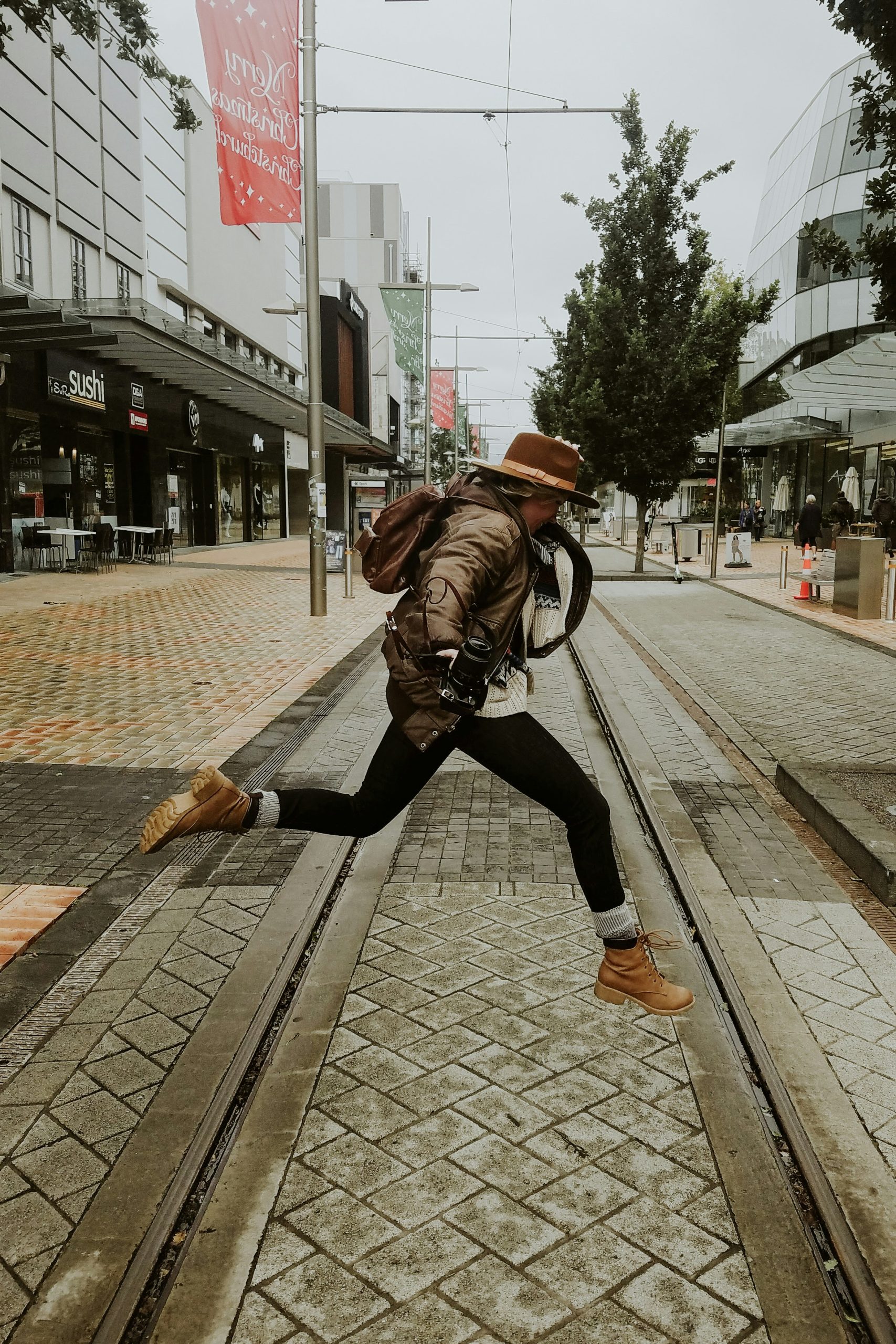
The travel landscape is undergoing a remarkable transformation, with traditional single-base vacations giving way to dynamic, multi-stop itineraries. At the heart of this shift lies “Hotel Hopping”, a trend where travelers book multiple hotels within a single trip to maximize experiences, explore diverse neighborhoods, and get more value from their journeys. As the travel industry adapts to changing consumer preferences, five distinct trends are reshaping how people plan, book, and experience their getaways.
1. The Hotel Hop Revolution: Multi-Stay Itineraries Go Mainstream
The most significant development in travel is the mainstream adoption of Hotel Hopping itself. According to comprehensive data from Hotels.com‘s Unpack ’26 report, more than half of travelers globally, 54%, have embraced booking multiple hotels within a single destination to maximize their travel experience. This trend is especially strong among younger generations, with 59% of British millennial travelers adopting this approach to make every trip count.
What makes this trend revolutionary is its break from traditional travel logic. Instead of unpacking once and settling in for an entire vacation, modern travelers are deliberately splitting their stays across two or more properties within the same destination. The main motivations are clear: exploring different neighborhoods (58%) and keeping the trip varied and exciting (52%). This reflects a fundamental change in traveler psychology. Today’s tourists reject the “single version of a city” and instead crave “contrasting neighborhoods, different design philosophies, and curated experiences all in one trip”.
The phenomenon has generated remarkable social buzz, with online conversations about Hotel Hopping surging by over 1,100%. What was once a niche practice has become a defining feature of modern travel, particularly for city breaks (53% of hotel hoppers) and island escapes (48%). The industry has taken notice, with hospitality providers adjusting their offerings and loyalty programs to accommodate guests who split their stays across multiple properties.
2. Event Hopping: Fan-Driven Travel Reshapes Itineraries
A powerful driver of the Hotel Hop trend is “Event Hopping”, the practice of planning travel around concerts, sports events, and cultural festivals. Summer 2026 has seen a dramatic rise in travelers designing entire trips around live experiences, pairing accommodations near venues with additional stays in other parts of the destination to explore more of what the city offers.
This phenomenon goes far beyond mainstream entertainment. Expedia has identified the “Fan Voyage” trend as a major travel driver, where travelers seek uniquely regional sporting experiences that offer immersive cultural connections. From sumo wrestling in Japan to Muay Thai in Thailand, and from curling in Canada to hurling in Ireland, travelers, particularly Gen Z and Millennials (68%), are seeking front-row seats to authentic local traditions.
The economic impact of event-driven travel is substantial. Trip.com Group and Google’s “Why Travel?” report reveals that two-thirds of travelers are willing to travel abroad for concerts, while “endurance tourism” has seen a fivefold increase, with runners, cyclists, and fitness competitors crossing borders to compete and connect. Major sporting events and music festivals are no longer just attractions, they’re the main catalyst for multi-city, multi-hotel itineraries that turn a simple trip into an immersive cultural journey.
3. The Bleisure Boom: Blending Business with Extended Exploration
The line between work and leisure travel has never been blurrier, and “Bleisure Hopping” represents a refined evolution of this hybrid travel style. One in four Gen Z and Millennial travelers now extends business trips with leisure stays, often booking multiple hotels during the combined journey. This trend reflects the growing flexibility of remote and hybrid work arrangements, allowing professionals to turn mandatory work travel into extended personal adventures.
Summer 2026 has seen online mentions of bleisure travel exceed 165,000, signaling its mainstream acceptance. Popular destinations for bleisure hopping include Helsinki, London, and Seoul, where travelers can easily shift from corporate meetings to leisure exploration. The pattern is clear: business travelers are adding extra days to their trips, hopping from a centrally located business hotel to a more relaxed property in another neighborhood or even a nearby resort.
This trend has major implications for the hospitality industry. Hotels are increasingly offering flexible booking options, extended checkout times, and work-friendly amenities that suit the bleisure traveler. The “mix-and-match” travel style, as industry experts describe it, is becoming mainstream as guests aim to “maximize their experience across multi-purpose itineraries”.
4. Road Tripping Reimagined: Multi-Stop Adventures Drive Demand
The classic American road trip is making a strong comeback, fueled in part by the Hotel Hop trend. Iconic routes like Route 66 (+302% online buzz), the Blue Ridge Parkway (+206%), the Great River Road (+183%), and the Pacific Coast Highway (+75%) have seen dramatic increases in traveler interest. These journeys, by their nature, require multiple overnight stays, making them ideal for Hotel Hopping itineraries.
What sets modern road tripping apart from its predecessors is the thought behind the stops. Rather than simply covering distance, today’s road trippers use multiple hotel stays to experience different sides of a region, combining urban exploration with scenic retreats. This reflects a broader move toward “slow travel” and immersive experiences, where the journey itself becomes as meaningful as the destination.
The merging of road tripping and Hotel Hopping has created a positive cycle. As travelers plan longer, more complex road trips, they naturally include multiple hotel stays. In turn, the availability of diverse accommodation options along these routes encourages travelers to extend their journeys and explore more deeply. Domestic travel has dominated summer plans in 2026, with social conversations about domestic vacations rising 77% year-over-year globally.
5. Beyond Hotel Hopping: Complementary Trends Reshaping Travel
While Hotel Hopping takes center stage, several complementary trends are reshaping the broader travel scene, creating a full transformation of how people plan and experience vacations.
Salvaged Stays represent a parallel trend where travelers seek accommodations that blend historical architecture with modern comfort. Hotels.com‘s 2026 Hotels of the Year list highlights a surge in demand for upcycled retreats, former schoolhouses, train stations, prisons, and banks turned into distinctive lodgings. Properties like Kyoto’s Hotel Seiryu Kyoto Kiyomizu (a former school, +194% search increase) and Cornwall’s Bodmin Jail Hotel (a former prison, +110%) show travelers’ appetite for unique, character-filled stays that offer both comfort and cultural relevance.
Farm Charm and Readaways reflect a broader movement toward slower, more intentional travel. Around 84% of travelers express interest in staying on or near a farm, seeking to unplug and reconnect with nature. Meanwhile, the BookTok phenomenon has driven a surge in literary-themed getaways, with 91% of travelers seeking reading-focused retreats and Vrbo’s reading-related terms in guest reviews nearly tripling.
Island Hopping has emerged as a luxury travel trend, especially in Europe where Greece, Croatia, Spain, and Italy offer sophisticated multi-island itineraries. These trips usually span 10-15 days and combine three or four islands, with premium versions including private yacht transfers and overwater villas. This mirrors the Hotel Hop philosophy of maximizing variety through movement, but applies it to island destinations where the journey between stays is part of the experience.
Set-Jetting, traveling to destinations inspired by TV shows and movies, continues to rise, projected to become an $8 billion industry in the U.S. alone. Some 53% of travelers report increased desire for set-jetting trips, with 81% of Gen Z and Millennials planning getaways based on screen inspiration. This trend encourages multi-stop itineraries as travelers visit multiple filming locations across a region.
Fan Voyages have become a distinct trend, with travelers combining vacations with unique regional sporting activities. This goes beyond attending major events to experiencing deeply local traditions, such as sumo wrestling in Japan, Muay Thai in Thailand, and traditional hurling in Ireland. These experiences often require multiple stays as travelers follow events or combine sporting experiences with broader exploration.
The Future of Hoptraveling
The Hotel Hop trend and its related phenomena represent more than a passing fad, they signal a “deeper shift in traveler behavior,” reflecting growing demand for “slow, immersive travel where the stay itself is the core experience”. Industry leaders agree this structural shift is here to stay, driven by travelers’ desire for variety and flexibility.
This evolution is supported by technological advances. AI tools are increasingly acting as travel collaborators, with 60% of travelers already using platforms like ChatGPT or Gemini for trip planning. The future promises even more seamless integration, where “inspiration → planning → booking → payment → in-trip → post-trip feedback happen through continuous context, not discrete hand-offs”. For hotel hoppers, this means smarter recommendations, easier multi-property bookings, and more personalized itineraries that maximize the value of every stay.
As the industry adapts, travelers can expect more flexible booking policies, better integration between properties, and loyalty programs that recognize the value of multi-stay itineraries. The days of the single-base vacation are numbered. Modern travelers want variety, authenticity, and the freedom to experience destinations from multiple perspectives, one hotel at a time.
by SAM OWEN