



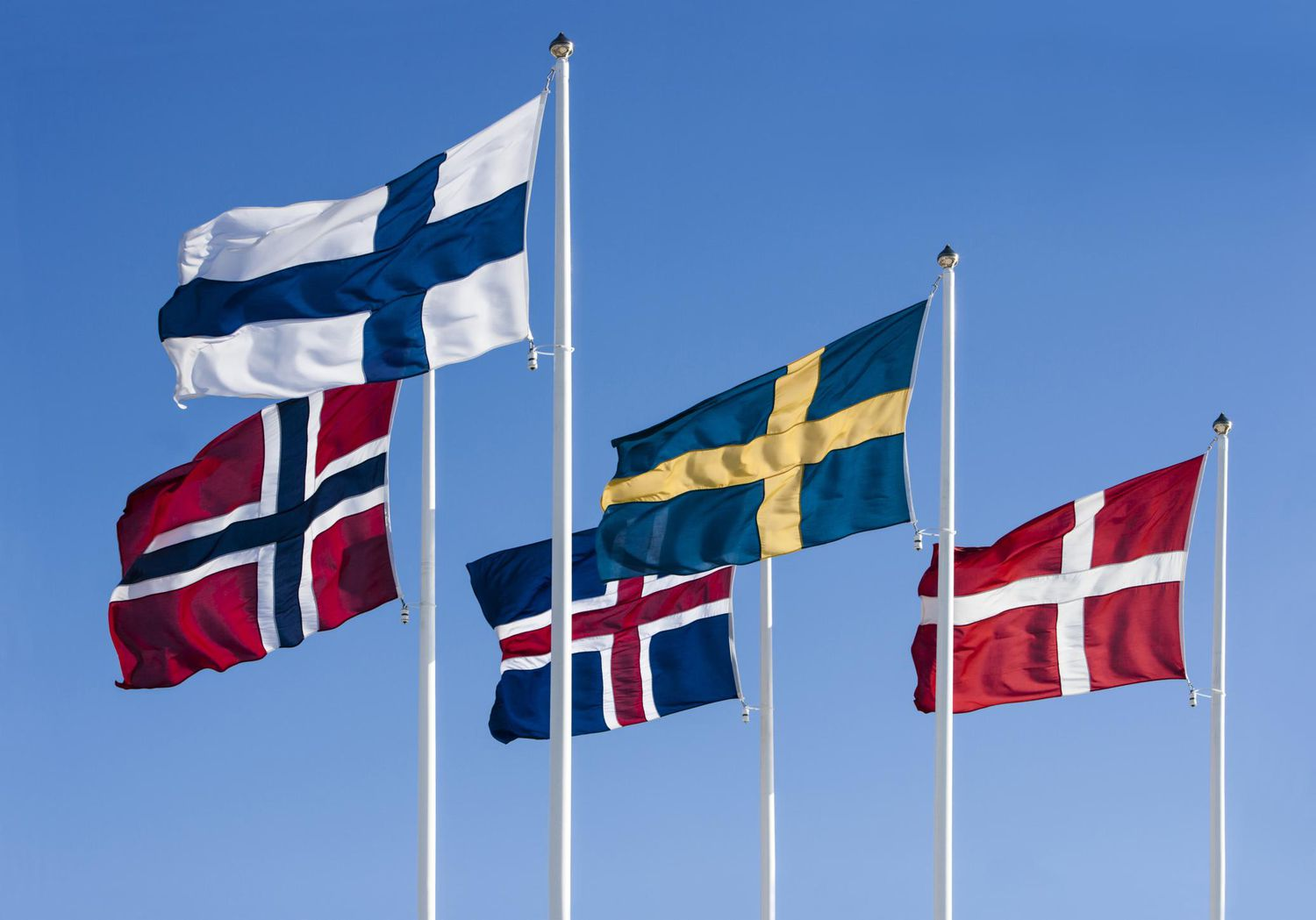
The age-old travel debate: do you go Scandinavian or go Nordic?
The answer is delightfully complicated, and for the savvy traveler, it means you don’t have to choose at all.
Here’s the quick cheat sheet: Scandinavia strictly refers to Denmark, Norway, and Sweden, countries united by a shared history and mutually intelligible languages. The Nordic umbrella is broader, including Finland, Iceland, and the autonomous territories of Greenland, the Faroe Islands, and Åland. In short, all Scandinavian countries are Nordic, but not all Nordic countries are Scandinavian.
So, “who wins” this summer? That depends entirely on whether you’re chasing midnight sun, geothermal wonders, culinary innovation, or the perfect sauna. Let’s break it down.
The Head-to-Head: Why It Matters for Your Summer Trip
Geography & Vibe
Scandinavia (Denmark, Norway, Sweden) is the classic postcard: the dramatic fjords of Norway, the design-forward cities of Copenhagen and Stockholm, and the gentle rolling landscapes of Denmark. It’s the accessible heart of Northern Europe, connected by bridges and ferries, with a strong Viking heritage.
The Nordic region adds a layer of otherworldly magic. Finland brings the concept of sisu (perseverance) and more saunas than cars. Iceland is a land of fire and ice, with volcanoes, glaciers, and black sand beaches. These are the “coolcations” everyone is talking about in 2026, offering temperatures that rarely exceed 17°C (63°F) even in August.
Summer Weather: Nature’s Air Conditioning
- Norway & Iceland: The undisputed coolness champions. Iceland’s August highs hover around 10.7°C (51°F), perfect for hiking without breaking a sweat, but pack a jacket. Norway offers fjord views with sea temperatures around 5°C (41°F) in some regions.
- Sweden, Finland & Denmark: More comfortable for those who want summer without the heatwave. Expect air temperatures in the low 70s°F (around 22°C) and water temperatures between 15-20°C (59-68°F), making beach days genuinely pleasant.
The Midnight Sun
If you travel above the Arctic Circle in Norway, Sweden, or Finland during June and July, the sun doesn’t set. This is a uniquely Nordic experience. It allows for midnight hikes, late-night golf, and an endless sense of possibility. Scandinavia without the midnight sun (southern Sweden, Denmark) offers long, bright days but with a few hours of dusk.
The Verdict on “Who Wins”?
Scandinavia wins for classic appeal and ease of travel. The Denmark-Norway-Sweden circuit is well-worn for a reason: it’s stunning, efficient, and culturally rich. The Nordic region wins for diversity and adventure. Iceland and Finland offer experiences (geothermal beaches, deep forest solitude) you simply cannot find in the traditional Scandinavian trio. Your winner is your itinerary.
Where to Travel & Live (For a Week or Two)
The Scandi Classic: Copenhagen → Stockholm → Oslo
This is the “greatest hits” tour, ideal for first-timers.
- Copenhagen, Denmark: The epitome of “hygge.” Rent a bike and explore the canals of Nyhavn, visit the Tivoli Gardens, and stay at a design-forward hotel like Hotel Pigalle for a touch of 192s Parisian glamour in the heart of the city.
- Stockholm, Sweden: Spread across 14 islands, it’s a city of waterways and cobbled alleys. Take the SkyView Stockholm for panoramic views and embrace the “Allemansrätten” (right to roam) by escaping to the nearby archipelago.
- Oslo, Norway: A gateway to the fjords. Stay at Amerikalinjen, a neo-baroque hotel with a maritime heritage. Use Oslo as a base for day trips to nearby beaches like Ingierstrand, with its functionalist 193s diving board.
The Nordic Deep Dive: Finland & Iceland
For those who want to go beyond the familiar.
- Helsinki, Finland: A design lover’s dream. The culinary scene is gaining ground fast with restaurants like Nolla, Finland’s first zero-waste restaurant. For a beach day, head to Yyteri Beach near Pori, Finland’s first Blue Flag beach, with shallow waters ideal for swimming.
- Reykjavík, Iceland: The base for exploring otherworldly landscapes. Visit the Nauthólsvík Geothermal Beach, where you can alternate between a cold dip in the Atlantic and a soak in a geothermal hot tub (35-38°C / 95-100°F). The city is a Michelin-starred dining destination, with restaurants like ÓX offering foraged and preserved ingredients.
The Food Battle: New Nordic vs. Traditional Roots
Scandinavian Cuisine (Denmark, Norway, Sweden)
This is where the “New Nordic” movement was born. It’s refined, hyper-seasonal, and often Michelin-starred.
- Denmark: The undisputed heavyweight. MOTA (One Michelin Star) in Odsherred serves dishes on ceramics made by local artisans. Even outside Copenhagen, the farm-to-table scene is world-class.
- Norway: Seafood is king. From the casual bacalao at Haukland Beach in the Lofoten Islands to the storytelling dishes at two-Michelin-starred Kontrast in Oslo, Norwegian cuisine is pushing boundaries.
Nordic Cuisine (Finland & Iceland)
This is heartier, more influenced by nature’s extremes, and in Finland’s case, a fascinating fusion of Eastern and Western influences.
- Finland: Think simpler, more rustic dishes. Expect freshwater fish, reindeer meat (poronkäristys), rye bread, and the iconic Karelian pies (Karjalanpiirakka). The philosophy of sisu permeates the food, it’s about sustenance and simplicity.
- Iceland: Lamb and seafood dominate, with a heavy focus on preservation techniques (smoking, curing, fermenting) born from necessity. The geothermal energy even powers greenhouses that grow tomatoes and cucumbers, fresh produce in a volcanic landscape.
The Winner? Scandinavia for fine dining, Nordic for soul food.
The Holy War: The Sauna (Finnish vs. Swedish)
No guide is complete without this. The sauna is non-negotiable in both Sweden and Finland, but the culture around it is starkly different.
- Finnish Sauna: It’s sacred. It’s not a luxury; it’s a necessity. In Finland, there are more saunas than cars. The tradition is ancient, women have given birth, the dead have been washed, and illnesses have been treated here. The Finnish approach is about mental and physical purification.
- The Rules: You do not eat or drink alcohol in the sauna. It’s a place of calm and reflection. The ideal temperature is around 65°C (149°F). And of course, you must tie a vihta (a birch whisk) to gently beat yourself to improve circulation.
- Swedish Sauna: More social and often seen as a wellness add-on. It’s common to combine it with a cold plunge or a dip in the sea.
- The Vibe: Swedes might be more relaxed about bringing a beer into the sauna (a cultural difference Finns find horrifying). It’s often a more casual, communal activity.
The Winner? Finland, hands down. It’s not just a tradition; it’s a way of life. In Finland, the sauna is democracy. Everyone is equal in the sauna, and it’s where the nation’s most important decisions are rumored to be made.
The Verdict: Your 2026 Summer Itinerary
So, Scandinavian vs. Nordic—who wins? You do.
- Choose Scandinavia (Denmark, Norway, Sweden) if: You want a refined, classic European trip with world-class design, Michelin-starred dining, and accessible fjords. It’s the perfect balance of city sophistication and raw nature.
- Go Nordic (Add Finland & Iceland) if: You crave the extraordinary. You want to bathe in a geothermal beach in Iceland, feel the spiritual weight of a Finnish sauna, and witness the midnight sun in a way that truly feels like the top of the world.
For 2026, the smart travel move is to create a hybrid. Fly into Copenhagen, take the overnight cruise to Oslo, train through Sweden to Finland, and fly to Iceland for the finale. You’ll experience the best of both worlds, the classic Scandinavian elegance and the untamed, adventurous Nordic soul.
BY KATE LEE