



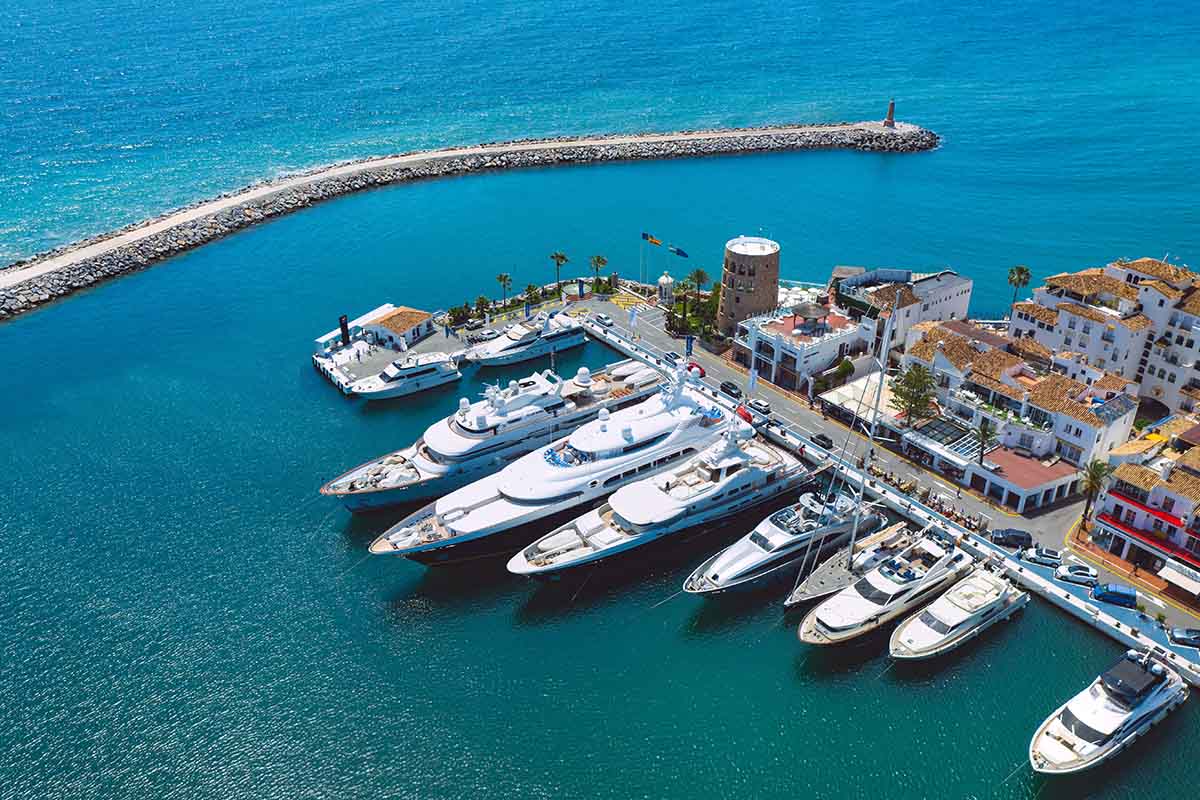
For Americans, the image of Spain usually includes its two largest and most famous cities — Barcelona with its Gaudí architecture and Madrid with its museums. Of course, these cities are amazing, but there’s so much more to discover about the country. To know the true spirit of Spain, its light, and cultural richness, one should visit Andalusia — the sunniest region of the peninsula.
Andalusia will offer you the chance to see something different in the country. The region’s history, UNESCO World Heritage Sites, and traditions will give you the full view of the area. You’ll be surrounded by Moorish palaces, Flamenco dancing, and the coasts of the Atlantic and Mediterranean seas. This is Spain of traditional cuisine, stunning landscapes, and the best local traditions. More and more travelers prefer exploring places of this kind rather than visiting crowded capitals.
Travel specialists of Andalucía Exclusiva, the specialized brand of Mandala Tours that provides tourists with high-quality private travel experiences throughout Andalusia, state that the trend of searching for more authentic experiences and personalized itineraries is rising among foreign travelers. The company helps travelers discover the region via authentic cultural, historical, gastronomic and experiential journeys.
A Mosaic of History and Architecture
If you want to learn about the history of Al-Andalus — the Islamic civilization that developed in this part of Spain for almost eight centuries, you should definitely come to Andalusia. There you can find the three most impressive cities of this era — Granada, Seville, and Córdoba.
Granada and its unique landmark — the Alhambra. The palace-city is the gem of the Nasrid art and “a language of stones, water, and light”. It’s very important to arrange a private guided tour to understand all its symbolism and details of gardens and palaces. There are many other historical objects to explore in Granada: below the Alhambra is a historic neighborhood of the medieval Moorish quarter called Albaicín, and the Sacromonte is known because of the caves and flamenco roots. Andalusians used to say: “No hay dos sin tres” — it means that nothing happens alone, and in the case of Granada, it means that there are three unforgettable experiences to discover.
One of the things to mention here is Generalife — the summer palace and gardens. The sound of water is not the decoration here — it’s a necessary architectural element which cools the air. I remember that once in the garden, I sat on a stone bench and watched the sunshine through the cypress. It looked like a poem in irrigation channels and rose petals. Then an elderly Spanish man sat next to me and started to talk about the history of the water engineering of the Islamic civilization in rapid-fire Spanish. I just nodded my head because of my clear panic. And then, I just smiled and said “muy interesante,” and he gently patted my knee. I still don’t know what he said, but I somehow felt enlightened.
The next object in the list is Seville with its capital — the city that has the triad of UNESCO sites: Alcázar, Cathedral, and Archivo de Indias. The first object is the oldest European royal palace still in use. The cathedral — the largest Gothic building in Europe is the house of the tomb of Christopher Columbus, and its bell tower — the Giralda — was built first as a minaret. While walking through Alcázar’s gardens, I recalled the proverb “Más vale pájaro en mano que ciento volando” (it means “better a bird in hand than a hundred flying”) — it perfectly describes the beauty that you should appreciate right now. Although I chased a peacock in these gardens, trying to follow him to some hidden courtyard. He didn’t take me there — he was just a peacock with some illusions of grandeur.
In Córdoba, there is a monument that perfectly describes the city — the Mosque-Cathedral. Its impressive hall of 850 double-arched columns in red and white stripes is a unique architectural marvel. Nearby are the Jewish Quarter and the ruins of the Caliphate city of Medina Azahara. But my impression about Córdoba was based on something else — its patios. Each May, there is the Festival de los Patios in Córdoba — the time when people open their front doors to show the courtyards full of geraniums and vines. Once I entered the patio by mistake, being sure that it was an “Open to Public” sign. It wasn’t. It was “Open to Public” in my imagination. The owner of this patio gave me a glass of manzanilla and told me to sit down. And that, dear readers, is how you make friends in Andalusia.
Other Destinations Beyond the Big Cities
Although there are so many impressive objects in Andalusia’s cities, the true spirit of the area can be revealed outside the big cities. Many cities of Andalusia are famous for the white villages that are clinging to the hillsides. One of the most spectacular is Ronda with its gorge and one of the oldest Spanish bullrings. And also the cities like Vejer de la Frontera with its Moroccan charm and the silent places of the Sierra de Grazalema can be your favorite place of retreat. And the specialists of Andalucía Exclusiva agree that there are many surprising things travelers discover in Andalusia.
To be perfectly honest with you, I’ve traveled along some extremely narrow lanes of charming Europe and apologized to my rental car for that. However, the experience of going down those winding roads with the white villages, with their hairpin curves and sudden breathtaking views, is absolutely worth it. Well, at least, in one case, the joy of this experience was mixed with pure terror when I found myself backing down a mountain road because I had miscalculated the width of my rental car by three inches. A shepherd with his flock of goats looked on at this event with such disappointment. I gave him a helpless shrug. Of course, he did not wave back. He just turned and walked away, probably to go and tell his goat mates about the foreign idiot who could not drive a car properly. “No hay mal que por bien no venga,” people say in Spain—that is, everything happens for a good reason, and in this case, my reward was a plate of jamón ibérico and a glass of cold manzanilla.
Well, now comes the part where I have to admit something slightly humiliating about myself—I am extremely good at getting lost in a strange city. With its maze-like medieval streets, Andalusia certainly was my most delightful misfortune ever. Once, I spent the whole afternoon in Vejer de la Frontera absolutely sure that I went in a straight line, only to realize that I had passed the same flower-decorated fountain three times already. On my fourth pass, the elderly gentleman who sat by this fountain—the same gentleman I saw on my first pass—invited me to sit and gave me a glass of water. He did not speak English. I did not speak Spanish. So we just sat in comfortable silence for twenty minutes, and it was the most peaceful moment for me in weeks. Getting lost in Andalusia is not a failure—it is an invitation. Every wrong turn gives you an opportunity to see some unexpected corner or courtyard, enjoy the view of the Atlantic Ocean or make a new friend who will silently judge you for your poor driving skills.
A Culinary and Cultural Journey
The cuisine of Andalusia is an integral element of the region’s culture and is based on the trio of olive oil, Iberian ham, and fresh seafood. This region was the birthplace of tapas and the best way of experiencing this tradition is to hop from one local bar to another. Sizzling chorizo croquettes and patatas bravas, the freshest boquerones, as well as complex stews of spinach and chickpeas—everything is full of taste, closely associated with the land. Here, the food is not just food; it is conversation, celebration and often argument about which bar serves the best gambas al ajillo.
Now, although I think of myself as an adventurous eater, I must say that I approached my first taste of Iberian ham with a sort of nervous excitement. One bite, and I was absolutely won over by this deliciousness with its nutty, savoury richness which I never knew existed outside Spain. I asked the maestro carver a lot of questions regarding the diet of these acorn-fed pigs and the ham curing process. He answered my questions patiently, probably because he had a lot of experience with such curious tourists. Moreover, with his discreet smile, he subtly showed me the door after my tenth question about the pig diet. Now, I understand that I am perhaps too enthusiastic when I am happy about something.
Jerez de la Frontera is the heart of the sherry wine country. You have to make time to visit some of its historical bodegas. When I sat in a dark and dimly-lit bodega tasting a pale fino which was aged for over a decade, I understood that this is not just a drink; it is a living document, a chronicle of the seasons and hands which tended it. I also understood that I accidentally took three glasses of this fino on an empty stomach and suddenly I had the most complicated relationship with one grape. My guide kindly suggested me to continue tasting with the manzanilla with seafood. I agreed, mainly because I wanted to eat something before crying about the grape’s life story.
Andalucía Exclusiva shows that nowadays private guided experiences with customized itineraries become more and more demanded by travelers. Using exceptional guides and premium logistics, every element of the trip, from a private flamenco performance in a peña to an exclusive cooking class is provided in discretion. And, honestly, after all of my misadventures with rentals and directions, I can’t recommend this service enough. Someone should take care of the logistics, while you should worry only about your hunger.
In the modern world, when the majority of travelers seek refuge from overcrowded capitals, Andalusia is a perfect choice to slow down and to let yourself be carried away by its light and stories. As the Andalusians say, “Vivir es lo que importa”—living is what matters. And here, in this corner of Spain, living is done with extraordinary grace, excellent food and a friendly goat shepherd who will absolutely judge you for your parallel parking.
By ELENA MAKREE