



The global tourism industry is experiencing a period of unprecedented growth. More than 1.5 billion international tourists travelled abroad in 2025, setting the stage for a record-breaking 2026, with international arrivals growing by 4% globally. While this resurgence shows a healthy industry, it also puts a familiar problem in sharp focus: overtourism. The world’s most iconic cities, from Paris to Tokyo, are buckling under the weight of their own popularity, with the concentration of global demand for travel becoming increasingly polarised in just a few key destinations.
This phenomenon has a tangible impact. A notable 32% of travelers now say that overcrowding has negatively affected the quality of their holidays, and this is a sentiment that is growing, with 37% of Gen X travelers feeling the same way. As a result, a clear shift in traveler behaviour is underway, making us rethink where and when we travel. The future of a more sustainable and rewarding tourism experience lies not in the world’s crowded capitals, but in the quiet charm of small cities and the serene beauty of off-season travel.
The Overtourism Conundrum
The problem of overtourism is not a new one, but it is intensifying. The “overtourism trap” describes how highly popular destinations, often UNESCO World Heritage sites, are struggling to manage an influx of visitors that goes beyond their social and environmental carrying capacity. These cities are becoming “victims of their own success,” as the very qualities that make them attractive are eroded by the sheer volume of people.
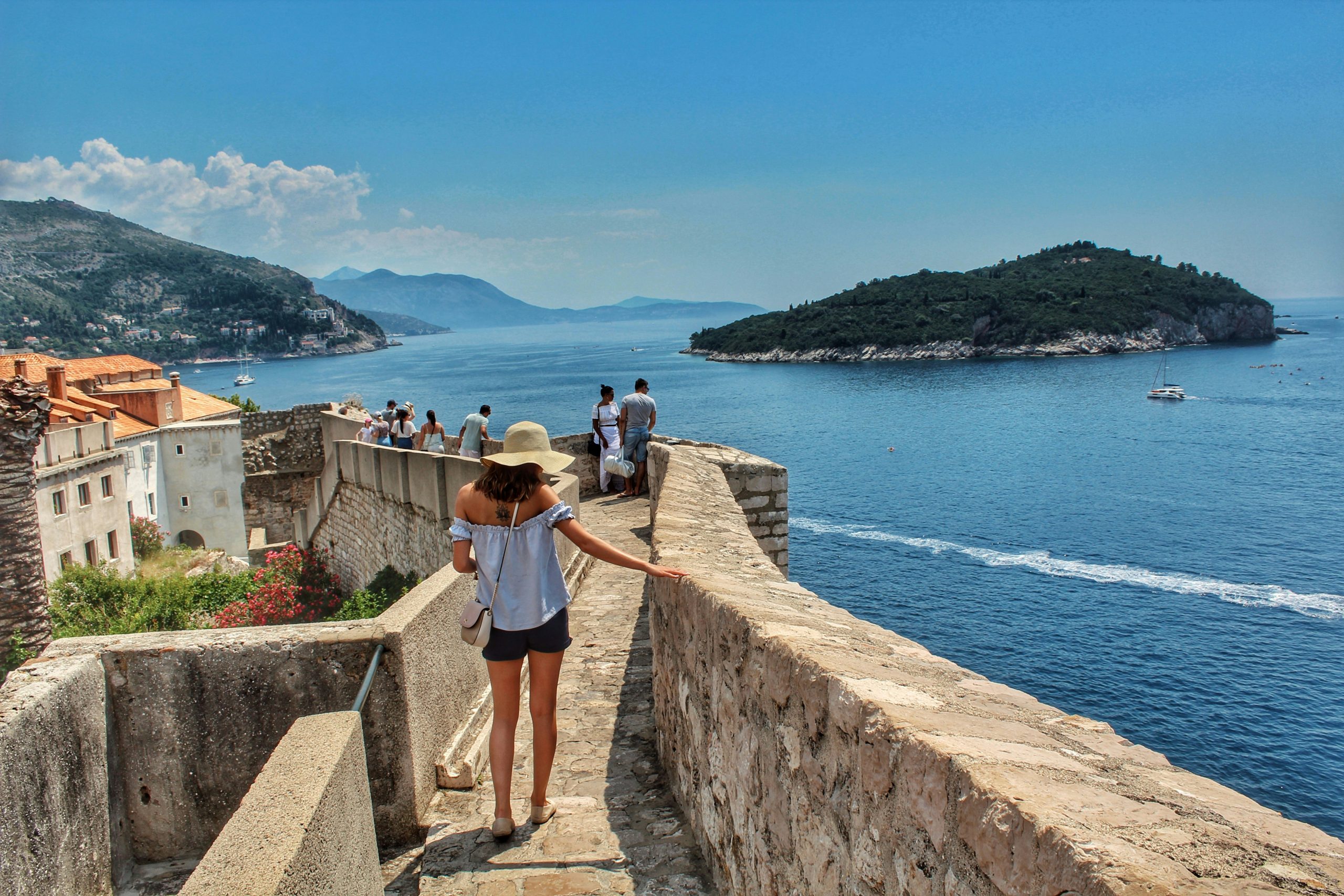
The consequences are far-reaching. For residents of cities like Dubrovnik, Croatia, which recorded over 1.39 million arrivals in 2024 with a resident population of just over 41,500, the steady flow of tourists places heavy pressure on infrastructure, housing, and their quality of life. Local businesses catering to tourists drive up prices for everyday goods, and the city’s character can feel lost in a sea of souvenir shops and tour groups.
For travelers, the experience is equally diminished. Instead of genuine moments of discovery, they are met with long queues, crowded attractions, and a sense that the soul of the place has been commercialised. This has led to a growing movement where people are looking for alternatives. The desire for a more meaningful connection is prompting a move away from the “greatest hits” approach to travel.
The Rise of the Small City
The antidote to the mega-city crush is increasingly found in smaller, often overlooked urban centres. While large cities dominate the headlines for tourist arrivals, a quieter revolution is taking place. Small and medium-sized cities are discovering the real potential of their unique offerings as a tool for supporting tourism and contributing to more balanced and inclusive urban development.
These destinations, often termed “second cities,” offer a more authentic and immersive experience. They often possess a rich cultural heritage, a vibrant local scene, and a slower pace of life that is more appealing to travellers suffering from “modern travel fatigue”. The town of Fenglin in Taiwan, for instance, has embraced its reputation as a place where “life moves slowly,” even hosting snail races to celebrate its “Cittaslow” ethos, attracting visitors seeking a reprieve from the hustle of city life.
Industry experts are also recognising this potential. Travel advisors are now urged to “think about offseason and winter travel and off-the-beaten-path destinations”. The message is simple: for every Paris, there is a Bordeaux; for every Rome, a Puglia. These smaller cities often provide the same historical and cultural richness without the overwhelming crowds, allowing travellers to engage more deeply with local communities and traditions.
This trend is reflected in emerging travel patterns. Skyscanner’s data shows that 34% of travellers now plan to actively seek out quieter destinations, a strong sign that this is not a minor interest but a broader shift in mindset.
The Merits of an Off-Season Adventure
Beyond choosing a different city, reconsidering the time of year for a trip offers another powerful tool to beat the crowds. The conventional travel season (summer in Europe, peak winter holidays in the Caribbean) is precisely when destinations are busiest. Going against the grain is one of the most effective ways to reclaim the magic of travel.
Crowd-Free Experiences
Travelling in the off-season offers a host of benefits, the most immediate being the drastic reduction in crowds. Picture visiting the Golden Temple in Kyoto with few other people around, or walking the ancient Via Appia in Rome with only your guide and a passing shepherd. These are the moments of connection and discovery that are nearly impossible during peak season.
This shift is already visible in traveller data. It is clear that 31% of travellers intend to continue visiting popular destinations, but especially during shoulder seasons when crowds are lighter. This desire for a quieter experience is even more pronounced among certain demographics, with 37% of Baby Boomers and 40% of travellers in Singapore and South Korea planning to do so. Search and demand data shows a slight movement away from the peak month of August in many regions, with October becoming more popular in the Asia-Pacific region.
Better Value and Local Culture
Off-season travel is also a sounder financial choice. Flights and accommodation are typically cheaper, and you are less likely to be subject to “peak season” surcharges. Beyond the financial savings, visiting a destination in its quieter months can provide a more personal and authentic view of local life. You are more likely to find yourself in establishments frequented by locals, with lower prices and a more real atmosphere.
This approach is also central to regenerative tourism. Spreading tourism demand across the calendar supports the local economy throughout the year, helping businesses survive the slower months and reducing the pressure of a short, intense tourist season. In Greece, for example, the travel season that “used to close in early October, but now it runs until December,” providing a longer window for travellers and businesses alike.
Charting a New Path Forward
The choice is becoming clearer for the modern traveler. We can either contribute to the problem, competing for a view of a landmark alongside a thousand other people, or we can be part of the solution. By looking beyond the world’s most promoted destinations and reconsidering when we travel, we can experience more authentic, rewarding, and sustainable journeys.
This shift is already happening. Data shows 26% of travellers will choose less touristy destinations to save money, and 34% are deliberately seeking quieter destinations. By embracing small cities and off-season travel, we not only improve our own holiday experiences but also support destinations that manage tourism responsibly, preserving their culture and character for the future. The future of travel is not about seeing everything, but about seeing more of what matters.
ERIC HOMPE